Scoring genre clarity...

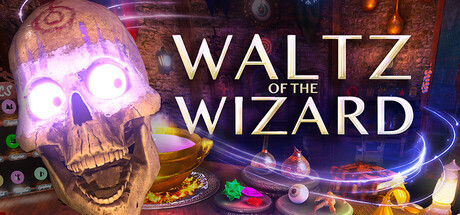
Waltz of the Wizard capsule

Waltz of the Wizard

Waltz of the Wizard is a wizard simulator where you find yourself in a fantastical realm filled with spells, secrets and some pretty strange characters.

$14.99Very Positive(12)
SimulationMagicVR
Aldin DynamicsJul 10, 2019

Waltz of the Wizard scores 77/100 — better than 71% of Simulation capsules (n=5,328).

Very Positive (12 reviews) · $14.99 · Released Jul 10, 2019 · By Aldin Dynamics

Quick text summary

Waltz of the Wizard scored 77/100 on Steam Analyzer — Good for a Simulation capsule. Top priority fix: [uniqueness_polish] Introduce a distinctive visual hook—such as a signature character, unique spell effect style, or symbolic UI element—that differentiates Waltz of the Wizard from generic wizard simulators in the genre.

Capsule scores by dimension

  • Genre Clarity: 8/10 — Strong wizard fantasy RPG signal. The glowing skull with magical aura, vibrant spell effects (purple, blue, green orbs), and arcane environment clearly communicate a magic-focused fantasy game. At tiny size, the luminous skull and swirling magical particles remain the dominant read, instantly suggesting wizard/magic gameplay over other action genres. The overall aesthetic distinctly implies spell-casting simulation rather than combat-focused action.
  • Title Readability: 9/10 — Excellent contrast and legibility. Clean white sans-serif typography with strong outline rendering sits confidently in the upper-right quadrant against the darker background. The title remains crisp and fully readable at all sizes including tiny, with strategic placement away from the busy left-side skull element. Letter spacing and weight maintain integrity even under squint test and grayscale conversion.
  • Contrast & Color: 8/10 — Vibrant magical palette pops well. Bright purples, blues, and greens of the magical effects create excellent value separation against the dark background, with the glowing skull providing a warm focal anchor. The luminous aura around the skull reads clearly even at tiny size due to high saturation and edge definition. In grayscale, the skull silhouette and spell effects maintain clear separation through brightness variation.
  • Uniqueness & Polish: 7/10 — Polished magical presentation. The glowing skull with active spell effects shows intentional craft and premium rendering of a wizard fantasy aesthetic. However, the composition leans on familiar magical tropes (glowing skull, swirling spells, arcane workshop) that, while well-executed, don't establish a unique mechanical hook or distinctive visual identity beyond generic wizard fantasy. The polish is solid but the core concept reads as archetypal rather than standout.
  • Brand Consistency: 6/10 — Wizard theme consistent, no icon. The capsule maintains cohesive wizard fantasy branding through consistent use of magical particle effects, skull iconography, and purple-blue color palette that likely carries through promotional materials. However, there is no memorable character, logo, or signature motif that creates immediate brand recognition distinct from other wizard simulators. The presentation feels thematically locked in but lacks a distinctive identity cue that would make this capsule recognizable on repeat viewing.
  • Composition: 8/10 — Strong focal hierarchy with balance. The skull sits naturally in the left-center foreground as the primary focus, while the title anchors the upper-right to balance the composition without competing for attention. Supporting magical particles and workshop elements in the background create depth layering that frames the skull effectively. At small and tiny sizes, the skull remains the clear subject and the white title text maintains its hierarchy, with no critical elements cropped at edge margins.

What works

  • White title legibility. Clean, high-contrast white typography maintains full readability across all viewing sizes with excellent outline definition.
  • Magical visual clarity. Glowing effects and vibrant spell colors create strong silhouette separation that reads instantly at tiny size without visual confusion.
  • Balanced focal composition. Primary skull subject and secondary title placement create natural eye flow without competing elements or dead space.

What hurts the capsule

  • Generic wizard archetype. Glowing skull and swirling spells are familiar wizard simulator tropes that don't distinguish this game's unique mechanics or setting from competitors.
  • No distinctive brand anchor. Lacks a signature character, logo symbol, or memorable visual motif that would make the capsule instantly recognizable on repeated exposure.
  • Cluttered background elements. Workshop details and scattered particle effects in the background compete visually and dilute focus away from the core subject at small sizes.

Priority fixes

  1. [uniqueness_polish] Introduce a distinctive visual hook—such as a signature character, unique spell effect style, or symbolic UI element—that differentiates Waltz of the Wizard from generic wizard simulators in the genre.
  2. [brand_consistency] Develop and feature a recognizable brand motif (character silhouette, logo, or palette signature) that can be leveraged across other marketing materials for consistent recall.
  3. [composition] Reduce background clutter by simplifying or darkening secondary workshop elements to strengthen the skull as the singular, undistracted focal point at all sizes.

Store copy priority fixes

  1. [hook_strength] Rewrite the short description to lead with Skully's uniqueness: 'Waltz of the Wizard is a voice-controlled wizard sandbox where an AI companion responds to your every gesture and whim with thousands of darkly comedic, unpredictable reactions.'
  2. [audience_targeting] Add explicit audience signals after the first paragraph, such as: 'Perfect for experimental VR players who value emergent comedy and systems-driven play over linear narratives' or clarify solo vs. co-op in the main copy.
  3. [feature_communication] Restructure the magic abilities section with a clearer sentence like 'Master dozens of spells—summon fireballs, rewind time, transmute objects, and manipulate the environment—then watch Skully react in hilariously unexpected ways' to tighten the core loop.
  4. [genre_clarity] Explicitly mention 'sandbox VR simulator' in the opening or early section to remove any ambiguity about whether this is narrative-driven, combat-focused, or open-ended exploration.

Related guides

Steam app ID: 1094390 · Tags: Simulation, Magic, VR, Action, Combat