Puzzle - LINES AND KNOTS 3 scores 60/100 — better than 0% of Casual capsules (n=10,153).

Quick text summary

Puzzle - LINES AND KNOTS 3 scored 60/100 on Steam Analyzer — Solid for a Casual capsule. Top priority fix: [uniqueness_polish] Add a distinctive visual hook such as a character, signature motif, or stylized knot pattern that signals this game's unique meditation/relaxation angle and differentiates it from generic tile puzzles.

Capsule scores by dimension

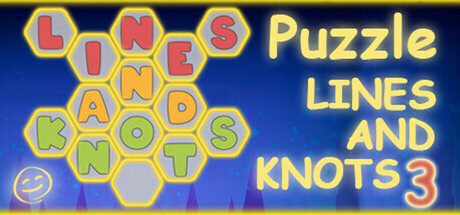
  • Genre Clarity: 7/10 — Casual puzzle, clear but generic. The hexagonal tile-based puzzle grid with letter knots immediately signals a word or logic puzzle game. At TINY size, the geometric layout and colorful tiles remain readable and convey casual puzzle gameplay effectively. However, the visual doesn't strongly differentiate this from other tile-matching or word puzzle games—the 'knots' mechanic isn't visually obvious without prior knowledge.
  • Title Readability: 6/10 — Readable but crowded layout. The title 'Puzzle LINES AND KNOTS 3' splits across the hexagon grid and right side in bright yellow against the dark blue background. At FULL size it reads clearly, but at TINY size the stacked text and small tagline struggle to maintain legibility; the word 'Puzzle' gets absorbed into the grid noise and the sequence becomes harder to parse quickly under scroll conditions.
  • Contrast & Color: 7/10 — Strong yellow pops, grid color muddy. The bright yellow title text and hexagon outlines create excellent value separation against the deep blue background. However, the interior tiles use muted orange, red, pink, and green that blend together with lower contrast and less visual punch at TINY size. The silhouette reads well for the overall composition, but mid-tone saturation could be stronger for premium polish.
  • Uniqueness & Polish: 5/10 — Generic casual puzzle aesthetic. The hexagon grid with colorful letter tiles is a standard casual puzzle visual language seen across many iOS and indie puzzle games. There is no distinctive art style, character, or unique mechanic hook that communicates this game's specific identity—it relies on familiar geometry and bright colors but lacks a memorable visual signature or narrative framing that would set it apart from competitors like Balatro or DAVE THE DIVER.
  • Brand Consistency: 5/10 — Minimal identity cues present. The hexagon grid and letter tiles form a recognizable motif that would be consistent across store pages, but there is no strong iconic character, symbol, or signature palette element that creates lasting brand recall. The art direction is functional but interchangeable—without exposure to the game's UI or screenshots, this capsule does not communicate a unique brand voice or memorable visual identity.
  • Composition: 6/10 — Balanced but hierachically flat. The hexagon puzzle grid anchors the left-center area as the focal point, with the title text stacked on the right in a clean two-column layout. The composition is balanced and uses space efficiently, but the grid and text areas have roughly equal visual weight, creating a somewhat flat hierarchy. At SMALL and TINY sizes the grid details fade and the layout flattens further, reducing the sense of depth or clear primary subject—the eye doesn't have a strong pull to one dominant element.

What works

  • Strong title-background contrast. Bright yellow 'Puzzle LINES AND KNOTS 3' text reads clearly at full size against the dark blue base, providing good visibility in Steam browse conditions.
  • Instantly recognizable puzzle format. The hexagonal tile grid is familiar enough to signal 'casual puzzle game' without ambiguity, anchoring the genre at a glance.
  • Clean, uncluttered layout. No excessive effects, clutter, or visual noise; the design is straightforward and respects safe margins with intentional spacing.

What hurts the capsule

  • Generic visual identity. The colorful tile grid is a standard casual puzzle trope with no distinctive art style, character, or unique hook that differentiates it from competitors in the genre.
  • Muddy mid-tone tile palette. Interior hexagon tiles use muted orange, red, and pink hues that blend together at TINY size, reducing visual impact and premium feel compared to higher-saturation competitors.
  • Text-grid hierarchy compression at small sizes. At SMALL and TINY sizes, the title and grid compete equally for attention and the tagline text becomes illegible, collapsing the intended visual hierarchy.
  • No mechanical or narrative hint. The capsule does not visually communicate what 'knots' are or why this puzzle is meditative—it looks like any other tile-matching game without a unique selling point cue.

Priority fixes

  1. [uniqueness_polish] Add a distinctive visual hook such as a character, signature motif, or stylized knot pattern that signals this game's unique meditation/relaxation angle and differentiates it from generic tile puzzles.
  2. [title_readability] Simplify the title placement by moving the main 'LINES AND KNOTS 3' text to a cleaner background region (e.g., solid overlay bar) to ensure legibility at TINY size during quick scroll.
  3. [contrast_color] Increase saturation and value contrast in the hexagon tile palette (especially the interior colors) so the grid pops at SMALL and TINY sizes without appearing muddy.
  4. [composition] Strengthen the focal hierarchy by either enlarging the grid as the dominant element or introducing a secondary character or icon that anchors attention and creates depth separation from the background.

Store copy priority fixes

  1. [hook_strength] Rewrite the short description to lead with a sensory or curiosity hook: 'Unravel interlocking knots by swapping hexagon tiles in this meditative puzzle experience' instead of the generic 'Logical puzzle game for meditation and relaxation.'
  2. [uniqueness] Add a sentence in the detailed description that explains what is distinctive about knot-based hexagon puzzles: e.g., 'Each level presents a unique tangle of connected knots that you must carefully unweave by swapping adjacent hexagons,' to set this apart from generic match-three or grid puzzles.
  3. [feature_communication] Expand the description with 1–2 sentences about progression and player experience: mention how the 132 levels scale in complexity, or how the puzzle design creates moments of satisfying 'aha' clarity, to help players envision actual gameplay.
  4. [audience_targeting] Add a brief statement that affirms the game's casual positioning: 'No timers, no pressure—play at your own pace' or similar, to reassure the stress-free gameplay audience.

Related guides

Steam app ID: 1329030 · Tags: Casual, Puzzle, Minimalist, Logic, Relaxing