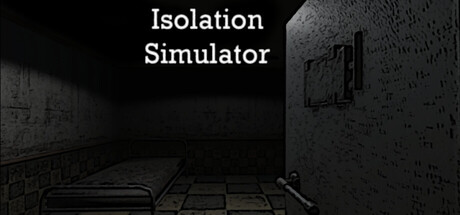
Isolation Simulator scores 63/100 — better than 6% of Simulation capsules (n=5,188).

Quick text summary

Isolation Simulator scored 63/100 on Steam Analyzer — Solid for a Simulation capsule. Top priority fix: [contrast_color] Add a distinctive prop or lighting accent (e.g., glowing screen, colored fixture) to create a focal point and improve value separation at tiny size

Capsule scores by dimension

  • Genre Clarity: 7/10 — Isolation theme clear, genre ambiguous. The stark, confined indoor space with industrial walls and minimal furniture strongly communicates psychological isolation and contemplation, matching the game's premise. However, at tiny size the specific simulation mechanics are unclear—it could be survival, puzzle, or narrative-focused rather than traditional simulator gameplay. The mood reads immediately but the gameplay loop does not.
  • Title Readability: 8/10 — Clean serif title, holds at small sizes. The white serif title 'Isolation Simulator' sits on a dark upper-left region with excellent contrast and clear letterforms that remain legible at small and tiny sizes. Placement avoids the busy right-side wall texture, supporting quick recognition during scrolling. No taglines or decorative elements compromise clarity.
  • Contrast & Color: 7/10 — Strong darks, limited mid-tone separation. The white title pops crisply against the dark background, and the black-and-gray room interior creates silhouette separation at full size. However, the wall texture and floor details are muted mid-tones that blur together at tiny size, reducing visual impact and subject distinction against the Steam dark background. Grayscale readability remains acceptable but lacks the punch of top-tier capsules.
  • Uniqueness & Polish: 5/10 — Thematic but generic room render. The first-person room perspective aligns thematically with isolation and matches the game description effectively, but the render itself feels like a straightforward 3D model without distinctive artistic flourish or memorable visual hook. Compared to genre leaders like DREDGE or DAVE THE DIVER, there is no signature art style, unique character, or visual storytelling element that sets it apart as premium work.
  • Brand Consistency: 5/10 — Minimal identity cues, no iconic motif. The capsule presents a literal representation of the game concept but lacks a recognizable symbol, character, or signature palette that would create brand recall across multiple touchpoints. Without reference to the 8 store screenshots, the visual language feels generically functional rather than establishing a cohesive, memorable brand identity tied to core mechanics or emotional hook.
  • Composition: 6/10 — Centered title, balanced but static layout. The composition divides naturally between the dark upper area (title region) and the detailed room environment (visual anchor), creating functional balance. The title placement is safe and readable, but the room interior lacks a strong focal point—the eye does not settle on a primary subject, making the image feel observational rather than engaging. At tiny size, the layout reads as competent but unremarkable, with no depth layering that creates visual hierarchy.

What works

  • Readable sans-serif title placement. White serif text positioned on dark upper area maintains legibility at small and tiny sizes without competition from busy textures.
  • Thematic alignment with game premise. The confined room with sparse furniture directly communicates the isolation narrative promised by the game description.
  • Clear silhouettes and structural contrast. The room geometry and architectural elements create readable shapes that separate from the dark background at full size.

What hurts the capsule

  • Generic room render without artistic signature. The 3D environment feels like a standard game asset rather than a distinctive, polished visual style that stands out among simulators.
  • Unclear gameplay genre at small scale. The visual language suggests mood and setting but fails to communicate whether this is a survival, puzzle, narrative, or mechanics-driven simulator experience.
  • Muted mid-tone textures collapse at tiny size. Wall details and floor texture blend into a muddy, indistinct mass at thumbnail scale, reducing visual impact and reducing quick-scroll recognition.
  • No focal point or visual hierarchy. The room interior distributes attention equally across surfaces with no primary subject to anchor the eye, making the composition feel static and uninviting.

Priority fixes

  1. [contrast_color] Add a distinctive prop or lighting accent (e.g., glowing screen, colored fixture) to create a focal point and improve value separation at tiny size
  2. [uniqueness_polish] Introduce a signature visual element or art style—such as a specific art direction filter, iconic object, or character silhouette—that differentiates this from generic room renders
  3. [genre_clarity] Layer subtle UI hints or visual cues (e.g., a game-like interface element, icon, or symbolic object) that clarify the simulation genre and core mechanic
  4. [composition] Establish a clear primary subject or focal point within the room to create depth layering and guide the eye at all viewing scales

Store copy priority fixes

  1. [feature_communication] Clarify core interaction loop: expand 'Your behavior becomes the key' with 1-2 specific examples of actions and consequences (e.g., 'Stay still for too long and shadows intensify; move frantically and reality fragments').
  2. [genre_clarity] Add explicit genre signal to short description: replace or add a single phrase that identifies it as a first-person psychological simulation (e.g., 'Enter a first-person psychological simulation where your isolation reveals unsettling truths').
  3. [audience_targeting] Insert difficulty and player-type signal in Key Features or opening: add clarity on whether this is for hardcore experimental players or narrative-curious explorers (e.g., 'Designed for players who embrace ambiguity and emergent storytelling').
  4. [hook_strength] Strengthen short description's clarity without losing tone: precede the dark humor with a single sentence that signals the core mechanic (e.g., 'Your isolated room observes you. Every action rewires reality. Yeah... This game won't help you cure it.').

Related guides

Steam app ID: 1338430 · Tags: Simulation, Walking Simulator, Survival Horror, Immersive Sim, Psychedelic