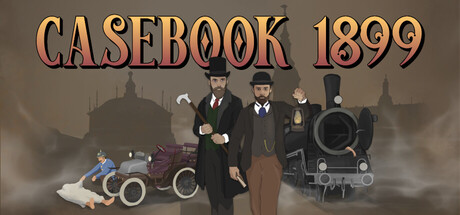
Casebook 1899 - The Leipzig Murders scores 70/100 — better than 33% of Adventure capsules (n=7,922).

Quick text summary

Casebook 1899 - The Leipzig Murders scored 70/100 on Steam Analyzer — Good for a Adventure capsule. Top priority fix: [uniqueness_polish] Introduce a distinctive visual hook such as a key crime scene element, dramatic lighting moment, or iconic motif (e.g., a bloodstain pattern, locked room detail, or signature evidence board) that communicates the core deduction mechanic and differentiates from generic detective games.

Capsule scores by dimension

  • Genre Clarity: 8/10 — Detective mystery with period setting clear. The capsule effectively communicates a detective/mystery adventure through multiple visual cues: formal Victorian-era clothing on central figures, a magnifying glass in the lower right, early industrial machinery suggesting a historical setting, and the prominent 1899 date establishing the period. At tiny size, the silhouettes and magnifying glass remain recognizable enough to signal detective gameplay, though the pixel-art retro style may read as generic adventure without full screenshot context.
  • Title Readability: 8/10 — Bold serif title reads well overall. The title 'CASEBOOK 1899' uses large, warm golden serif lettering with a subtle red/brown outline that separates it from the muted brownish background. At small size the text remains legible with good spacing and contrast. At tiny size the letters compress but the large scale and warm color maintain basic readability, though finer serifs may blur slightly under mental squint test.
  • Contrast & Color: 7/10 — Warm golds pop against muted backdrop. The golden title and character clothing provide warm value contrast against the desaturated brown-gray background and blurred cityscape. Silhouettes of the five figures read clearly with good separation from background in grayscale. The magnifying glass and machinery details add mid-tone variety, though the overall palette is intentionally muted, which slightly reduces visual pop at tiny sizes compared to higher-saturation competitors like DREDGE.
  • Uniqueness & Polish: 6/10 — Competent period aesthetic, generic execution. The capsule presents a cohesive historical detective theme with appropriate costume silhouettes and prop choices (magnifying glass, machinery), but the composition and visual treatment feel conventional—characters standing in a line, blurred skyline backdrop, stock atmospheric staging. The pixel-art style is consistent but does not convey a memorable distinctive hook or visual storytelling moment that differentiates it from other indie mystery adventures; it reads more as a competent thematic setup than a premium standout design.
  • Brand Consistency: 6/10 — Period costume cohesion, limited identity signature. All five figures wear historically appropriate late 19th-century formal attire (suits, hats, vests with tie detail), creating internal visual harmony around the detective theme. However, there are no iconic character, motif, or signature palette elements that establish a memorable brand identity that would be recognizable across store screenshots or marketing—the look is period-authentic but generic to the era rather than distinctively 'Casebook 1899.' The magnifying glass is a familiar genre symbol rather than a unique brand marker.
  • Composition: 7/10 — Clear focal point, balanced but static. The central detective figure in the suit and hat forms the primary focal point, flanked symmetrically by four supporting characters and industrial props, creating good visual balance and hierarchy. Foreground figures, mid-tone cityscape, and background blur establish light depth layering. At small and tiny sizes the composition remains readable with no dead center void. The slightly stiff linear arrangement lacks dynamic energy, but the magnifying glass and machinery anchor secondary interest effectively without chaos; the design is solid but somewhat portrait-like and passive rather than dynamically engaging.

What works

  • Strong title contrast and legibility. Warm golden serif lettering with outline stands out clearly against muted background at all viewing sizes including tiny.
  • Effective detective iconography. Magnifying glass, period costume silhouettes, and 1899 date immediately signal the mystery-detective gameplay and historical setting.
  • Balanced composition and hierarchy. Central figure as focal point with supporting characters and props arranged symmetrically creates clear visual structure without clutter.

What hurts the capsule

  • Generic period atmosphere, no standout hook. The historical staging and character lineup feel like a conventional detective thriller setup rather than a distinctive visual concept that communicates unique selling points.
  • Static, portrait-like arrangement. Characters standing in a formal line create visual coherence but lack dynamic movement or storytelling energy that would distinguish the capsule from generic period mystery games.
  • Muted palette limits visual pop at tiny size. Overall desaturation and brown-gray tones, while thematically appropriate, reduce the capsule's ability to stand out in quick Steam scroll compared to higher-contrast competitor thumbnails.

Priority fixes

  1. [uniqueness_polish] Introduce a distinctive visual hook such as a key crime scene element, dramatic lighting moment, or iconic motif (e.g., a bloodstain pattern, locked room detail, or signature evidence board) that communicates the core deduction mechanic and differentiates from generic detective games.
  2. [contrast_color] Increase saturation or add a warm accent color (deep crimson, rich teal) in the lower third to strengthen visual pop at tiny size without losing the historical atmosphere.
  3. [composition] Reposition one key character or prop into a more dynamic pose or off-center placement to add narrative energy and visual interest beyond the formal portrait arrangement.

Store copy priority fixes

  1. [uniqueness] Add a specific statement comparing this game's deduction system to similar titles or explicitly name what makes the consequence system different (e.g., 'Unlike other detective games, your choice of culprit is permanent—no true ending, only your ending').
  2. [feature_communication] Clarify the scope of exploration and puzzle-solving beyond interrogation—briefly mention whether players navigate freely, solve environmental puzzles, or if the game is dialogue and deduction focused.
  3. [hook_strength] Strengthen the short description with an emotional hook or consequence statement (e.g., 'Your deductions determine who hangs—and if you're wrong, an innocent person pays the price') to add stakes and emotional weight.

Related guides

Steam app ID: 1841190 · Tags: Adventure, Point & Click, 2D, Pixel Graphics, Old School