Scoring genre clarity...
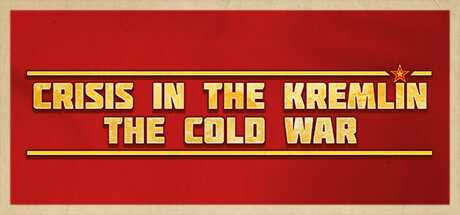
Crisis in the Kremlin: The Cold War capsule

Crisis in the Kremlin: The Cold War

Crisis in the Kremlin is a global real-time political strategy about the Socialist world in its final decade. Shape the fate of the world as you manage economy, foreign relations, and domestic policy. Engage with countries across the globe, using diplomacy or even proxy wars to expand your reach.

$7.99Very Positive(15)
SimulationStrategyPolitical Sim
NostalgamesJul 11, 2025

Crisis in the Kremlin: The Cold War scores 77/100 — better than 71% of Simulation capsules (n=5,188).

Very Positive (15 reviews) · $7.99 · Released Jul 11, 2025 · By Nostalgames

Quick text summary

Crisis in the Kremlin: The Cold War scored 77/100 on Steam Analyzer — Good for a Simulation capsule. Top priority fix: [genre_clarity] Introduce subtle visual elements hinting at the real-time political simulation mechanics—consider adding stylized economy/diplomacy icons, a globe segment, or a management interface overlay that differentiates from turn-based strategy games.

Capsule scores by dimension

  • Genre Clarity: 7/10 — Cold War strategy theme clear. The hammer and sickle icon, Soviet star, radiant sunburst background, and period typography immediately signal Cold War geopolitics and historical strategy gameplay. At tiny size, the red banner and iconography remain recognizable, though the specific simulation/strategy mechanics are not visually distinct from turn-based tactics games. The visual language effectively communicates the thematic setting but could better hint at real-time political management as the core mechanic.
  • Title Readability: 8/10 — Bold, clean, highly legible title. The title uses a thick, condensed sans-serif in bright yellow with strong red backing and thin gold outline, creating excellent contrast against both the dark background and light paper texture above. At small and tiny sizes, the text remains sharp and readable due to generous letterspacing and high value separation. The tagline placement below the banner is secondary and maintains hierarchy without competing for attention.
  • Contrast & Color: 8/10 — Strong value separation, high pop. The bright yellow title and red banner create excellent contrast against the muted beige/cream background and dark Steam background. The hammer and sickle in deep red stands out clearly against the light radiant pattern, and the grayscale squint test shows clean silhouette separation throughout. The color palette is saturated enough to catch the eye on quick scroll without feeling garish.
  • Uniqueness & Polish: 7/10 — Polished retro aesthetic, thematic. The design employs a cohesive Soviet propaganda poster aesthetic with period-appropriate typography, radiant sunburst, and iconic symbolism that feels intentional and well-executed rather than generic. The craftsmanship is evident in the balanced composition and controlled color choices, but the approach is more faithful to historical reference than distinctly unique—many Cold War strategy games use similar visual language. The execution is premium and polished, placing it above baseline but not breaking new ground in genre identity.
  • Brand Consistency: 8/10 — Strong Soviet propaganda identity. The capsule establishes a clear, recognizable brand voice through consistent use of Soviet iconography (hammer and sickle, star), period-authentic typography, and warm period color palette that would be immediately identifiable across marketing materials. The internal cohesion is excellent—every element reinforces the Cold War theme without tonal confusion. This visual identity is distinctive within strategy game space and would be memorable on repeated exposure.
  • Composition: 8/10 — Balanced, clear hierarchy, safe layout. The composition uses a two-zone split: symbolic propaganda iconography in the upper half against a light radiant background, and the title banner anchoring the lower half in bright red. The focal point is the hammer and sickle symbol centered at the top, naturally drawing the eye before the title banner registers. The layout maintains safe margins from edges, avoids Steam cropping hazards, and the title bar provides a stable base that reads well even when the image is reduced to small thumbnail sizes.

What works

  • Iconic thematic imagery. The hammer and sickle symbol and Soviet star are instantly recognizable and immediately communicate the game's Cold War focus, creating strong genre association.
  • Excellent title contrast and legibility. The yellow text on red with gold outline maintains perfect readability from full size down to tiny thumbnails without any letterform collapse or blur issues.
  • Cohesive retro design voice. The propaganda poster aesthetic is internally consistent, with period-appropriate typography, color palette, and layout that reinforce each other throughout the capsule.
  • Strong background value separation. The muted beige radiant pattern provides excellent contrast foundation that allows both the dark red symbol and bright yellow text to pop effectively on dark Steam backgrounds.

What hurts the capsule

  • Generic propaganda template feel. While well-executed, the Soviet poster style is relatively common in Cold War media, lacking distinctive visual hooks that differentiate this strategy game from competitors in the genre.
  • Gameplay mechanics not visually implied. The capsule communicates theme effectively but provides no visual hints about real-time political simulation, economy management, or diplomatic mechanics—making it harder to distinguish from turn-based tactics games at a glance.
  • Minimal character or unique asset presence. The design relies entirely on historical symbols and typography rather than original character design, concept art, or distinctive mechanical visualization that could serve as brand recognition anchors.

Priority fixes

  1. [genre_clarity] Introduce subtle visual elements hinting at the real-time political simulation mechanics—consider adding stylized economy/diplomacy icons, a globe segment, or a management interface overlay that differentiates from turn-based strategy games.
  2. [uniqueness_polish] Commission or develop a signature visual asset—a unique character portrait, nation mascot, or mechanical diagram element—that becomes the recognizable brand anchor for this specific game beyond generic Soviet imagery.
  3. [composition] Consider adding subtle depth layering or foreground texture elements that create more visual dimensionality and prevent the design from feeling flat at small thumbnail sizes.

Store copy priority fixes

  1. [hook_strength] Replace the identical opening in the detailed description with a single compelling hook sentence that uses action language ('Command the Soviet Union's final decade as economy, ideology, and superpowers collide') followed by the feature list, avoiding pure repetition.
  2. [feature_communication] Clarify the real-time vs. turn-based/pausable nature of the game in the opening paragraph—state explicitly whether the game can be paused or if it plays in continuous time.
  3. [uniqueness] Add 1-2 sentences after the hook explicitly differentiating this game: 'Unlike other grand strategy games, Crisis in the Kremlin is the only title where you lead the Soviet Union from within its collapse, with branching ideological paths and consequences that reshape global history.'
  4. [genre_clarity] Integrate the poetic narrative section more tightly with mechanics by adding a sentence like 'Your decisions in research, diplomacy, and reform determine whether the USSR reforms, survives, or collapses—with real historical parallels and radical alternatives.'

Related guides

Steam app ID: 1922740 · Tags: Simulation, Strategy, Political Sim, Alternate History, Historical