Scoring genre clarity...
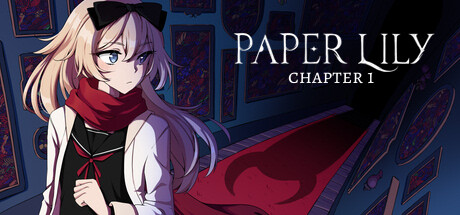
Paper Lily - Chapter 1 capsule

Paper Lily - Chapter 1

Paper Lily is an RPG horror game in which you can solve puzzles in different ways. Explore a hidden world, meet strange characters, and guide Lacie as she attempts to find answers about her unusual condition.

Free to PlayOverwhelmingly Positive(160)
Pixel GraphicsPsychological HorrorStory Rich
Leef 6010Jan 26, 2024

Paper Lily - Chapter 1 scores 73/100 — better than 54% of Pixel Graphics capsules (n=4,841).

Overwhelmingly Positive (160 reviews) · Free to Play · Released Jan 26, 2024 · By Leef 6010

Quick text summary

Paper Lily - Chapter 1 scored 73/100 on Steam Analyzer — Good for a Pixel Graphics capsule. Top priority fix: [uniqueness_polish] Add a subtle environmental detail or effect that hints at the puzzle-solving or horror mechanic—such as ghostly paper elements, fractured reality, or mysterious symbols—to signal what makes Paper Lily mechanically distinct.

Capsule scores by dimension

  • Genre Clarity: 7/10 — Anime RPG with horror undertones. The character-focused illustration with anime art style and the prominent title clearly signals a narrative-driven RPG. The red scarf, mysterious expression, and dark interior setting suggest mystery and horror elements, though at TINY size the genre reads more as generic anime adventure rather than horror-specific. The character pose and indoor setting communicate story-driven gameplay rather than action or combat focus.
  • Title Readability: 8/10 — Clean serif typography, clear hierarchy. PAPER LILY in large serif capitals dominates the top right with strong contrast against the dark background, and CHAPTER 1 subtitle below creates clear hierarchy. At SMALL size the title remains fully legible with crisp letterforms and good spacing. At TINY size the text compresses but remains readable due to the serif font's structural clarity and high contrast.
  • Contrast & Color: 8/10 — Strong light-dark separation, warm accent. The character's light pink hair and pale skin create excellent value separation against the cool blue-purple interior environment, while the red scarf provides warm color accent that pops. In grayscale the character silhouette reads cleanly against background clutter. At TINY size the light figure still separates from the darker background, maintaining visual clarity.
  • Uniqueness & Polish: 7/10 — Well-executed anime art, generic composition. The character illustration demonstrates strong line work, color control, and expressive anime aesthetics with professional rendering quality. However, the standing portrait pose against an interior setting is a common visual trope in anime RPG marketing, lacking a distinctive hook or unique visual storytelling element that suggests what makes Paper Lily mechanically unique. The craft is clean but the concept feels familiar within the genre.
  • Brand Consistency: 7/10 — Coherent anime aesthetic, recognizable character. The art style is internally consistent with clean linework, controlled color palette of blues, purples, and warm accents, and professional anime illustration standards. The character Lacie appears to have a distinctive silhouette with the pink hair and red scarf that could serve as brand identity. Without seeing the other 7 screenshots, the visual language feels cohesive but not yet confirmed as uniquely memorable across marketing materials.
  • Composition: 7/10 — Clear focal point, safe margins, slight imbalance. The character occupies the left-center area with the title anchored to the right, creating a balanced two-point hierarchy that guides the eye effectively. The interior background provides context without overwhelming the figure. At TINY size the character and title both remain visible and separable. Minor weakness: the composition feels slightly left-heavy, and the background interior detail, while atmospheric, competes slightly with the character at small sizes.

What works

  • Strong character focal point. Lacie's light skin and hair create immediate visual contrast against the cool background, making her the undeniable primary subject across all viewing sizes.
  • Excellent title clarity and placement. PAPER LILY in large serif capitals maintains legibility at TINY size with clean contrast and strategic placement in negative space away from character detail.
  • Professional anime rendering quality. Line work, color control, lighting, and expression demonstrate polished character illustration that conveys premium production value.
  • Effective color hierarchy. Red scarf accent guides the eye while the blue-purple palette creates cohesive mood without muddy mid-tones.

What hurts the capsule

  • Generic standing portrait formula. The character pose and interior setting composition follows familiar anime RPG marketing conventions, lacking a distinctive visual hook that differentiates the title from peers.
  • Background reads as clutter at small sizes. The interior detail with framed pictures and objects adds atmosphere but becomes visual noise at SMALL and TINY sizes, slightly competing with the character focal point.
  • Limited visual storytelling of core mechanics. The capsule communicates 'anime RPG with a mysterious girl' but doesn't visually hint at puzzle-solving, horror elements, or the unique condition mechanic that differentiates the gameplay.

Priority fixes

  1. [uniqueness_polish] Add a subtle environmental detail or effect that hints at the puzzle-solving or horror mechanic—such as ghostly paper elements, fractured reality, or mysterious symbols—to signal what makes Paper Lily mechanically distinct.
  2. [composition] Simplify or reduce background detail saturation so the character silhouette dominates even more clearly at SMALL and TINY sizes, or reposition elements to create more breathing room around the focal figure.
  3. [genre_clarity] Consider a subtle visual cue that reinforces the horror RPG angle—such as a slightly unsettling atmospheric effect or darker environmental tone shift—to communicate the genre more precisely at thumbnail size.

Store copy priority fixes

  1. [feature_communication] Replace or restructure the "Out of Context Features" section to describe actual mechanics in clear terms, e.g., "Solve puzzles through combat, stealth, puzzle logic, or dialogue; use items creatively; interact with the environment in multiple ways."
  2. [tone_match] Add a transitional sentence after the main narrative that bridges the serious psychological horror tone into lighter elements, or remove quirky features entirely if the game is primarily dark.
  3. [feature_communication] Explain what happens when players choose different puzzle solutions: Do they unlock different story branches, character interactions, or only reach the same goal differently?

Related guides

Steam app ID: 2220360 · Tags: Pixel Graphics, Psychological Horror, Story Rich, Anime, RPG