Scoring genre clarity...
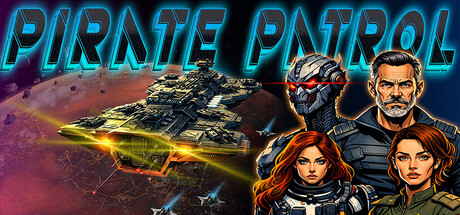
Pirate Patrol capsule

Pirate Patrol

Pirate Patrol is a hardcore tactical simulation/RPG with procedurally generated battles, endless replayability, and infinite items/loot, where mastery comes from precision, planning, and smart command decisions. Your pilots are ready for your orders, Captain!

$3.24Mixed(16)
IndieActionSingleplayer
INDIELLIGENTJan 27, 2026

Pirate Patrol scores 60/100 — better than 0% of Indie capsules (n=11,449).

Mixed (16 reviews) · $3.24 · Released Jan 27, 2026 · By INDIELLIGENT

Quick text summary

Pirate Patrol scored 60/100 on Steam Analyzer — Solid for a Indie capsule. Top priority fix: [uniqueness_polish] Introduce a distinctive visual signature—a unique character pose, iconic pirate motif (e.g., stylized skull, patch, ship insignia), or unconventional art style flourish—to differentiate from generic sci-fi tactical games and create memorable brand identity.

Capsule scores by dimension

  • Genre Clarity: 6/10 — Space action with tactical hints. The capsule shows a spaceship, four characters in military/tactical gear, and a sci-fi setting that clearly signals action-strategy gameplay. However, at tiny size the ship and character details blur together, making it ambiguous whether this is a space sim, tactical RPG, or action game—the specific pirate theme and tactical simulation focus are not immediately apparent from visuals alone.
  • Title Readability: 7/10 — Clear cyan title, readable at all sizes. The 'PIRATE PATROL' title uses a bright cyan outline font positioned prominently at the top in uncluttered space, maintaining legibility at small and tiny sizes. The letterforms are bold and spaced generously, avoiding decorative collapse; however, the all-caps treatment with minimal descenders reduces visual interest and the title lacks a secondary tagline to reinforce game identity.
  • Contrast & Color: 7/10 — Strong value separation with warm-cool contrast. The cyan title and character highlights pop well against the dark space background, and the warm yellow-orange engine glow of the ship creates clear depth and visual hierarchy. The color palette (cyan, orange, purple nebula) provides good saturation and value range; in grayscale the silhouettes remain distinct, though the purple nebula mixes mid-tones that soften edge definition at tiny size.
  • Uniqueness & Polish: 5/10 — Competent but generic sci-fi tactical look. The four-character lineup and spaceship composition feel familiar to many action-strategy titles; the character art is clean but reads as stock military/sci-fi archetypes without distinctive personality or visual hook. At full size the rendering is solid, but at small size the arrangement offers no memorable unique selling point beyond 'space pirate game'—lacking the signature visual storytelling seen in top-tier indie and AAA benchmarks.
  • Brand Consistency: 5/10 — Generic sci-fi aesthetic without identity cues. The capsule presents a standard space tactical setup with no recognizable icon, character silhouette, or signature motif that would distinguish Pirate Patrol from dozens of similar titles. The color palette (cyan, orange, purple) is functional but not distinctive; there are no internal cohesion signals—like a recurring symbol, logo, or art style quirk—that would create instant brand recognition on repeat views.
  • Composition: 6/10 — Balanced layout, clear focal point, safe margins. The composition uses left-to-right depth: ship on left, four characters center-right, with title anchored at top. The focal point is the character group, supported by the ship's engine glow and nebula backdrop; margins are safe and title does not edge-hug. At tiny size the layout remains coherent, though the ship and characters compress into a single visual mass with diminishing silhouette separation.

What works

  • Strong cyan-orange color separation. The bright cyan title and warm engine glow create excellent value contrast against the dark space background, maintaining clarity in grayscale and at small sizes.
  • Readable title at all sizes. The bold, sans-serif 'PIRATE PATROL' text with generous letterform spacing avoids decorative collapse and remains legible from full header down to tiny thumbnail.
  • Safe composition and margins. Title is positioned in uncluttered space at the top, characters and ship are centered without edge-hugging, and overall layout is balanced and resilient to Steam cropping.

What hurts the capsule

  • Generic sci-fi tactical presentation. The four-character lineup and spaceship arrangement feel formulaic and interchangeable with many other action-strategy and space RPG capsules, offering no distinctive visual hook.
  • No memorable brand identity cues. The capsule lacks a signature icon, character silhouette, or recurring motif that would allow recognition on repeat exposure, and the color palette is functional but not distinctly 'Pirate Patrol'.
  • Unclear core game identity at tiny size. At thumbnail resolution, the visuals compress into an undifferentiated space-action scene; the procedural, tactical, and pirate-specific elements are not communicated visually, making genre positioning ambiguous.
  • Limited personality in character presentation. The four characters are rendered as clean military archetypes without distinctive pose, expression, or detail that conveys humor, uniqueness, or compelling narrative hook.

Priority fixes

  1. [uniqueness_polish] Introduce a distinctive visual signature—a unique character pose, iconic pirate motif (e.g., stylized skull, patch, ship insignia), or unconventional art style flourish—to differentiate from generic sci-fi tactical games and create memorable brand identity.
  2. [genre_clarity] Add a secondary descriptor or visual cue that reinforces the 'tactical simulation' focus; consider a tactical grid overlay, command interface hint, or procedural/loot visual element that clarifies core gameplay loop at small and tiny sizes.
  3. [brand_consistency] Establish a signature color motif or style flourish that repeats across marketing materials; ensure character silhouettes have distinctive traits (armor design, pose, stance) that become recognizable on repeat exposure.
  4. [composition] Increase character expressiveness and pose variety; avoid the static four-person lineup in favor of dynamic positioning or interaction that conveys strategy, leadership, or unique personality—making the focal point more compelling and memorable at all sizes.

Store copy priority fixes

  1. [hook_strength] Rewrite the short description opening to lead with a single, emotionally resonant core mechanic: e.g., 'Take command of a capital ship in a lawless galaxy where every tactical decision determines your survival' before adding secondary claims.
  2. [uniqueness] Expand the SPG explanation in the short description or add a sentence contrasting it directly to competitors: 'Unlike traditional pause-heavy tactics games, SPG lets you plan without constant interruptions—keeping the action flowing.'
  3. [feature_communication] Condense the mission list (Rush to the aid, Rescue pilots, Investigate anomalies, etc.) into 3-4 representative examples rather than 6, or group them under a single 'Dynamic Mission Types' header to reduce cognitive load.
  4. [tone_match] Add 1-2 atmospheric descriptors to the opening or first paragraph (e.g., 'in the lawless, debris-strewn regions of space' or 'where danger lurks at every turn') to reinforce the pirate/atmospheric tags and elevate the sense of setting.

Related guides

Steam app ID: 2339490 · Tags: Indie, Action, Singleplayer, RPG, Simulation