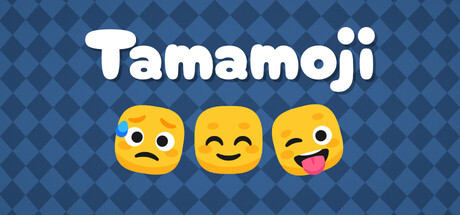
Tamamoji scores 77/100 — better than 75% of Casual capsules (n=10,153).

Quick text summary

Tamamoji scored 77/100 on Steam Analyzer — Good for a Casual capsule. Top priority fix: [uniqueness_polish] Commission or refine the emoji characters with a distinctive art style or line weight that differentiates them from standard platform emoji and creates a signature brand look.

Capsule scores by dimension

  • Genre Clarity: 8/10 — Clear casual clicker identity. The three emoji faces with distinct expressions immediately communicate a casual, emotion-based gameplay loop tied to mood simulation and pet care mechanics. At tiny size, the emoji silhouettes remain legible and the playful tone is unmistakable, though the specific 'clicker' mechanic is not explicitly visual—the casual indie vibe reads strongly enough to guide genre expectation.
  • Title Readability: 9/10 — Excellent legibility across all sizes. Tamamoji uses clean, bold white sans-serif typography with generous letter spacing and a solid background isolation that ensures clarity at full, small, and tiny sizes. The title sits in the upper-center with ample breathing room from the diamond pattern, and the letterforms maintain perfect readability even at 120x45 resolution without blur or collapse.
  • Contrast & Color: 8/10 — Strong value separation on dark. White title and bright yellow emoji (#FFCC00 range) create excellent contrast against the dark blue diamond-pattern background (#1b2838 family), with clear silhouette separation in grayscale. The emoji faces maintain distinct features (eyes, mouths) at small sizes, though the background diamond pattern adds visual texture that could slightly soften the focal point on quick scroll.
  • Uniqueness & Polish: 7/10 — Competent emoji charm with minor generic feel. The capsule executes the tamagotchi-meets-emoji concept cleanly with three well-rendered emoji faces showing mood variety (sad, happy, laughing), which communicates the core mechanic effectively. However, the presentation relies heavily on standard emoji design and a simple geometric background; while polished, it lacks a distinctive visual hook or art style that sets it apart from other casual indie games beyond the emoji conceit itself.
  • Brand Consistency: 6/10 — Functional consistency within emoji theme. The capsule presents a cohesive emoji-based identity with consistent warm yellow palette and friendly facial expressions, but without access to the five store screenshots, internal brand identity signals (signature UI, character motifs, or distinctive art direction) cannot be fully verified. The design feels internally stable but relies on generic emoji assets rather than a proprietary visual language.
  • Composition: 8/10 — Well-balanced hierarchy with clear focal point. The title anchors the top third, and the three emoji faces create a strong primary focal point in the center-lower area with natural left-to-right reading flow guided by expression progression. The composition handles small and tiny sizes gracefully—emoji remain readable, title stays legible, and the overall layout avoids clutter; the generous margin on all sides protects against Steam cropping at safe zones.

What works

  • Legible title at all sizes. Bold white sans-serif with clean letter spacing maintains perfect readability from full header down to 120x45 thumbnail without any collapse or blur.
  • Strong yellow-on-blue contrast. Bright emoji and white text pop distinctly against the dark blue background in both color and grayscale, ensuring quick visual pickup on rapid scroll.
  • Clear mood mechanic communication. Three emoji faces with varied expressions (sad, happy, laughing) instantly convey the emotion-tracking and pet-care gameplay loop without needing to read text.
  • Balanced safe composition. Centered layout with adequate margins protects all key elements from edge cropping and maintains visual stability across display sizes.

What hurts the capsule

  • Generic emoji asset reliance. The three faces use standard emoji design rather than a proprietary art style, limiting distinctiveness compared to top-tier indie titles with signature visual identities.
  • Minimal visual storytelling. The capsule communicates 'emoji with emotions' but does not hint at unique selling points like progression systems, unlockables, or distinct game mechanics beyond the basic tamagotchi loop.
  • Background pattern lacks depth. The repeating diamond pattern is flat and does not create layering or focal depth, which reduces premium polish compared to titles with gradient or atmospheric backgrounds.

Priority fixes

  1. [uniqueness_polish] Commission or refine the emoji characters with a distinctive art style or line weight that differentiates them from standard platform emoji and creates a signature brand look.
  2. [composition] Add subtle background layering (e.g., soft radial gradient or bokeh effect behind the diamond pattern) to create visual depth and elevate the premium feel.
  3. [genre_clarity] Introduce a subtle visual hint of the clicker mechanic, such as a subtle '+1' indicator or click particle near one emoji, to clarify gameplay at tiny size.

Store copy priority fixes

  1. [hook_strength] Rewrite the short description to lead with a specific emotional outcome or consequence: 'Raise your Tamamoji from birth to see how far you can push its lifespan—each mood shift brings new challenges and upgrades to unlock.'
  2. [uniqueness] Add a sentence to the detailed description explaining what makes Tamamoji distinct: e.g., 'Every playthrough is unique thanks to [specific mechanic], and the bonus Mood Run mode offers a speedrun-style challenge for veterans.'
  3. [feature_communication] Replace 'And more!' with 2–3 concrete example upgrades (e.g., 'Unlock happiness multipliers, speed boosts, or mood-specific perks') to clarify progression depth.
  4. [audience_targeting] Add a single sentence at the end signaling the intended player: e.g., 'Perfect for fans of Tamagotchi, idle games, and quick gaming sessions.'

Related guides

Steam app ID: 2352140 · Tags: Casual, Incremental, Life Sim, Point & Click, Roguelike