Scoring genre clarity...
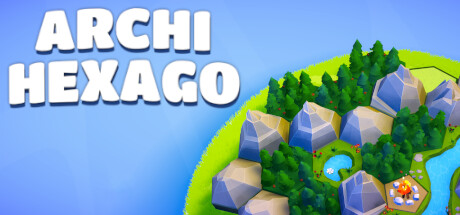
ArchiHexago capsule

ArchiHexago

ArchiHexago is a casual puzzle game which takes inspiration from match-3 genre and takes it one step further. Each tile type has unique pattern which you need to match in order to gain points. And each level has different tile sets and obstacles to give you a variety of challenges.

$0.747 user reviews
CasualMatch 3Puzzle
Pixel Fiber GamesMay 30, 2023

ArchiHexago scores 73/100 — better than 56% of Steam capsules we've analysed (n=22,659).

7 user reviews · $0.74 · Released May 30, 2023 · By Pixel Fiber Games

Quick text summary

ArchiHexago scored 73/100 on Steam Analyzer — Good for a Steam capsule. Top priority fix: [uniqueness_polish] Add a distinctive visual hook or mascot element that communicates the hexagon-matching mechanic more clearly and makes the brand memorable.

Capsule scores by dimension

  • Genre Clarity: 7/10 — Casual puzzle gameplay evident. The isometric hexagonal tiles, colorful gem-like crystals, and pastoral garden setting immediately signal a puzzle-building game with casual appeal. At tiny size, the hex grid pattern and stacked gems remain distinguishable, though the specific match-3 variant mechanic is not explicitly clear from visuals alone. The bright, non-threatening aesthetic and organized board layout confirm casual rather than action or strategy genres.
  • Title Readability: 8/10 — Bold white title legible throughout. The title 'ARCHI HEXAGO' uses a thick white sans-serif font with bold outlines positioned in the upper left on a controlled blue background, ensuring strong contrast and readability at all sizes. At tiny size, the letterforms remain distinct and the two-word layout is scannable. The font weight and outline strategy protect legibility even under squinting or quick scroll conditions.
  • Contrast & Color: 8/10 — Strong value separation and pop. White title text pops sharply against the blue sky background with excellent value separation. The colored isometric tiles (beige, tan, purple-gray) and bright green foliage contrast well against the light blue, creating visual depth and silhouette clarity. In grayscale, the hierarchy remains clear; at tiny size, key elements (tiles, trees, title) do not blend into the background.
  • Uniqueness & Polish: 7/10 — Polished casual aesthetic, modest uniqueness. The isometric art style is clean and craft-conscious with intentional lighting, shading on crystals, and cohesive color palette that feels premium for a casual indie title. However, the scenic garden-with-gems concept is familiar in casual puzzle games, and the visual hook does not communicate a distinctive mechanic or memorable selling point beyond 'hexagon-based puzzles.' The presentation is competent and pleasant but not boldly distinctive.
  • Brand Consistency: 6/10 — Consistent rendering, generic identity. The isometric art style, color palette (pastels, greens, blues), and visual tone are internally coherent and match a casual puzzle aesthetic. However, there are no iconic character, unique symbol, or signature motif that would make ArchiHexago instantly recognizable on a shelf of similar titles. The capsule establishes a consistent brand but lacks a memorable identity cue that differentiates it from other garden-themed puzzle games.
  • Composition: 8/10 — Clear hierarchy, balanced depth layering. Title anchors the upper left, game board occupies the primary center-right focal point with foreground tiles in sharp focus, midground trees, and background sky. The composition uses depth effectively and avoids clutter; supporting elements (trees, water) guide the eye toward the puzzle tiles without competing for attention. At small and tiny sizes, the focal point remains clear and the layout is crop-resilient, though some edge tiles could risk minor cutoff on extreme crops.

What works

  • Excellent title contrast and readability. Bold white sans-serif with outline on blue background remains legible at all sizes from full header to tiny thumbnail.
  • Clear visual hierarchy and focal point. Game board with puzzle tiles occupies prime real estate as primary subject with supporting trees and sky guiding the eye naturally.
  • Strong color and value separation. Isometric tiles and foliage pop against the light blue background with distinct edges and silhouettes that survive grayscale conversion.
  • Cohesive isometric art style. Consistent rendering, intentional lighting on crystals, and palette harmony create a polished, premium casual aesthetic.

What hurts the capsule

  • Generic garden-puzzle concept. The scenic gem-and-tiles visual does not communicate a distinctive mechanic or unique selling point beyond familiar casual puzzle tropes.
  • No iconic brand identity cue. Missing a memorable character, symbol, or signature motif that would make ArchiHexago instantly recognizable and differentiate it from similar titles.
  • Hex mechanic not explicitly visible. While the hexagonal grid is subtle in the tile shapes, the match-3-variant mechanic is not immediately obvious from the static image alone.

Priority fixes

  1. [uniqueness_polish] Add a distinctive visual hook or mascot element that communicates the hexagon-matching mechanic more clearly and makes the brand memorable.
  2. [brand_consistency] Introduce a signature icon or symbol (e.g., a stylized hex pattern or character) that can become a recognizable brand identity across store screenshots and future marketing.
  3. [genre_clarity] Consider subtle UI hints (e.g., pattern indicators on tiles or a small matching example) that reinforce the pattern-match-3 variant mechanic at small sizes.

Store copy priority fixes

  1. [hook_strength] Replace 'takes it one step further' with a concrete differentiator: e.g., 'ArchiHexago reimagines match-3 on a hex grid, where each tile type demands its own unique pattern to clear.' This immediately answers what is different.
  2. [uniqueness] Add a sentence highlighting the hex grid as a core mechanic: e.g., 'The hexagonal grid creates new spatial puzzles that square-based match-3 games cannot offer.' This elevates a potential unique selling point from tag to narrative.
  3. [tone_match] Reframe the opening to emphasize the relaxing aspect alongside challenge: e.g., 'A casual puzzle game that lets you play at your own pace while you unwind—but escalating difficulty keeps strategy fresh.' This bridges the tags to the mechanics.
  4. [feature_communication] Add a brief visual or narrative description of a turn in the game: e.g., 'Draw a puzzle piece, place it on the hex grid, match three tiles of the same type in their unique pattern, and watch them disappear.' This clarifies the core loop.

Related guides

Steam app ID: 2395940