Scoring genre clarity...
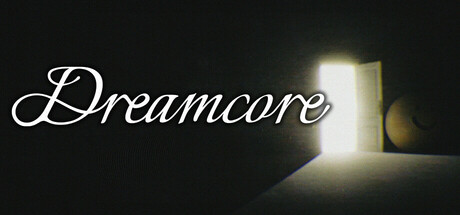
Dreamcore capsule

Dreamcore

Experience liminal spaces like never before. Dreamcore is the ultimate psychological exploration game, set in the largest liminal world ever made. No guides, no path—only intuition. Will you keep your bearings in a world designed to make you lose them?

$17.99Very Positive(129)
ExplorationPsychological HorrorWalking Simulator
MontraluzJan 23, 2025

Dreamcore scores 75/100 — better than 74% of Exploration capsules (n=4,906).

Very Positive (129 reviews) · $17.99 · Released Jan 23, 2025 · By Montraluz

Quick text summary

Dreamcore scored 75/100 on Steam Analyzer — Good for a Exploration capsule. Top priority fix: [uniqueness_polish] Add a subtle visual element that hints at core gameplay mechanics—such as a perspective anomaly, repeated motif, or selective color accent that signals the psychological/disorientation hook without breaking the liminal aesthetic

Capsule scores by dimension

  • Genre Clarity: 7/10 — Liminal space psychology established. The capsule clearly communicates a psychological/exploration game through the vacant, eerie interior space with brutalist architectural language and liminal atmosphere. The empty mall setting with harsh fluorescent lighting and concrete brutalism strongly signals the game's core theme of disorienting liminal spaces. At tiny size, the stark institutional architecture and emptiness read as unusual and atmospheric rather than generic action or puzzle game.
  • Title Readability: 8/10 — Strong script title, clear callout. The white serif script 'Dreamcore' contrasts well against the dark architectural background and remains recognizable at small sizes due to its elegant but substantial letterforms. The stark "DEAD MALL OUT NOW" tagline in all-caps monospace provides clear secondary messaging with strong contrast. At tiny size, the script logo maintains legibility through weight and outline clarity, though the tagline becomes challenging but still functional.
  • Contrast & Color: 8/10 — High value separation, dark moody. White serif typography against dark brown-gray institutional interior creates strong luminance separation that holds at all sizes. The pale fluorescent ceiling light provides a bright focal point that further isolates the title from the shadowed lower walls. In grayscale, the composition maintains silhouette clarity with distinct separation between the lit upper portion and darker architectural forms below, ensuring strong readability against the Steam dark background.
  • Uniqueness & Polish: 8/10 — Distinctive liminal aesthetic highly crafted. This capsule stands apart from typical indie adventure fare by committing fully to authentic liminal space photography or architectural rendering rather than illustrated characters or fantastical scenes. The choice to feature an actual brutalist institutional interior with period-accurate fluorescent lighting and concrete surfaces communicates maturity and intentionality that most genre competitors lack. The minimalist approach with elegant serif typography reinforces a premium, indie art-game positioning rather than a generic exploration title.
  • Brand Consistency: 7/10 — Consistent institutional aesthetic identity. The capsule establishes a cohesive visual identity through commitment to brutalist institutional architecture, cool color temperature, and stark fluorescent lighting that differentiates Dreamcore from fantastical or colorful indie titles. The serif script logo paired with monospace callout creates recognizable typographic hierarchy, and this approach should translate across marketing materials if maintained consistently. However, without reference to all 12 screenshots, internal consistency cannot be fully verified, though the strong directional aesthetic suggests disciplined brand application.
  • Composition: 7/10 — Clear hierarchy, centered title placement. The composition places the elegant script title in the upper third against the well-lit ceiling panel, creating a natural focal point that draws immediate attention in quick scroll while leaving the institutional space below to establish context and mood. The monospace tagline at the bottom anchors the layout and provides secondary information without competing for attention. At tiny size, the layout collapses cleanly to a bright title bar with supporting detail below, though the architectural detail becomes abstracted.

What works

  • Authentic liminal space execution. Choosing real architectural photography or precise rendering of brutalist institutional interiors rather than illustrated characters creates immediate differentiation and communicates the game's core psychological hook at a glance.
  • Elegant serif-monospace typography pairing. The white serif 'Dreamcore' script paired with the bold monospace callout establishes clear hierarchy and premium positioning while maintaining strong contrast and readability across all sizes.
  • Atmospheric lighting strategy. The pale fluorescent ceiling and shadowed walls create depth and mood that reinforces the disorienting liminal theme while providing natural contrast zones that isolate the title effectively.

What hurts the capsule

  • Limited visual narrative about gameplay. While the liminal aesthetic is distinctive, the capsule communicates mood and theme but offers minimal visual storytelling about what the player will actually do—no UI hints, environmental clues about exploration mechanics, or unique visual hook that suggests core mechanics.
  • Minimal color information. The monochromatic brown-gray palette with cool institutional tones lacks the warmth or distinctive color identity that might make the capsule more memorable or instantly recognizable among scrolling competitors.
  • Dense architectural detail at tiny size. When compressed to thumbnail size, the architectural elements and ceiling fixtures become visual noise that dilutes the clean impact of the title, reducing the silhouette clarity slightly below top-tier standards.

Priority fixes

  1. [uniqueness_polish] Add a subtle visual element that hints at core gameplay mechanics—such as a perspective anomaly, repeated motif, or selective color accent that signals the psychological/disorientation hook without breaking the liminal aesthetic
  2. [contrast_color] Introduce a signature accent color (muted cyan, sickly green, or warm sepia) to one architectural element to increase brand memorability while maintaining the institutional mood and improving distinctiveness at thumbnail size
  3. [genre_clarity] Consider adding a minimal UI element, environmental anomaly, or visual cue at the scene's edge that communicates player agency or exploration intent, reinforcing that this is interactive rather than passive architectural photography

Store copy priority fixes

  1. [feature_communication] Add 1-2 sentences clarifying core player interactions: Do players search for hidden objects, read environmental narratives, solve spatial puzzles, or purely navigate for discovery? This would close the gap between atmosphere description and actual gameplay loop.
  2. [uniqueness] Insert a sentence contrasting this game with similar liminal/Backrooms titles (e.g., 'unlike procedurally generated Backrooms games, Dreamcore crafts hand-designed liminal spaces with deliberate architectural logic' or similar) to strengthen differentiation.
  3. [audience_targeting] Either remove or justify the 'relaxing' tag in the copy by adding 1-2 sentences explaining how the game balances unease with meditative pacing, or clarify that relaxing refers to non-combat gameplay rather than emotional tone.
  4. [feature_communication] Clarify content status: reword 'two maps added' and 'final map in development' to explicitly state which maps are playable now vs. coming, so players understand the current scope at purchase.

Related guides

Steam app ID: 2453060 · Tags: Exploration, Psychological Horror, Walking Simulator, First-Person, Surreal