Scoring genre clarity...
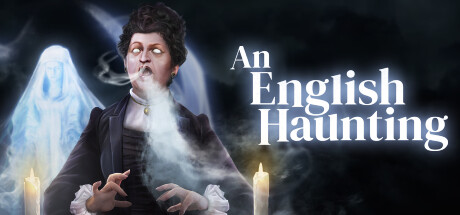
An English Haunting capsule

An English Haunting

While looking for the existence of the Great Beyond, Professor Patrick Moore, aided by a fake medium, will build a device to see the other side, embark on a search for a millenary artifact, and investigate the most haunted manor of 1907 England.

$9.79Very Positive(11)
AdventurePixel GraphicsPoint & Click
Postmodern AdventuresMay 22, 2024

An English Haunting scores 73/100 — better than 61% of Adventure capsules (n=8,231).

Very Positive (11 reviews) · $9.79 · Released May 22, 2024 · By Postmodern Adventures

Quick text summary

An English Haunting scored 73/100 on Steam Analyzer — Good for a Adventure capsule. Top priority fix: [uniqueness_polish] Introduce a distinctive visual element or character trait that signals the game's unique angle—e.g., emphasize the fake medium character, add device/artifact visuals, or incorporate a signature color accent tied to the Great Beyond concept.

Capsule scores by dimension

  • Genre Clarity: 7/10 — Gothic horror adventure clearly signaled. The central character is a 1907-era gentleman with a shocked expression, surrounded by supernatural elements—glowing eyes, spectral smoke, and lit candles—which immediately communicates a paranormal investigation theme. At tiny size, the pale face and ghostly aura are still readable as horror-adjacent, though the specific 'adventure' subgenre is less obvious without text.
  • Title Readability: 8/10 — White serif title reads cleanly. The title 'An English Haunting' uses a crisp serif typeface in white with strong contrast against the dark background and character. The layout stacks across three lines, which maintains legibility even at small size; at tiny size, the letters remain distinct due to the clean outline and strategic placement away from the character's head.
  • Contrast & Color: 8/10 — Strong value separation and silhouette. The white title and pale character face stand out sharply against the dark navy-to-black gradient background, with the lit candles and spectral glow providing warm accent points that enhance visual separation. In grayscale, the character's light clothing and illuminated features maintain clear silhouette against the deep background, aiding discoverability at any size.
  • Uniqueness & Polish: 7/10 — Period-authentic character with polish. The 3D character model is well-rendered with period-appropriate clothing and distinctive facial expression that conveys personality and story context; the supernatural effects (smoke, eye glow) are cohesive and not over-processed. The overall presentation feels intentional and polished rather than template-based, though the ghost-hunter-in-manor premise is a familiar trope in the genre.
  • Brand Consistency: 6/10 — Coherent but generically Gothic. The visual identity—Victorian-era setting, spectral atmosphere, candlelit ambiance—is internally consistent and establishes a recognizable period aesthetic. However, without access to the 12 store screenshots, this capsule reads as a solid but generic implementation of Gothic iconography rather than a standout branded identity; the character and mood are coherent but not distinctly memorable.
  • Composition: 8/10 — Balanced focal point with clear hierarchy. The character is positioned in the left-center, creating a natural focal point with the title anchoring the right side in a complementary balance; candles in the lower corners frame the scene without cluttering. The layering of background blur, midground character, and foreground lighting effects creates depth, and the title placement avoids edge collision while remaining readable at all sizes.

What works

  • Strong contrast and silhouette. The pale character and white title pop distinctly against the dark background, ensuring excellent discoverability at tiny size even in quick scroll.
  • Clear, readable serif typography. The title uses clean letterforms with good spacing and outline, maintaining legibility from full size down to tiny thumbnail without collapse.
  • Effective atmospheric layering. Background blur, lit candles, and spectral effects create visual depth and guide the eye toward the character without introducing clutter.

What hurts the capsule

  • Generic Gothic trope execution. The Victorian ghost-hunter premise is a familiar cliché in horror-adventure games, and the capsule does not communicate a unique hook or distinctive selling point.
  • Limited brand identity signals. The visual presentation lacks a memorable character quirk, signature palette, or iconic motif that would distinguish it from other period-horror adventures.

Priority fixes

  1. [uniqueness_polish] Introduce a distinctive visual element or character trait that signals the game's unique angle—e.g., emphasize the fake medium character, add device/artifact visuals, or incorporate a signature color accent tied to the Great Beyond concept.
  2. [brand_consistency] Establish a recognizable motif or symbol (artifact, rune, scientific device) that appears consistently across marketing materials to build brand recall beyond the generic haunted-manor setup.

Store copy priority fixes

  1. [hook_strength] Rewrite the short description to lead with an emotional hook ('Uncover the secrets of the supernatural before your department is shut down forever') rather than a plot summary, placing the gameplay objective before backstory.
  2. [feature_communication] Add a sentence explaining how the Box of Revelations device works and how the player uses it to solve puzzles or progress the story, clarifying the core mechanic.
  3. [audience_targeting] Insert a single sentence specifying the intended player type: 'Perfect for fans of narrative-driven point-and-click adventures who love historical mystery and literary horror' or similar.
  4. [uniqueness] Consolidate the optional content paragraph into a single, stronger differentiator: 'Control real historical figures like Houdini and Conan Doyle to solve mysteries,' making it a unique mechanic rather than flavor.

Related guides

Steam app ID: 2474030 · Tags: Adventure, Pixel Graphics, Point & Click, 2D, Third Person