Scoring genre clarity...
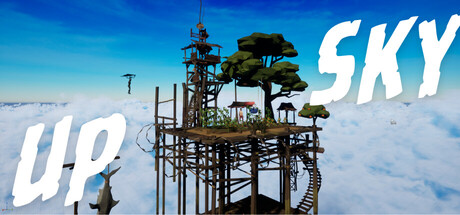
UP TO THE SKY capsule

UP TO THE SKY

Up to the clouds, fight for survival! Scavenge resources, build your aerial home layer by layer, and become self-sufficient through farming and husbandry to create your own sky sanctuary. Climb ever upward in search of the legendary "Pure Land" above the clouds.

$3.992 user reviews
SurvivalBuildingOpen World
Yiko GamesApr 23, 2026

UP TO THE SKY scores 70/100 — better than 32% of Survival capsules (n=1,799).

2 user reviews · $3.99 · Released Apr 23, 2026 · By Yiko Games

Quick text summary

UP TO THE SKY scored 70/100 on Steam Analyzer — Good for a Survival capsule. Top priority fix: [uniqueness_polish] Add a distinctive visual hook such as a character silhouette, creature, or signature color accent that differentiates the game from generic sky-island tropes and creates instant recognition.

Capsule scores by dimension

  • Genre Clarity: 7/10 — Sky-building survival core message clear. The floating platform structures, scaffolding, and tower composition immediately suggest vertical building and exploration mechanics. The aerial clouds background and upward-directed visual flow communicate adventure and discovery clearly at full size. At tiny size, the silhouette of the stacked platforms still reads as construction-based gameplay, though genre specifics (farming, husbandry) are not visually explicit and could be mistaken for pure action-adventure.
  • Title Readability: 8/10 — Large bold text readable at all sizes. The title 'UP TO THE SKY' uses large, high-contrast white text with italicized, dynamic letterforms positioned on the right side of the composition against open sky. The text remains clearly legible even at tiny size due to scale, weight, and clean placement. Minor issue: the italics add style but reduce small-size crispness slightly, though impact is minimal.
  • Contrast & Color: 8/10 — Strong light-dark separation with vibrant sky. White title text pops distinctly against the blue-to-cyan gradient sky and dark silhouetted platform structures create clear layering and depth separation. The grayscale squint test shows strong value differentiation between foreground platforms and background clouds. This maintains excellent edge definition at small sizes and would stand out well on the Steam dark background.
  • Uniqueness & Polish: 6/10 — Competent visual execution, generic concept. The floating island and scaffolding tower concept communicates the core loop effectively but echoes common sky-island tropes seen in games like Stray Gods or similar indie titles. The craft is clean—platform silhouettes are well-rendered and the composition is intentional—but the scene lacks a distinctive hook or character that would make it memorable against similar indie adventure games. The ascending tower structure is thematically sound but visually predictable for the genre.
  • Brand Consistency: 6/10 — Coherent but not yet iconic identity. The color palette (cyan-blue sky, warm weathered browns on platforms, white text) is internally consistent across the visible capsule and communicates a cohesive 'sky sanctuary' theme. However, without visibility of the 12 store screenshots referenced, the capsule does not yet show a signature visual motif, character, or symbol that would create immediate brand recall. The rendering style is unified but does not establish a memorable identity marker distinct from other early-access indie survival builders.
  • Composition: 7/10 — Clear focal point, solid layering depth. The central tower platform structure anchors attention as the primary subject, with background clouds providing context and foreground elements creating depth layering. Title placement on the right preserves the central visual focus without cluttering the composition. At tiny size, the stacked platform silhouette remains the clear focal point, though some mid-level scaffold detail becomes muddy and loses definition.

What works

  • Strong contrast and readability of title. Large white italicized text stands out clearly against the sky gradient at all viewing sizes, from full to tiny.
  • Clear vertical composition reinforces theme. The ascending tower and upward visual flow naturally communicate the core 'climb to the sky' mechanic and narrative goal.
  • Well-defined silhouette hierarchy. Platform structures in dark silhouette separate cleanly from bright background, maintaining legibility even at small thumbnail size.

What hurts the capsule

  • Generic sky-island concept lacks distinction. The floating platform + scaffolding setup is visually common in indie survival-adventure games and does not immediately stand out against genre benchmarks.
  • No visible character or signature element. The capsule shows only architecture and environment; the absence of a player character, mascot, or iconic motif reduces memorable brand identity.
  • Mid-level detail obscures at small sizes. Scaffold complexity and smaller structural elements collapse into muddy silhouettes when squinted or viewed at tiny size, reducing visual clarity.

Priority fixes

  1. [uniqueness_polish] Add a distinctive visual hook such as a character silhouette, creature, or signature color accent that differentiates the game from generic sky-island tropes and creates instant recognition.
  2. [composition] Simplify mid-level scaffold detail or adjust contrast to ensure platform structure remains readable at tiny thumbnail size; test legibility at 120x45 and adjust detail density accordingly.
  3. [brand_consistency] Establish and reinforce a signature visual motif or character icon across the capsule that will carry brand identity forward across store page assets and marketing materials.

Store copy priority fixes

  1. [hook_strength] Lead the short description with the core catastrophe and vertical survival mechanic: 'A toxic miasma has poisoned the surface. You must climb ever upward, building your sanctuary layer by layer in the clouds above.' This frontloads the unique premise.
  2. [feature_communication] Add a dedicated sentence or subsection explaining creature raising mechanics: what creatures are available, how they contribute to survival (food, labor, companionship), and how they interact with farming or other systems.
  3. [audience_targeting] Add clarity on progression pace and difficulty: mention whether the game has a campaign arc, sandbox mode, or survival difficulty options to help players self-identify.
  4. [uniqueness] Strengthen the creature collector angle by contrasting it with other survival games: 'Unlike traditional base-builders, creatures adapt to high-altitude conditions and unlock unique survival advantages' or similar.

Related guides

Steam app ID: 2497150 · Tags: Survival, Building, Open World, Indie, Runner