Scoring genre clarity...
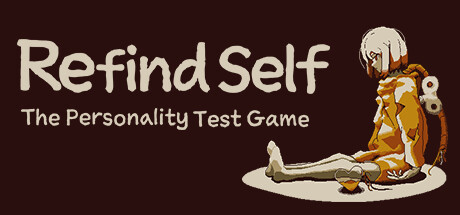
Refind Self: The Personality Test Game capsule

Refind Self: The Personality Test Game

Games can really show someone's personality, don't you think? By way of a simple exploration-based adventure, this data-science game analyzes your actions to estimate your personality.

$5.59Very Positive(34)
Interactive FictionFemale ProtagonistVisual Novel
LizardryNov 13, 2023

Refind Self: The Personality Test Game scores 65/100 — better than 19% of Interactive Fiction capsules (n=1,066).

Very Positive (34 reviews) · $5.59 · Released Nov 13, 2023 · By Lizardry

Quick text summary

Refind Self: The Personality Test Game scored 65/100 on Steam Analyzer — Solid for a Interactive Fiction capsule. Top priority fix: [genre_clarity] Add a subtle environmental or UI element that clearly signals exploration mechanics (e.g., a map fragment, compass, or questlog icon) to anchor the adventure genre more distinctly.

Capsule scores by dimension

  • Genre Clarity: 5/10 — Ambiguous genre signals. The character pose and sitting position suggest relaxation or contemplation, which aligns with a personality/introspection game, but the visual style and mechanical appearance of the character could imply sci-fi or puzzle mechanics rather than exploration-adventure. At tiny size, the genre intent becomes unclear—it reads as a stylized character game but lacks clear exploration or adventure iconography that would cement the genre.
  • Title Readability: 8/10 — Clear title, readable tagline. The primary title 'Refind Self' is large, well-spaced, and uses a clean sans-serif that remains readable at small size. The tagline 'The Personality Test Game' is positioned below in smaller but legible type on the dark background. At tiny size the title holds but the tagline becomes difficult to parse, though the main title survives the squeeze well.
  • Contrast & Color: 7/10 — Good separation, warm palette focus. The cream/beige text and character stand out clearly against the dark maroon-brown background, creating strong value separation. The orange and yellow tones of the character's outfit provide warm accent contrast that guides the eye. However, the character's muted cream-colored skin and clothing blend slightly at tiny size, reducing silhouette clarity when squinting.
  • Uniqueness & Polish: 6/10 — Solid craft, mild personality game cliché. The character illustration is well-executed with thoughtful detail—the sitting pose, patterned outfit, and mechanical/organic hybrid design suggest introspection and data themes. The execution is polished and intentional, but the visual hook of a seated figure in contemplative pose is a common trope for personality/psychology games and doesn't feel distinctly memorable compared to stronger indie capsules.
  • Brand Consistency: 6/10 — Coherent but generic visual language. The palette, illustration style, and character design are internally consistent and show a unified art direction across the capsule. However, there are no iconic visual markers, signature motifs, or distinctive brand signals that would make this game immediately recognizable at a glance across other marketing materials—it reads as a competent but standard indie personality game aesthetic.
  • Composition: 7/10 — Clear hierarchy, safe layout. The composition uses a strong left-to-right flow with title on the left and character on the right, creating natural balance and clear focal hierarchy. The character occupies the right prime real estate while text anchors the left, preventing clutter. At tiny size this layout survives well, though the character's seated pose takes up vertical space inefficiently for small viewport legibility.

What works

  • Title typography and placement. Clean sans-serif 'Refind Self' is large and readable at all sizes, with excellent contrast against the dark background and strategically positioned away from character elements.
  • Character design polish. The illustration shows intentional craft with thoughtful details in pattern, posture, and hybrid design language that communicates introspection and data themes effectively.
  • Value contrast and background strategy. Dark maroon background provides excellent isolation for cream and orange tones, creating a clean read even at small size without competing visual noise.

What hurts the capsule

  • Genre ambiguity at tiny size. The visual language doesn't clearly signal 'exploration-based adventure' or 'personality analysis game'—it reads as generic stylized character without distinctive gameplay type cues.
  • Generic personality game aesthetic. The sitting contemplation pose and soft illustration style lean heavily into overused visual tropes for psychology/personality games, reducing memorability and distinctiveness.
  • Silhouette clarity at small sizes. The muted cream-on-beige color relationships within the character design lose definition when reduced, making the figure appear slightly muddy at tiny thumbnail size.

Priority fixes

  1. [genre_clarity] Add a subtle environmental or UI element that clearly signals exploration mechanics (e.g., a map fragment, compass, or questlog icon) to anchor the adventure genre more distinctly.
  2. [uniqueness_polish] Introduce a visual hook specific to the data-science/personality-analysis mechanic—consider adding abstract data visualization, graph overlays, or personality type iconography that differentiates this from generic personality game visuals.
  3. [contrast_color] Increase the saturation or value separation of the character's outfit colors, particularly the orange tones, to maintain silhouette clarity and pop at tiny thumbnail size.

Store copy priority fixes

  1. [hook_strength] Replace 'data-science game analyzes your actions' with a more emotionally resonant phrase like 'this game learns who you really are through the choices you make' to strengthen the personal connection in the short description.
  2. [feature_communication] Complete or remove the 'Examples of Possible Personalities' section—either show sample personality types or clarify what players will receive as results to set expectations.
  3. [audience_targeting] Add one sentence clarifying the balance between story and mechanics: e.g., 'Experience a sci-fi narrative while your unique playstyle reveals your true personality' to help players understand what to expect.
  4. [tone_match] Revise 'data-science game' to 'personality adventure' or 'self-discovery game' to maintain the warm, inviting tone established in the opening question rather than shifting to technical language.

Related guides

Steam app ID: 2514960 · Tags: Interactive Fiction, Female Protagonist, Visual Novel, Adventure, Story Rich