Scoring genre clarity...

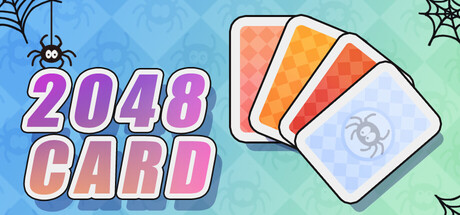
2048card capsule

2048card

A card number game,Drag the number card, and two identical number cards will be combined to form a brand new number card

$1.991 user reviews
StrategySolitaireCasual
TG studioJan 21, 2026

2048card scores 70/100 — better than 28% of Strategy capsules (n=5,103).

1 user reviews · $1.99 · Released Jan 21, 2026 · By TG studio

Quick text summary

2048card scored 70/100 on Steam Analyzer — Good for a Strategy capsule. Top priority fix: [uniqueness_polish] Introduce a distinctive visual element—iconic mascot character, signature motif, or visual hook (e.g., glowing number symbol, unique card design) that separates 2048 Card from generic puzzle game aesthetics and creates memorable brand identity.

Capsule scores by dimension

  • Genre Clarity: 8/10 — Clear card game mechanics. The capsule immediately communicates a card-based casual game through the prominent playing cards on the right side and the bold '2048' number styling suggesting a number-merging mechanic. At tiny size, the orange and red gradient cards remain recognizable as the core visual hook, though the exact 2048 card game mechanic is clearer at larger sizes. The spider web and pastel gradient background reinforce a light, playful casual game atmosphere without genre confusion.
  • Title Readability: 7/10 — Good legibility with minor compression. The title '2048 CARD' uses a bold purple and pink double-outlined font with strong contrast against the light cyan background, reading clearly at full and small sizes. At tiny size (120x45), the text compresses but remains identifiable due to the thick outline and bright saturation. The decorative styling is legible rather than ornate, though the gradient fill loses some definition at extreme reduction.
  • Contrast & Color: 8/10 — Excellent value separation and saturation. The purple/pink title pops strongly against the cyan-to-green gradient background, with clear luminance separation that survives grayscale conversion. The playing cards on the right use orange, red, and light blue tones that create distinct visual layers with clean white outlines for silhouette definition. At tiny size, the warm card colors remain distinct from the cool background, ensuring readability during quick scroll.
  • Uniqueness & Polish: 6/10 — Competent casual aesthetic, limited distinctiveness. The design executes a clean, colorful casual game look with smooth gradients, outlined typography, and well-rendered playing cards that feel polished. However, the pastel gradient background and playful card imagery are fairly common in indie puzzle games, and the visual treatment doesn't communicate a memorable unique selling point beyond 'card number game.' Compared to top performers like Balatro (distinctive art style and character presence) or Dave the Diver (iconic visual hook), this lacks a distinctive visual identity or storytelling element.
  • Brand Consistency: 6/10 — Minimal identity cues present. The capsule establishes a playful, colorful brand tone with the pastel gradient, outlined card designs, and cheerful typography, but lacks recognizable signature motifs, iconic characters, or a distinctive visual shorthand for later recognition. The design is internally consistent in its use of soft gradients and outlined elements, but does not signal a specific brand identity beyond 'casual puzzle game' without additional context. No memorable symbol, palette lock, or visual trademark is evident.
  • Composition: 7/10 — Clear hierarchy with balanced spacing. The title occupies the left side with strong focal prominence, while the three stacked playing cards on the right provide a secondary focus that complements rather than competes. The layout respects safe margins and uses the gradient background as a unified foundation without dead space or awkward gaps. At small and tiny sizes, the two elements—text and cards—maintain clear separation and do not merge into visual noise, though the card details (suit symbols) become less visible at extreme reduction.

What works

  • Strong title contrast. Purple-pink outlined text reads clearly against cyan-green background at all sizes including tiny thumbnail.
  • Recognizable game mechanic communication. Playing cards with number styling immediately signal a card-merging game, reducing ambiguity about gameplay type.
  • Cohesive visual polish. Smooth gradients, consistent outlines, and clean rendering create a professional casual game aesthetic.

What hurts the capsule

  • Generic design language. Pastel gradient background and styled cards are common across multiple indie puzzle games, offering limited distinctiveness.
  • No memorable brand identity. Lacks iconic character, signature symbol, or recognizable visual shorthand for brand recall compared to top peers.
  • Limited storytelling or hook. Visual composition communicates 'fun card game' generically without a unique selling point or core mechanic differentiation.

Priority fixes

  1. [uniqueness_polish] Introduce a distinctive visual element—iconic mascot character, signature motif, or visual hook (e.g., glowing number symbol, unique card design) that separates 2048 Card from generic puzzle game aesthetics and creates memorable brand identity.
  2. [brand_consistency] Develop a recognizable color palette or signature rendering style (beyond standard gradients) that could be applied consistently across future marketing materials and store screenshots to build brand cohesion.
  3. [genre_clarity] Add subtle UI elements (e.g., '+' symbol, merge arrow, or score counter visual) to reinforce the 2048 merging mechanic at tiny size without cluttering composition.

Store copy priority fixes

  1. [hook_strength] Rewrite the short description to lead with the emotional or strategic appeal: 'Combine matching number cards in an elegant puzzle where every move counts' or similar, avoiding the word 'drag' and the generic 'A card number game' opener.
  2. [feature_communication] Expand the detailed description to at least 150–200 words and explain the core loop: how turns work, what wins the game, whether there are power-ups or obstacles, and how the card format differs from the original 2048.
  3. [uniqueness] Add a sentence explicitly differentiating this from the original 2048 and other clones: 'The card layout creates new strategic depth because…' or 'Unlike the grid-based original, this version allows…'
  4. [audience_targeting] Include emotional or lifestyle language that resonates with casual puzzle players: 'Perfect for a relaxing coffee break' or 'For players who love solitaire and turn-based strategy' to help the right audience self-identify.

Related guides

  • Steam page optimisationCapsule, copy, screenshots, tags — the full Steam page conversion stack.
  • Steam tags guideTag selection, ordering, and how it shapes Steam's recommendation rails.

Steam app ID: 3007900 · Tags: Strategy, Solitaire, Casual, Card Game, 2D