Scoring genre clarity...

Disposition capsule

Disposition

Disposition is an escape-room-inspired game about strategic memory placement. You go through a sequence of engaging tasks where you must detect anomalies and observe details, all while being timed.

$0.999 user reviews
AdventureSimulationWalking Simulator
Astro HoundMay 27, 2025

Disposition scores 62/100 — better than 3% of Adventure capsules (n=7,922).

9 user reviews · $0.99 · Released May 27, 2025 · By Astro Hound

Quick text summary

Disposition scored 62/100 on Steam Analyzer — Solid for a Adventure capsule. Top priority fix: [genre_clarity] Replace the blurred generic bottles with a visual that explicitly communicates the core anomaly-detection or memory-placement mechanic—such as a hand hovering over mismatched objects, a grid of items with one wrong detail, or a stopwatch overlaid on observation cues.

Capsule scores by dimension

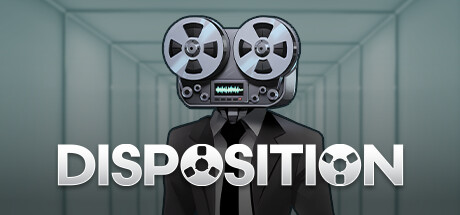
  • Genre Clarity: 5/10 — Ambiguous gameplay type signaling. The capsule shows bottles in a blurred background with controller icons integrated into the title, which hints at a puzzle or observation game but doesn't clearly communicate escape-room mechanics or memory-based gameplay. At tiny size, the bottles become indistinguishable and the controller symbols read as generic gaming branding rather than genre-specific iconography. The visual composition fails to convey the core mechanic of anomaly detection or strategic memory placement that defines the game.
  • Title Readability: 8/10 — Strong readable title with clever integration. The white 'DISPOSITION' text is bold, well-spaced, and maintains excellent legibility at all sizes including tiny, with the controller symbols cleverly replacing the O letters. The title sits on a dark background region that ensures clean separation and avoids competing texture. At small and tiny sizes, the text and controller icons remain clearly readable and distinctive.
  • Contrast & Color: 7/10 — Solid light-dark separation with minor issues. The white title pops cleanly against the dark #1b2838 background with strong value contrast, and the white controller symbols maintain visibility at all sizes. The blurred bottle background in cool greens and browns creates atmospheric depth but introduces some muddy mid-tones that reduce overall silhouette clarity. In grayscale, the title and icons remain well-separated, though the background lacks crisp edge definition.
  • Uniqueness & Polish: 6/10 — Competent but generic visual presentation. The clever integration of controller symbols into the title letters shows intentional design thinking and polished typography, but the blurred bottle still-life background feels safe and generic for an indie puzzle game. The concept doesn't visually communicate what makes Disposition unique—its memory placement, anomaly detection, or timed challenge mechanics—leaving it indistinguishable from other escape-room or puzzle titles. The craft is clean but the distinctive hook is missing.
  • Brand Consistency: 5/10 — Limited identity cues without memorable motif. The capsule lacks a distinctive character, icon, or signature visual motif that would be recognizable across other store pages or marketing materials. The controller symbols in the title are the only consistent branding element visible, but they feel like generic gaming notation rather than a unique brand identity. Without access to the five screenshots mentioned, the internal cohesion appears functional but unmemorable and not iconic enough to build brand recognition.
  • Composition: 6/10 — Centered layout with unclear visual hierarchy. The title is centered horizontally with the blurred bottles providing atmospheric background, creating balanced but undynamic composition with no clear focal point hierarchy. The bottles occupy most of the frame but blur excessively, making them feel like decorative filler rather than a purposeful subject guiding attention. At tiny size, the composition flattens into an unclear smear of color behind the text, and there is wasted real estate in the lower portion of the frame with no supporting visual interest.

What works

  • Excellent title legibility and clever symbol integration. The white 'DISPOSITION' text with controller icons replacing O letters reads clearly at all sizes and demonstrates intentional, polished typography design.
  • Strong contrast against Steam dark background. White text and symbols create excellent value separation that ensures readability even during quick scroll at small and tiny sizes.
  • Professional typography and spacing. The letterforms are clean, well-kerned, and maintain structural integrity across all viewing sizes without collapsing.

What hurts the capsule

  • Generic blurred bottle background lacks gameplay clarity. The atmospheric still-life doesn't communicate the core mechanic of memory placement, anomaly detection, or timed puzzle-solving that define the game.
  • No distinctive visual identity or memorable motif. The capsule lacks a signature character, symbol, or palette cue that would make the game recognizable or stand out against competitor indie titles.
  • Ambiguous genre signaling at thumbnail size. At tiny size, the blurred bottles become indistinguishable and the composition reads as generic puzzle or simulation branding without clear escape-room or memory-game cues.
  • Compositional imbalance with wasted lower frame space. The bottle subject doesn't create a strong focal point hierarchy, and the lower portion of the capsule contains no supporting visual interest or depth layering.

Priority fixes

  1. [genre_clarity] Replace the blurred generic bottles with a visual that explicitly communicates the core anomaly-detection or memory-placement mechanic—such as a hand hovering over mismatched objects, a grid of items with one wrong detail, or a stopwatch overlaid on observation cues.
  2. [uniqueness_polish] Develop a distinctive visual signature or character motif that appears consistently across marketing materials—consider an iconic observation device, a memorable puzzle grid pattern, or a stylized silhouette that represents strategic thinking.
  3. [composition] Restructure the layout to create a clear primary focal point in the upper-middle frame with supporting visual elements that guide the eye, ensuring the composition remains readable and engaging at small and tiny sizes.
  4. [brand_consistency] Integrate visual elements from the game's five store screenshots into the capsule design to create internal cohesion and ensure players see a unified brand identity across all store pages.

Store copy priority fixes

  1. [hook_strength] Rewrite the opening to lead with a specific, visceral hook: 'You have 10 seconds to memorize a room. Then you must place objects back where they belong—perfectly, or start over.' This leads with tension, not atmosphere.
  2. [uniqueness] Add a concrete differentiator after 'escape-room-inspired game': explain what makes this memory challenge unique compared to other observation games (e.g., 'combines roguelike failure states with leaderboard speed-running' or 'uses randomized room layouts to prevent memorization strategies').
  3. [feature_communication] Replace three of the six redundant features with concrete, distinct mechanics: specify what types of objects, how the timer escalates, or how difficulty increases across the ten placements.
  4. [audience_targeting] Add one sentence clarifying intended intensity level and player type: 'Perfect for puzzle speedrunners seeking a brutal, skill-based challenge' or 'Ideal for casual players wanting a relaxing memory exercise,' depending on actual design intent.

Related guides

Steam app ID: 3051480 · Tags: Adventure, Simulation, Walking Simulator, Physics, Exploration