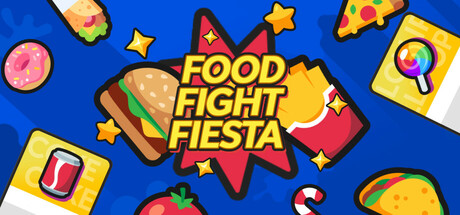
Food Fight Fiesta: Multi-Use Cards scores 72/100 — better than 41% of Roguelike capsules (n=2,445).

Quick text summary

Food Fight Fiesta: Multi-Use Cards scored 72/100 on Steam Analyzer — Good for a Roguelike capsule. Top priority fix: [uniqueness_polish] Add a visual representation of the multi-use card mechanic (e.g., a card splitting into attack/heal icons or a hamburger with dual symbols) to communicate the core gameplay hook and differentiate from generic food games.

Capsule scores by dimension

  • Genre Clarity: 7/10 — Card-based strategy game clear. The colorful food items arranged in a border pattern and central card-game logo with a burger icon immediately signal a casual strategy or card-based game about food. At tiny size, the food icons and 'FOOD FIGHT FIESTA' text are still readable enough to convey it's a playful card game, though the multi-use mechanic (heal/attack) is not visually communicated. The bright, vibrant presentation reads as arcade-style strategy rather than a hardcore tactical game.
  • Title Readability: 8/10 — Bold yellow text highly legible. The title 'FOOD FIGHT FIESTA' uses large, bright yellow letters with a red/orange outline and star burst shape behind it, creating strong contrast against the blue background. The letterforms remain readable at small and tiny sizes due to weight and color separation. At tiny size (120x45), the text is still distinguishable, though individual letter detail softens slightly—the outline thickness is strategic and preserves legibility across all viewing scales.
  • Contrast & Color: 8/10 — Vibrant saturation pops well. The saturated food items (yellows, reds, greens, pinks) create strong value and hue separation against the deep blue background (#1b2838 equivalent). The yellow title with red outline has excellent contrast and remains visible even at tiny size. In grayscale mental test, the mid-tones of the food items still show clear silhouettes against the dark blue, though some pink/magenta items lose slight definition—overall composition passes the contrast stress test.
  • Uniqueness & Polish: 6/10 — Competent casual style, generic execution. The design uses a clean, colorful sticker aesthetic that is charming and intentional, with consistent illustrative food items and bold typography. However, the border arrangement and central logo layout is a common template pattern for party/arcade games, lacking a distinctive visual hook or mechanic communication that signals what makes this card game unique. The polish is solid but the core concept (food icons + title) feels familiar rather than memorable or differentiating.
  • Brand Consistency: 6/10 — Consistent art style, limited identity. The food illustrations maintain consistent cartoon rendering style, outline weight, and shadow treatment across all items, showing internal cohesion. The bright color palette and playful sticker aesthetic is cohesive and recognizable. However, without access to the 21 store screenshots, the capsule lacks a strong iconic symbol or signature motif beyond generic food items; the brand identity is functional but not highly distinctive or memorable for repeat recognition.
  • Composition: 8/10 — Clear hierarchy, smart frame balance. The title placement in the center-upper area creates a natural focal point, with food items arranged in a balanced border frame that guides the eye inward without clutter. At small and tiny sizes, the central logo and title remain the primary read while the food border provides visual interest without competing for attention. The composition respects safe margins and the border layout is crop-resilient, with no critical elements dangerously close to edges.

What works

  • Title legibility across all sizes. Yellow text with red outline and thick letterforms remains readable at tiny size due to strategic contrast and weight.
  • Strong color separation from background. Saturated food items and yellow title create excellent value contrast against the dark blue, ensuring quick visual recognition during a scroll.
  • Balanced, uncluttered composition. Border frame with centered logo creates clear hierarchy and focal point without scattered attention or dead space.
  • Consistent illustrative polish. Food items maintain unified rendering style, outline weight, and shadow treatment, showing craft and internal cohesion.

What hurts the capsule

  • Generic visual identity. The composition and layout feel like a common template for party/arcade games rather than unique to Food Fight Fiesta's core mechanic of multi-use cards.
  • Mechanic not visually communicated. The heal/attack dual-use card concept is nowhere apparent in the capsule—only food items and a title, missing the key gameplay hook.
  • Limited brand distinctiveness. Food items are generic stickers with no iconic character, motif, or signature element that would make this capsule recognizable in repeat browsing.

Priority fixes

  1. [uniqueness_polish] Add a visual representation of the multi-use card mechanic (e.g., a card splitting into attack/heal icons or a hamburger with dual symbols) to communicate the core gameplay hook and differentiate from generic food games.
  2. [brand_consistency] Introduce a signature character, mascot, or iconic motif (e.g., a recurring enemy or card design element) that could serve as a brand identity anchor and improve recall.
  3. [genre_clarity] Consider adding subtle UI elements (card corners, a deck indicator, or battle-like visual cue) to reinforce that this is a strategic card game, not just a food-themed casual game.

Store copy priority fixes

  1. [audience_targeting] Add one sentence explicitly welcoming casual or family players: 'Funny, accessible mechanics make this fun for both strategy veterans and newcomers alike' or similar, to reflect the Funny tag and Family Sharing category.
  2. [feature_communication] Include one concrete synergy example in the detailed description to show what 'synergy with 2 cards' actually looks like in gameplay (e.g., 'Pair Apple + Momentum to attack twice in one turn').
  3. [tone_match] Rewrite the bullet-point section to match the direct, mechanical tone of the opening: replace 'Highly Strategic' with 'Optimize attack, defense, position, or card advantage', and 'Number Goes Up' with 'Scale your deck's power from early game to late-game dominance'.
  4. [hook_strength] Add a parenthetical or sentence after '13 challenging levels' clarifying what happens after: 'climb a procedurally generated gauntlet, unlock prestige modes, or endless runs' to enhance replayability signals.

Related guides

Steam app ID: 3120880 · Tags: Roguelike, Deckbuilding, Minimalist, Procedural Generation, Card Game