What's On The Menu? scores 70/100 — better than 22% of Management capsules (n=1,996).

Quick text summary

What's On The Menu? scored 70/100 on Steam Analyzer — Good for a Management capsule. Top priority fix: [title_readability] Switch to a clean sans-serif or slightly bolder italic font with higher contrast white outline to preserve legibility at tiny thumbnail size.

Capsule scores by dimension

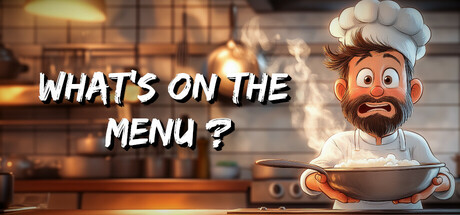
  • Genre Clarity: 8/10 — Clear restaurant management theme. The chef character in white hat and apron holding a cooking pot immediately signals culinary/restaurant simulation gameplay. The warm kitchen background with stove and cooking elements reinforce the restaurant manager genre convention. At tiny size, the chef silhouette and pot remain recognizable, though the exact subgenre (management vs. cooking) could be slightly clearer from UI elements alone.
  • Title Readability: 7/10 — Legible italic text, minor small-size fade. The title 'WHAT'S ON THE MENU?' uses white italic lettering with a subtle outline that provides decent contrast against the warm background. At small and tiny sizes, the italic style maintains basic legibility but the fine serifs begin to blur slightly, and the question mark can feel cramped. The text placement in the upper-left to center avoids the chef character, creating a functional hierarchy.
  • Contrast & Color: 7/10 — Warm glow reads well, subject pops. The chef character features warm orange and tan tones that stand out clearly against the darker blurred background. The bright white chef hat and the pot create natural focal point separation. Against the Steam dark background (#1b2838), the warm interior lighting creates sufficient value contrast, though the overall palette leans warm and could benefit from slightly more stark silhouette definition at tiny thumbnail size.
  • Uniqueness & Polish: 7/10 — Appealing character, well-rendered scene. The 3D chef character is charming and well-modeled with personality in the facial expression and pose. The kitchen environment background shows thoughtful detail and professional rendering quality. However, the scene feels somewhat expected for a restaurant management game—the visual hook is solid but not particularly distinctive compared to other simulation titles like Supermarket Simulator or TCG Card Shop Simulator.
  • Brand Consistency: 6/10 — Competent but generic visual identity. The warm, cheerful 3D art style is consistent and professional, suggesting a lighthearted management experience. The chef character could serve as a recognizable mascot, but there are no strong signature visual motifs, color schemes, or design elements that feel uniquely 'What's On The Menu?'. Without seeing other promotional materials, the visual identity reads as pleasant but not particularly memorable or distinctive.
  • Composition: 7/10 — Clear focal point, safe title placement. The chef character occupies the right-center area with the pot as a secondary focal point, creating a natural hierarchy. The title text sits safely in the upper-left quadrant, avoiding overlap with the character. The blurred kitchen background provides depth and context without competing for attention. The composition remains readable at small and tiny sizes, though the supporting kitchen details fade somewhat at thumbnail scale.

What works

  • Strong character appeal. The cheerful 3D chef with expressive features and clear visual pose immediately communicates the restaurant management theme and creates an approachable, friendly brand tone.
  • Effective focal point hierarchy. The chef and pot occupy dominant visual real estate while the title sits safely to the side, creating clear eye guidance that works well even at small sizes.
  • Adequate contrast readability. The warm interior lighting and white text create sufficient separation against the dark Steam background for quick recognition during scrolling.

What hurts the capsule

  • Generic visual identity. The scene lacks distinctive brand markers or signature visual elements that would make 'What's On The Menu?' recognizable beyond the immediate context of this capsule.
  • Italic text compromises tiny legibility. The stylized italic typeface becomes harder to parse at thumbnail size, with serifs and letter spacing losing clarity in quick-scroll conditions.
  • Warm palette may reduce silhouette clarity. The overall warm color temperature in the background and character blends somewhat together, reducing stark contrast edges that would help at ultra-small sizes.

Priority fixes

  1. [title_readability] Switch to a clean sans-serif or slightly bolder italic font with higher contrast white outline to preserve legibility at tiny thumbnail size.
  2. [contrast_color] Add a subtle dark shadow or outline to the chef character to increase silhouette separation and ensure the figure reads distinctly at 120x45 dimensions.
  3. [uniqueness_polish] Introduce a signature visual element—such as a unique menu design, restaurant logo, or distinctive color accent—that becomes recognizable as brand identity across future marketing materials.

Store copy priority fixes

  1. [uniqueness] Add 1–2 sentences in the short description that articulate what makes this restaurant sim different—e.g., a unique setting, mechanic, or theme (is there narrative, a gimmick, or a standout art style?) that would make a player choose this over competing titles.
  2. [feature_communication] Clarify the gameplay tempo and loop in the detailed description—specify whether the game is real-time or turn-based, how long a playthrough takes, and what the moment-to-moment gameplay feels like (e.g., 'manage your restaurant in real-time as orders come in' or 'plan your week and automate tasks').
  3. [hook_strength] Rewrite the opening of the short description to lead with a specific, evocative hook rather than the generic 'step into the shoes of' framing—consider opening with the core appeal or a surprising twist (e.g., 'Build a restaurant empire from scratch, then face chaos when random events turn the heat up').

Related guides

Steam app ID: 3197560 · Tags: Management, Cooking, Simulation, Strategy, Building