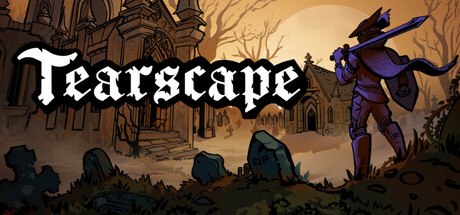
Tearscape scores 75/100 — better than 67% of Souls-like capsules (n=429).

Quick text summary

Tearscape scored 75/100 on Steam Analyzer — Good for a Souls-like capsule. Top priority fix: [uniqueness_polish] Introduce a distinctive visual signature—a unique weapon silhouette, character outfit accent, or environmental element—that sets Tearscape apart from generic dark action-adventures and creates a memorable brand hook.

Capsule scores by dimension

  • Genre Clarity: 8/10 — Dark action-adventure clearly communicated. The pixel art character in combat pose, grotesque purple enemy, ruined architecture, and dark atmospheric setting immediately signal an action-adventure dungeon crawler. The silhouette of the armored hunter against the desolate landscape reads as a combat-focused game even at tiny size, though the exact subgenre depth is less clear without larger context.
  • Title Readability: 8/10 — Strong white title, excellent legibility. The white 'Tearscape' text with clean serif letterforms and strategic placement in the upper left maintains excellent contrast against the warm brown background and remains readable at small and tiny sizes. The title sits on a relatively controlled region away from the busiest visual elements, preserving clarity during quick scrolls.
  • Contrast & Color: 8/10 — Warm palette with strong value separation. The warm golden-brown background creates excellent contrast against the dark silhouetted foreground elements and the bright white title. The purple enemy and blue character armor provide cool accent pops that prevent monotony, and the grayscale test confirms clear edge separation between subject and background throughout all size reductions.
  • Uniqueness & Polish: 7/10 — Polished pixel art with distinctive mood. The hand-drawn pixel art style and atmospheric composition feel intentional and crafted rather than generic, with clear art direction showing ruins, environmental storytelling, and a cohesive visual language. However, the scene composition itself—solitary hunter in ruins against monsters—is a familiar action-adventure trope, preventing a higher score despite the solid execution.
  • Brand Consistency: 7/10 — Consistent pixel art identity established. The pixel art aesthetic, warm-brown color palette, and dark atmospheric tone create internal cohesion and appear consistent with the game's visual style based on the description. The purple enemy design and armor details suggest a recognizable art direction, though without access to the 11 store screenshots, memory hooks are limited to the overall mood rather than a specific icon or motif.
  • Composition: 7/10 — Clear focal point with layered depth. The composition uses layered depth effectively: dark foreground silhouettes, mid-ground architecture, and light background sky create visual hierarchy. The purple enemy and armored character occupy the right and upper-right areas, drawing the eye naturally, though at tiny size the composition remains readable, with the title and character silhouette serving as anchors.

What works

  • White title contrast. The white 'Tearscape' letterforms stand out clearly against the warm background and remain legible at all sizes, including tiny thumbnail view.
  • Atmospheric mood clarity. The dark ruins, lighting, and color palette immediately communicate a dark, gothic adventure tone that aligns perfectly with the game's genre and tone.
  • Character silhouette readability. The armored hunter and enemy figures maintain clear visual separation and silhouette integrity even at small sizes due to strong value contrast.
  • Layered composition depth. Foreground, mid-ground, and background elements are well-organized, creating a sense of scale and exploration without cluttering the quick-read message.

What hurts the capsule

  • Generic dungeon-crawler premise. While well-executed, the solitary armored hunter in ruins against monsters is a familiar action-adventure visual that doesn't immediately distinguish Tearscape from similar indie titles.
  • Limited iconic brand hooks. No memorable character silhouette, weapon design, or signature visual motif emerges that would make Tearscape immediately recognizable on repeat viewing.
  • Architecture detail legibility at tiny size. The intricate building details in the background collapse into visual noise at tiny thumbnail size, reducing the composition's ability to communicate environmental storytelling.

Priority fixes

  1. [uniqueness_polish] Introduce a distinctive visual signature—a unique weapon silhouette, character outfit accent, or environmental element—that sets Tearscape apart from generic dark action-adventures and creates a memorable brand hook.
  2. [genre_clarity] Consider adding a subtle UI element or visual cue (like a cracked tear effect or rune glow) that reinforces the 'Tearscape' title concept and adds thematic depth to the visual language.
  3. [composition] Simplify or enhance background architecture contrast at tiny size so environmental storytelling remains readable during quick scrolls without losing impact.

Store copy priority fixes

  1. [uniqueness] Add a sentence about what makes Tearscape's combat or progression system unique compared to other Souls-likes—e.g., specific ability interactions, stamina mechanics, or interconnected shortcuts that differentiate it from the pack.
  2. [feature_communication] Consolidate the repeated 'abilities' and 'items' language into a single clear paragraph listing core mechanics: stamina, flasks, stat upgrades, tool discovery, ability unlocks, and how they interconnect.
  3. [audience_targeting] Add explicit mention of co-op gameplay and how it changes the experience—solo vs. shared-screen co-op strategy—to signal multiplayer-focused players immediately.
  4. [tone_match] Replace generic phrases like 'emerge victorious' and 'adds depth' with atmospheric language that reinforces the Gothic pixel-art mood: 'survive the grotesque horrors,' 'uncover the twisted truth,' etc.

Related guides

Steam app ID: 3216340 · Tags: Souls-like, 2D, Exploration, Action, Top-Down