Scoring genre clarity...

Somniora: Chapter 1 capsule

Somniora: Chapter 1

Somniora is a horror-puzzle game. Get ready to delve into the adventure of our character, who is trapped amidst strange dreams, while searching for answers to the questions lurking in their subconscious.

ActionStory RichHorror
Glaskow StudiosTo be announced

Somniora: Chapter 1 scores 63/100 — better than 6% of Steam capsules we've analysed (n=22,659).

Released To be announced · By Glaskow Studios

Quick text summary

Somniora: Chapter 1 scored 63/100 on Steam Analyzer — Solid for a Steam capsule. Top priority fix: [title_readability] Add a darker drop shadow or semi-transparent backing behind the SOMNIORA logotype to ensure legibility against the red background at tiny thumbnail size.

Capsule scores by dimension

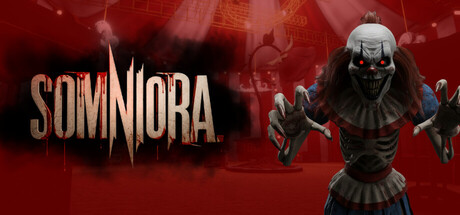
  • Genre Clarity: 8/10 — Horror genre instantly recognizable. The menacing clown character with glowing red eyes and outstretched clawed hands reads as horror immediately, even at tiny size. The deep red background with what appears to be a stage or circus environment reinforces a psychological horror or nightmare theme, aligning well with the puzzle-horror description. At tiny size the clown silhouette remains the dominant read and genre is not ambiguous.
  • Title Readability: 6/10 — Readable at full, risky at tiny. The title SOMNIORA uses a horror-stylized font with blood-drip effects on certain letters, positioned on the left side against a slightly lighter red region. At full header size the title is legible, but the decorative letterforms and mid-dark red background offer limited contrast. At tiny thumbnail size the title collapses and becomes difficult to parse, particularly the stylized N and A letterforms which blend into the dark red background.
  • Contrast & Color: 6/10 — Red palette limits separation. The dominant red and dark red palette creates strong mood but causes the clown figure, background stage elements, and overall image to merge in value at small sizes. The clown's white face and glowing red eyes provide the strongest contrast points and help anchor the subject. In grayscale the background and character mid-tones compete heavily, and the title text lacks sufficient light-dark separation from the background to pop confidently against Steam's dark #1b2838 sidebar or grid views.
  • Uniqueness & Polish: 5/10 — Generic horror tropes, competent craft. The evil clown villain is a well-worn horror trope and does not communicate a unique selling point or the puzzle-horror mechanic described in the game's premise. The 3D render of the clown appears competent but does not feel premium or distinctive compared to top-tier indie horror capsules. The blood-drip title treatment is a common genre convention and, while executed acceptably, does not elevate the capsule beyond a template horror aesthetic.
  • Brand Consistency: 6/10 — Coherent horror palette and tone. The red-dominated palette, horror typography, and clown villain establish an internal visual identity that feels consistent and intentional. However, the clown character as a brand icon is generic rather than distinctive, and without seeing the screenshots it is unclear how strongly the capsule aligns with in-game aesthetics. The circus or stage environment in the background adds a secondary identity cue, but it is too blurred and small to register at tiny size as a recognizable motif.
  • Composition: 7/10 — Clear subject, good right anchor. The clown is positioned right of center, creating a strong focal point that survives cropping at most Steam display sizes. The title sits on the left third, forming a balanced two-column layout typical of header images. At small size the clown remains the dominant visual element and the title occupies a controlled zone, though the busy red background elements behind the clown create mild clutter that reduces clarity. The outstretched arms pointing toward center help draw the eye inward effectively.

What works

  • Instant horror read. The glowing red-eyed clown communicates horror genre within under one second even at small sizes.
  • Strong focal character placement. The clown anchored to the right with arms extending inward creates a natural eye-pull toward the center of the capsule.
  • Mood-appropriate palette. The deep red background creates an oppressive horror atmosphere that is consistent with the game's nightmare premise.

What hurts the capsule

  • Title loses legibility at tiny size. The decorative blood-drip font against a similarly dark red background collapses at 120x45 and the word SOMNIORA is not cleanly readable.
  • Generic horror trope reduces uniqueness. The evil clown is one of horror's most overused figures and does not differentiate Somniora from dozens of similar indie horror titles.
  • Low contrast in grayscale. The near-monochromatic red palette means most elements share similar luminance values, causing the subject and background to merge in low-attention or grayscale conditions.
  • Puzzle mechanic not communicated. Nothing in the capsule hints at the horror-puzzle gameplay, missing an opportunity to attract the specific audience segment that prefers puzzle over pure action horror.

Priority fixes

  1. [title_readability] Add a darker drop shadow or semi-transparent backing behind the SOMNIORA logotype to ensure legibility against the red background at tiny thumbnail size.
  2. [contrast_color] Increase the luminance contrast between the clown character and the background by lightening the clown's upper body or adding a stronger rim light so the silhouette separates cleanly in grayscale.
  3. [uniqueness_polish] Introduce a visual cue that hints at the puzzle or dream mechanic, such as a surreal environmental element or symbolic motif, to differentiate the capsule from generic horror titles.
  4. [genre_clarity] Consider incorporating a secondary visual element, such as a fractured dreamscape or puzzle object, to reinforce the horror-puzzle subgenre rather than relying solely on villain character presentation.

Store copy priority fixes

  1. [hook_strength] Replace the opening line with a visceral image or emotional hook tied to Amara's nightmare world—e.g., 'Amara is trapped in a recurring nightmare, and her deepest traumas have come alive to stop her escape' instead of defining the genre.
  2. [uniqueness] Add a 1-2 sentence section explicitly contrasting Somniora's approach to trauma and dream logic—e.g., 'Unlike traditional escape narratives, Amara's progress is blocked not by locks and keys, but by psychological barriers that manifest as horrifying beings' to clarify what sets it apart.
  3. [feature_communication] Expand the 'Mechanics' section with concrete tool examples (e.g., 'a music box to calm fears,' 'a journal to piece together memories') so players understand the puzzle vocabulary and interaction model.
  4. [audience_targeting] Add a final 1-2 sentence summary targeting the intended player—e.g., 'Perfect for players seeking story-rich psychological horror with puzzle-solving and exploration over combat' to clarify ideal audience and pacing expectations.

Related guides

Steam app ID: 3235130