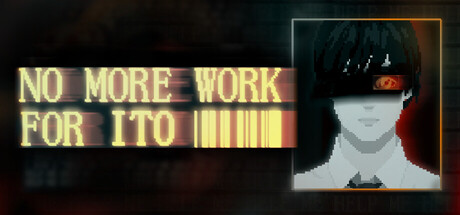
NO MORE WORK FOR ITO scores 62/100 — better than 4% of Visual Novel capsules (n=1,147).

Quick text summary

NO MORE WORK FOR ITO scored 62/100 on Steam Analyzer — Solid for a Visual Novel capsule. Top priority fix: [composition] Reduce title visual weight by moving it to a secondary position or using smaller scale; establish the character as the singular primary focal point that dominates at tiny size

Capsule scores by dimension

  • Genre Clarity: 7/10 — Psychological horror with visual novel style. The pixelated character portrait with a VN dialogue interface, combined with the ominous glowing text and dark atmosphere, clearly signals psychological horror and visual novel mechanics. At tiny size, the distorted character silhouette and eerie color palette (dark teal and orange) still read as horror-adjacent, though the specific gameplay loop remains slightly ambiguous without the context text.
  • Title Readability: 6/10 — Readable but decorative treatment. The yellow-green glowing text 'NO MORE WORK FOR ITO' is legible at full size with strong contrast against the dark background, but the decorative neon outline becomes softer and slightly harder to parse at small capsule sizes. At tiny size, the barcode-like element on the right of the title competes for attention, and the overall word spacing remains functional but loses some clarity from the glow effect degradation.
  • Contrast & Color: 7/10 — Strong value separation with effective accents. The yellow-green neon text and warm orange accent on the character portrait create distinct pops against the dark teal and near-black background. The character's face and orange glow have clear silhouette separation even at small size, though the dark clothing against the murky background slightly muddies the lower half of the composition in grayscale testing.
  • Uniqueness & Polish: 6/10 — Competent retro-horror aesthetic, generic execution. The pixelated art style and neon text treatment evoke a distinct retro-horror vibe that fits the genre, but the overall composition feels like a standard visual novel header without a memorable unique hook beyond the theme. The barcode element and glitch effects are serviceable but don't elevate the capsule above genre baseline—it communicates 'psychological horror VN' competently without surprising originality.
  • Brand Consistency: 5/10 — Limited identity signals, generic palette. The capsule uses common psychological horror tropes (glitch effects, neon text, distorted character) but lacks a distinctive visual signature or iconic motif that would make this game recognizable in a crowded indie lineup. Without reference to the 17 store screenshots, the palette and style feel familiar rather than branded—dark teal, yellow-green glow, and pixelated character portraits are common across many indie horror titles.
  • Composition: 6/10 — Unbalanced focal hierarchy, safe but flat. The character portrait on the right provides a clear focal point, but the title dominates the left side with equal visual weight, creating a split composition rather than a clear primary subject. At tiny size, the two elements (text + character) compete equally, and the barcode detail on the right edge may crop awkwardly depending on Steam's framing; the empty dark space between title and character suggests a lack of intentional layering.

What works

  • Strong neon title contrast. The yellow-green glowing text pops sharply against the dark background and remains legible even at small capsule sizes due to high value separation.
  • Genre signaling through style. The pixelated character art combined with VN interface hints and dark atmosphere immediately communicates psychological horror intent to the target audience.
  • Clear character focal point. The character portrait on the right with orange glow accent creates a recognizable silhouette that anchors the composition and draws the eye at quick glance.

What hurts the capsule

  • Unfocused composition hierarchy. The title and character portrait compete equally for attention, creating a split focal point rather than a clear primary subject that reads at tiny size.
  • Generic horror aesthetic without signature. The neon glitch, distorted character, and dark palette are common indie horror tropes that don't communicate a unique brand identity or memorable visual hook.
  • Barcode element clutters right edge. The decorative barcode-like bars on the right margin add visual noise and risk cropping awkwardly on certain platforms without contributing meaningfully to genre clarity or story hook.
  • Dark character clothing dissolves into background. In grayscale contrast testing, the character's body and dark clothing blend into the murky teal background, weakening silhouette clarity at small sizes.

Priority fixes

  1. [composition] Reduce title visual weight by moving it to a secondary position or using smaller scale; establish the character as the singular primary focal point that dominates at tiny size
  2. [brand_consistency] Replace the generic barcode element with a distinctive visual motif or symbol from the game's core mechanic (e.g., a unique password cipher, cursed office artifact, or signature UI element) to create brand recall
  3. [contrast_color] Add a subtle highlight or outline to the character's silhouette to separate it from the dark background in grayscale, ensuring clear separation at small sizes
  4. [uniqueness_polish] Introduce a story-specific visual hook or unique art style element that distinguishes this from common retro-horror templates and communicates the core 'escape by sunrise' mechanic

Store copy priority fixes

  1. [feature_communication] Restructure the FEATURES section into clear gameplay categories: Exploration (explore the office at night), Social (talk to coworkers), Investigation (investigate your curse, find the password), and Survival (manage your mental state), removing or downplaying flavor items like the neko detail to sharpen focus.
  2. [uniqueness] Add a specific differentiator in the short description or opening of detailed description, such as 'blend[s] office comedy with psychological horror' or 'your coworkers hold the key to your escape,' to clarify what sets this apart from other escape-room horror games.
  3. [audience_targeting] Add a brief audience signal such as 'Perfect for fans of Doki Doki Literature Club and point-and-click horror who enjoy dark humor' or 'For players seeking a short, story-rich horror experience with meaningful choices' to help the right player self-identify.

Related guides

Steam app ID: 3326360 · Tags: Visual Novel, Story Rich, Pixel Graphics, Point & Click, Psychological Horror