Scoring genre clarity...

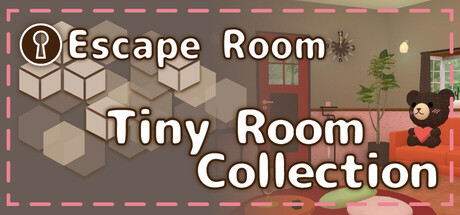
Escape Room: Tiny Room Collection capsule

Escape Room: Tiny Room Collection

Tiny Room Collection is a game in which you explore various places in a room and solve riddles to escape from the room. Can you escape from all 21 tiny rooms while enjoying the Japanese scenery?

$11.99
AdventurePuzzleCute
Studio WakabaApr 18, 2025

Escape Room: Tiny Room Collection scores 68/100 — better than 22% of Adventure capsules (n=7,922).

$11.99 · Released Apr 18, 2025 · By Studio Wakaba

Quick text summary

Escape Room: Tiny Room Collection scored 68/100 on Steam Analyzer — Solid for a Adventure capsule. Top priority fix: [uniqueness_polish] Add a distinctive visual element or art hook—such as a signature character design, iconic puzzle motif, or stylized decoration—that signals 'Tiny Room Collection' specifically rather than generic escape room.

Capsule scores by dimension

  • Genre Clarity: 7/10 — Escape room puzzle genre evident. The lock icon in the top left and isometric room setting clearly signal puzzle-solving gameplay, with the cozy interior environment suggesting a contained escape room scenario. At tiny size, the geometric isometric boxes and interior furnishings remain readable enough to suggest puzzle exploration, though the specific 'escape room' mechanic is less obvious without the title.
  • Title Readability: 8/10 — Clear two-line title layout. Both 'Escape Room' and 'Tiny Room Collection' use clean white sans-serif lettering with strong contrast against the muted background, positioned in the center-right with stable hierarchy. The title holds legibility down to small size, though at tiny size the secondary line becomes less distinct due to reduced pixel density.
  • Contrast & Color: 7/10 — Warm palette with decent separation. The warm beige and tan isometric room geometry contrasts adequately against the dark Steam background, with white text providing strong foreground separation. The character figure in red-orange on the right adds a secondary color accent that pops, though the overall midtone palette could push slightly lighter for maximum tiny-size legibility.
  • Uniqueness & Polish: 6/10 — Competent but generic puzzle aesthetic. The isometric room design and Japanese-inspired interior decor are technically clean and well-rendered, but the presentation feels like a straightforward room visualization without a distinctive visual hook or memorable art direction. The capsule communicates the concept adequately but lacks the premium polish or unique visual storytelling that would distinguish it from similar puzzle titles.
  • Brand Consistency: 6/10 — Coherent interior design style. The isometric perspective, warm earth tones, and Japanese interior elements create internal cohesion across the visible scene, with the lock icon establishing a recognizable puzzle game identity. However, without strong signature iconography or a memorable character/motif beyond the generic lock symbol, the brand identity remains functional rather than distinctively memorable.
  • Composition: 7/10 — Balanced layout with clear hierarchy. The lock icon anchors the top left, the isometric room occupies the center-left with good depth layering, and the character figure provides visual balance on the right, with title text positioned securely in the center-right. The dashed border frame adds intentional framing, and the layout remains stable at small size, though the character on the far right risks minor cropping on some Steam display ratios.

What works

  • Strong title contrast and placement. White sans-serif text reads clearly at all sizes against the neutral background and remains the primary focal point without competing elements.
  • Isometric visual communicates puzzle gameplay. The geometric room layout immediately signals a puzzle or exploration-based game mechanic to the viewer.
  • Warm color palette feels cohesive. Beige, tan, and muted earth tones create a unified visual identity that suits a cozy puzzle adventure.
  • Layered composition with depth. Background architecture, midground furniture, and foreground character create readable spatial hierarchy that survives scaling.

What hurts the capsule

  • Generic puzzle game presentation. The isometric room and lock icon lack visual distinction compared to peer titles like COCOON or Viewfinder, feeling like a standard escape room template.
  • Limited character presence and uniqueness. The small figure in the corner is functional but forgettable and does not establish a memorable brand mascot or hook.
  • Midtone heaviness at tiny size. The warm beige and tan palette clusters in a similar value range, reducing silhouette separation when the capsule shrinks below 120 pixels wide.
  • No visual storytelling of core mechanic. The capsule shows a room but does not communicate *what makes this specific escape room collection unique* compared to dozens of similar titles.

Priority fixes

  1. [uniqueness_polish] Add a distinctive visual element or art hook—such as a signature character design, iconic puzzle motif, or stylized decoration—that signals 'Tiny Room Collection' specifically rather than generic escape room.
  2. [contrast_color] Increase overall value separation by lightening the isometric room geometry or darkening select shadows to ensure the primary elements read at tiny size without midtone blur.
  3. [genre_clarity] Consider adding a subtle puzzle piece or lock detail integrated into the environment to reinforce the escape mechanic more clearly at thumbnail size.
  4. [composition] Reposition or enlarge the character figure to make it a more prominent brand anchor, or replace it with a more iconic mascot that viewers will remember.

Store copy priority fixes

  1. [uniqueness] Add a sentence describing the visual or thematic identity of the rooms—e.g., 'each room is crafted with authentic Japanese architecture and decoration, from cozy inns to garden shrines,' to differentiate from generic escape room titles.
  2. [hook_strength] Rewrite the short description to lead with a concrete hook instead of a feature list—e.g., 'Can you solve 21 enchanting Japanese-inspired puzzle rooms before time runs out?' to create curiosity rather than just inform.
  3. [feature_communication] Expand the detailed description to specify at least 3 puzzle types players will encounter (e.g., pattern-matching, hidden object discovery, item combination) and briefly describe the difficulty or progression curve.
  4. [tone_match] Infuse the copy with more atmospheric language that matches the 'Cute' tag and Japanese aesthetic—replace dry 'click on various places' phrasing with sensory or emotional cues like 'discover hidden secrets' or 'unravel the quiet mysteries of each room.'

Related guides

Steam app ID: 3533720 · Tags: Adventure, Puzzle, Cute, Singleplayer, Point & Click