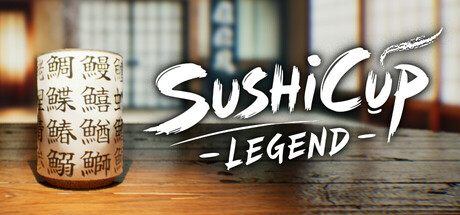
SushiCup Legend scores 65/100 — better than 10% of Casual capsules (n=10,153).

Quick text summary

SushiCup Legend scored 65/100 on Steam Analyzer — Solid for a Casual capsule. Top priority fix: [genre_clarity] Introduce a visual element that hints at the Kanji verification or apprenticeship mechanic, such as a hand engraving the cup, multiple Kanji samples, or a student/master interaction cue.

Capsule scores by dimension

  • Genre Clarity: 5/10 — Unclear mechanics, cultural theme visible. The capsule emphasizes a teacup with Kanji engraving and Japanese aesthetics, which reads as casual, cultural, or puzzle-adjacent. However, at TINY size, the core gameplay loop (apprentice testing, Kanji verification) is not visually apparent—it looks more like a cozy cultural item showcase than a game about Kanji correctness testing. The genre intent is muddled between cozy simulation, educational puzzle, and crafting mechanics.
  • Title Readability: 8/10 — Strong, legible title with clear hierarchy. SushiCup Legend is rendered in bold, confident white script with clean outlines and a slight accent stroke that reads clearly at full, small, and tiny sizes. The hyphen and LEGEND subtext add hierarchy without clutter. The title placement on the dark wooden surface and light background region ensures it stands out and doesn't collapse at small sizes.
  • Contrast & Color: 7/10 — Good separation, warm tones dominate. The white title and teacup stand out well against the warm brown wood background and blurred interior setting. The grayscale silhouette of the teacup is clear and readable even at tiny size. However, the overall warm color palette (browns, golds, cream) lacks the strong cool-warm contrast that would make it pop dramatically against Steam's dark #1b2838 background; the composition feels slightly muted in quick-scroll conditions.
  • Uniqueness & Polish: 6/10 — Competent craft, familiar cozy aesthetic. The teacup photography and Japanese setting are well-executed and intentional, with attention to wooden surface detail and warm lighting. However, the visual concept—a decorative teacup on a wooden table—is a common cozy-game motif and does not immediately communicate the game's unique selling point (Kanji verification apprenticeship). The presentation feels more like a lifestyle product shot than a game-specific hook.
  • Brand Consistency: 6/10 — Japanese aesthetics present, limited identity cues. The teacup with visible Kanji engraving, warm wooden setting, and traditional Japanese design language create a coherent cultural aesthetic. However, without access to the 8 store screenshots, internal consistency cannot be fully verified. The palette (warm browns, cream, white) and the iconic teacup object are present, but the visual identity lacks a distinctive character, motif, or signature style that would be instantly recognizable as SushiCup Legend specifically.
  • Composition: 7/10 — Clear focal point, good layering, slight imbalance. The teacup is the clear primary subject, positioned left-center with blurred warm interior in the background, creating depth. The title sits to the right with appropriate spacing and does not interfere with the cup's silhouette. At TINY size, the teacup and title remain readable and distinct. Minor weakness: the composition is slightly weighted toward the left, leaving more dead space on the right; this is acceptable but not optimally balanced for Steam's narrow aspect ratio.

What works

  • Bold, readable title treatment. SushiCup Legend's white script with outline stroke maintains clarity at all viewing sizes and creates immediate brand recognition without clutter.
  • Clear primary subject with depth. The teacup is a strong focal point supported by soft-focus background elements that guide the eye and create visual hierarchy.
  • Cohesive Japanese cultural aesthetic. The teacup with Kanji, warm wood tones, and traditional setting establish a consistent, intentional art direction.

What hurts the capsule

  • Gameplay intent not visually communicated. The capsule reads as a lifestyle or cultural object showcase rather than a game about Kanji verification testing, leaving the core mechanic unclear.
  • Generic cozy-game composition. The teacup-on-table aesthetic is a familiar motif in indie games without a distinctive visual hook that differentiates SushiCup Legend.
  • Warm palette lacks contrast pop. The brown, gold, and cream tones blend together without strong cool-warm separation, resulting in a muted appearance on Steam's dark background during quick scroll.
  • Limited memorable brand identity. No iconic character, symbol, or signature visual motif is present that would make the game immediately recognizable on repeat encounters.

Priority fixes

  1. [genre_clarity] Introduce a visual element that hints at the Kanji verification or apprenticeship mechanic, such as a hand engraving the cup, multiple Kanji samples, or a student/master interaction cue.
  2. [contrast_color] Introduce a cool accent color (teal, blue, or white highlight) to create stronger luminosity separation from the warm background and enhance pop on the Steam dark background.
  3. [uniqueness_polish] Add a distinctive visual hook—such as a stylized character (the Cup Master or apprentice), an iconic Kanji motif, or a unique art effect—that communicates the game's specific selling point rather than relying on generic cozy aesthetics.
  4. [brand_consistency] Develop and consistently apply a signature visual element (palette accent, character design, or icon) that will reinforce brand recognition across store screenshots and thumbnails.

Store copy priority fixes

  1. [hook_strength] Rewrite the short description to lead with the core gameplay verb and appeal: 'Spot the mistakes in your apprentice's SushiCup carvings—get every Kanji right to advance' rather than defining what a SushiCup is.
  2. [tone_match] Inject humor and personality into the copy to match the 'Funny' and 'Comedy' tags—replace mechanical language like 'Let's give your apprentice some strict instructions' with playful, character-driven voice.
  3. [feature_communication] Add concrete examples of Kanji themes (e.g., 'memorize seafood Kanji like fish and octopus') and explain what makes levels harder, so players understand the puzzle mechanics clearly.
  4. [audience_targeting] Explicitly state the intended experience early: 'A relaxing casual puzzle game' or 'A quirky, story-driven training simulation' so the right player immediately recognizes this is for them.

Related guides

Steam app ID: 3536150 · Tags: Casual, Funny, Comedy, Fantasy, Story Rich