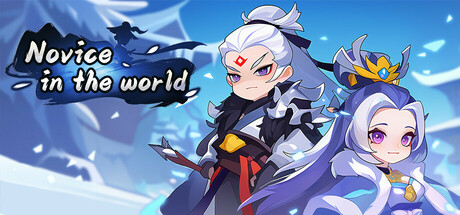
Novice in the world scores 65/100 — better than 12% of Adventure capsules (n=7,922).

Quick text summary

Novice in the world scored 65/100 on Steam Analyzer — Solid for a Adventure capsule. Top priority fix: [uniqueness_polish] Add a distinctive visual element or UI hint that signals the core mechanic (guild gameplay, multiplayer interaction, or team synergy) rather than relying on generic character arrangement.

Capsule scores by dimension

  • Genre Clarity: 7/10 — Clear anime RPG team adventure. The capsule effectively communicates an anime-styled RPG with multiple character archetypes (warrior, mage, support) arranged in a team composition pose, blue sky setting, and magical effects suggesting combat or fantasy adventure. At tiny size, the character silhouettes and grouped arrangement remain readable, though the specific RPG mechanics (exploration, team building, guilds) are implied rather than explicitly shown through UI iconography.
  • Title Readability: 6/10 — Legible but competitive with art. The white italic text 'Novice in the world' with black outline is readable at full size and maintains reasonable clarity at small size, though the outline thickness is moderate and competes with the colorful character art for attention. At tiny size the text becomes thin and slightly soft, reducing legibility; the tagline placement in the upper left is strategic but the italics add stylistic burden that doesn't enhance discoverability.
  • Contrast & Color: 7/10 — Strong sky blue with good separation. The bright blue gradient sky background provides clean separation from the white-haired characters and their dark/purple clothing elements, creating solid value contrast against the Steam dark background. The character silhouettes read clearly even at small size due to the light skin tones and contrasting hair color, though the mid-tone purple and navy elements could be slightly more saturated for better grayscale separation.
  • Uniqueness & Polish: 6/10 — Competent anime style, generic composition. The art quality is clean and well-rendered with polished character models and smooth gradient sky, placing it above low-effort work; however, the three-character team pose is a common anime game template used across dozens of similar titles in the genre. The visual lacks a distinctive hook or unique mechanic visualization that would signal what makes this game mechanically special beyond standard RPG team assembly.
  • Brand Consistency: 6/10 — Cohesive anime aesthetic, limited identity. The capsule maintains consistent character art style, color palette (white/blue/purple), and anime illustration approach throughout the composition with no jarring style breaks. However, without access to full brand identity signals or iconic character recognition cues, the design reads as generically competent anime rather than distinctly memorable—it could represent many similar RPG titles.
  • Composition: 7/10 — Clear hierarchy, well-balanced layout. The three characters create a natural focal point in the center-right, with the title anchored top-left and the magical aura effects providing depth layering (foreground characters, mid-tone sky, subtle particle effects). The composition remains stable at small and tiny sizes with no critical cropping issues, though the lower third of the image is relatively empty and could be better utilized for visual impact at thumbnail scale.

What works

  • Character silhouette clarity. The three distinct character archetypes (warrior, mage, support) are recognizable and well-separated at all viewing sizes, with light skin and contrasting hair color against the sky background.
  • Stable composition across scales. The centered character group and top-left text placement remain readable from full header to tiny thumbnail without critical cropping or layout collapse.
  • Professional rendering quality. Clean character art, smooth gradients, and polished effects convey a finished, credible game rather than rough or asset-flipped work.

What hurts the capsule

  • Generic team pose template. The three-character grouped stance is visually competent but appears in dozens of anime RPG titles, offering no visual differentiation or unique mechanical hook.
  • Title contrast competition. The white italic text outline competes with the colorful character art for focus rather than clearly anchoring as the primary identifier; the italics reduce formal legibility at tiny scale.
  • Underutilized lower composition space. The bottom third contains minimal detail or visual interest, wasting prime real estate that could reinforce gameplay loop elements or strengthen the focal point through depth staging.

Priority fixes

  1. [uniqueness_polish] Add a distinctive visual element or UI hint that signals the core mechanic (guild gameplay, multiplayer interaction, or team synergy) rather than relying on generic character arrangement.
  2. [title_readability] Increase title contrast by adding a thicker black outline or background panel that ensures legibility at tiny size without competing with character art.
  3. [composition] Add foreground elements or environmental context in the lower third to create stronger depth layering and improve visual balance at small viewing sizes.

Store copy priority fixes

  1. [hook_strength] Replace the opening with a single punchy sentence that leads with core fantasy or emotion: e.g., 'Assemble your martial arts team, rise through guilds, and prove yourself in multiplayer battles in this cozy RPG adventure.' This must invoke a specific mood (adventure, community, progression) rather than listing features.
  2. [uniqueness] Add a concrete differentiator specific to this game in the short description or first paragraph—e.g., what makes the martial arts customization, NPC recruitment, or partner pairing system different from other party-based RPGs, or highlight a standout feature (e.g., 'unique dual-character synergy system' or 'recruit and spar with hundreds of handcrafted NPCs').
  3. [tone_match] Rewrite the detailed description to match the cute, casual, leisurely tone implied by the tags; use conversational language ('discover', 'befriend', 'team up') instead of formal structures, and lead with the emotional appeal of idle growth and NPC interaction rather than a feature checklist.
  4. [feature_communication] Reorganise the feature section to group related mechanics and explain the 'why' behind each—e.g., structure as 'Build & Grow: Cultivate custom teams with partner pairing' or 'Explore & Recruit: Discover caves, sects, and NPCs to sparring partners,' then explain how these feed into the idle progression loop.

Related guides

Steam app ID: 3540830 · Tags: Adventure, Strategy, RPG, Turn-Based Strategy, Party-Based RPG