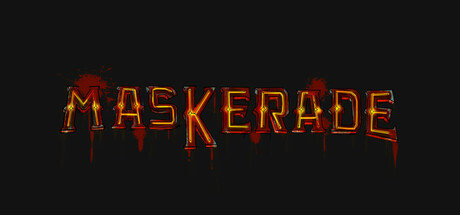
Maskerade: The Deadpan Cry scores 68/100 — better than 22% of Adventure capsules (n=7,922).

Quick text summary

Maskerade: The Deadpan Cry scored 68/100 on Steam Analyzer — Solid for a Adventure capsule. Top priority fix: [genre_clarity] Incorporate a subtle theatrical or cabaret visual element (costume fragment, stage curtain, or mask silhouette) to signal the game's narrative-horror setting and differentiate from generic dark action.

Capsule scores by dimension

  • Genre Clarity: 7/10 — Horror theme clear, genre reads mixed. The blood drips and orange glow immediately signal horror or dark fantasy, aligning with the survival horror premise. However, at tiny size the visual language feels more generic dark action than specifically survival horror—there's no clear indication of the narrative or cabaret setting that defines this game's unique hook. The dripping effect conveys danger but not the specific genre identity of a narrative-driven supernatural thriller.
  • Title Readability: 8/10 — Bold text holds at small, strong outline. MASKERADE displays in a thick, outlined orange font against near-black background, providing excellent contrast and legibility down to small size. The letterforms remain distinct even when scaled, and the dripping blood effect beneath reinforces the title without obscuring it. At tiny size the text remains readable as a cohesive block, though individual letterforms begin to blur slightly.
  • Contrast & Color: 8/10 — Strong warm-dark separation, clear silhouette. Bright orange (#FF6600 approximate) with red blood accents stands out sharply against the near-black background (#0a0a0a), creating strong value separation visible even in grayscale. The dripping effect adds depth and visual interest without muddying the core contrast. The design maintains clear silhouette definition at all sizes and reads well during quick scroll.
  • Uniqueness & Polish: 6/10 — Competent horror style, lacks distinctive hook. The dripping blood aesthetic is well-executed and thematically appropriate for horror, but the visual treatment remains fairly standard across many horror game capsules. There's no visible indication of the game's unique selling points—the narrative depth, the cabaret setting, or the protagonist's story—which would distinguish it from generic dark action horror. The craft is solid but the design communicates 'dark game' rather than 'this specific story-driven survival horror experience.'
  • Brand Consistency: 5/10 — Minimal identity cues beyond genre tropes. The capsule uses familiar horror visual language (orange text, blood drips) but lacks distinctive brand markers that would be recognizable across store screenshots. Without seeing the cabaret aesthetic, theatrical elements, or character design from the game itself, the capsule reads as generic horror rather than establishing a memorable identity unique to Maskerade. There are no signature motifs, color schemes beyond 'scary orange,' or visual elements that suggest this specific narrative experience.
  • Composition: 7/10 — Centered text, clear focal point, balanced layout. MASKERADE is prominently centered with the dripping effect below creating a natural vertical hierarchy and focal point. The title occupies the upper third, leaving balanced dark space above and below that prevents cramping and maintains readability. At tiny size the composition remains stable with the text centered and the blood effect visible, though supporting elements are minimal; the layout is resilient to Steam's crop tolerances.

What works

  • Strong title contrast and readability. Orange outlined text maintains clarity at small and tiny sizes against the dark background with no collapse or illegibility issues.
  • Excellent value separation. Warm orange and red against near-black creates immediate visual pop and strong silhouette that reads well during quick scroll.
  • Well-executed thematic effect. The blood drips reinforce the horror theme without obscuring the title, adding visual interest and depth to the composition.

What hurts the capsule

  • Generic horror language without uniqueness. The dripping blood and orange glow are familiar horror visual tropes that don't communicate what makes Maskerade distinct from other dark games.
  • No narrative or setting indicators. The capsule fails to hint at the game's core identity—a narrative-driven survival horror with a cabaret setting and protagonist story—making it feel like 'dark action' rather than this specific experience.
  • Minimal brand identity markers. There are no iconic character silhouettes, theatrical motifs, or signature visual elements that establish a recognizable brand identity for the game.

Priority fixes

  1. [genre_clarity] Incorporate a subtle theatrical or cabaret visual element (costume fragment, stage curtain, or mask silhouette) to signal the game's narrative-horror setting and differentiate from generic dark action.
  2. [uniqueness_polish] Introduce the protagonist or a distinctive character silhouette alongside the title to establish brand identity and communicate the personal story at the game's core.
  3. [brand_consistency] Add a signature color accent or motif (beyond blood drips) that appears consistently across store screenshots to build recognizable brand identity.

Store copy priority fixes

  1. [hook_strength] Replace 'terrific and mysterious cabaret' with a single vivid verb or specific detail that anchors the premise (e.g., 'escape a cursed cabaret where masked dancers enforce the Madame's will') to make the hook more concrete and emotionally resonant.
  2. [feature_communication] Rewrite the STEALTH and EXPLORATION sections with one concrete example per mechanic—e.g., 'Stealth: Workers patrol the halls; hide in shadows or use distractions to slip past' instead of generic 'use your wits' language.
  3. [uniqueness] Add a sentence after the NARRATIVE-DRIVEN section explaining what makes the mask curse or character corruption system distinct from other narrative horror games, or what emotional/thematic depth differentiates the story.
  4. [audience_targeting] Clarify the difficulty curve or pacing intent (e.g., 'for players seeking slow-burn horror exploration' vs. 'action-heavy survival') to help the right audience self-identify, especially given the mixed Casual/Survival Horror tag tension.

Related guides

Steam app ID: 3558170 · Tags: Adventure, Action, Casual, Walking Simulator, Exploration