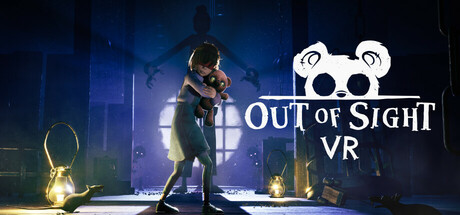
Out of Sight VR scores 75/100 — better than 74% of Adventure capsules (n=7,922).

Quick text summary

Out of Sight VR scored 75/100 on Steam Analyzer — Good for a Adventure capsule. Top priority fix: [genre_clarity] Strengthen the bear-as-protagonist visual story with a subtle additional cue—such as bear paw in foreground or bear silhouette integration—to make the unique mechanic unmistakable at TINY size

Capsule scores by dimension

  • Genre Clarity: 7/10 — VR horror with child protagonist clear. The central character pose—hunched, defensive, in a spotlight amid dark architecture—reads as survival horror or psychological thriller. The teddy bear logo and VR branding immediately signal this is a first-person perspective game. At TINY size, the silhouette and lighting still communicate vulnerability and danger, though specific genre nuance (possessed perspective mechanic) is not visually obvious.
  • Title Readability: 8/10 — Crisp white logo, legible at all sizes. The white 'OUT OF SIGHT VR' text sits cleanly against the dark blue background with strong contrast and clean letterforms. The teddy bear icon above the title is iconic and reinforces brand identity. At SMALL and TINY sizes, the white text maintains clarity without feathering, and the bear symbol remains recognizable, though fine serif details blur slightly at thumbnail size.
  • Contrast & Color: 8/10 — Strong value separation, dark dominated. Deep blue-to-black gradient background creates excellent silhouette separation for the central figure, who is lit from above with warm spotlight tones. Bright white text and bear logo pop sharply against the cool darkness. The warm-lit character against cool surroundings creates clear depth; the grayscale read remains strong with high value differentiation between character and environment.
  • Uniqueness & Polish: 7/10 — Atmospheric, distinctive concept executed well. The 'seeing through the bear's eyes' premise is a unique hook that the visual composition reinforces through the spotlight framing and the character's hunched, frightened posture. The art direction feels polished and intentional rather than template-based. The execution is solid but not groundbreaking in craft—the aesthetic is moody rather than visually innovative, placing it in the competent-to-good range rather than exceptional.
  • Brand Consistency: 7/10 — Bear icon and color palette recognizable. The teddy bear logo is a strong, memorable brand anchor that could be recognized in future marketing or UI. The dark blue and warm accent lighting create a consistent mood signature. The geometric simplicity of the bear and the cohesive cool-dark palette suggest a recognizable brand identity, though the capsule alone doesn't yet establish the depth of visual language seen across store screenshots.
  • Composition: 8/10 — Clear focal point, balanced depth layers. The central character occupies the visual hierarchy with strong spotlighting and midground placement, while the architectural environment recedes. The bear logo and title occupy the upper right in a balanced secondary position that does not clutter the composition. At SMALL and TINY sizes, the spotlight isolates the character effectively, maintaining a clear focal point despite reduced detail; the layout avoids edge-hugging and respects safe margins.

What works

  • Distinctive mechanic communicated visually. The hunched, vulnerable character pose combined with the bear icon effectively conveys the unique 'play as teddy bear protecting a child' premise at a glance.
  • Excellent contrast against dark background. Warm spotlight on cool blue-black gradient creates strong silhouette clarity and eye-guiding focal point that reads at all sizes, including TINY.
  • Readable logo with memorable icon. White text and stylized bear symbol maintain legibility at TINY size and serve as a strong brand anchor for future recognition.
  • Balanced depth and composition. Layered environment (background architecture, midground character, foreground light) creates visual interest without clutter; title placement in upper right avoids stealing focus.

What hurts the capsule

  • Concept nuance not immediately obvious. The 'playing as the bear' or 'seeing through bear eyes' mechanic is not visually self-evident; viewers unfamiliar with the premise may see only 'horror game with child' rather than the core unique hook.
  • Limited color palette reduces visual distinctiveness. Blue-dark-gold is atmospheric but relatively common in indie horror, making it less memorable compared to top-tier genre capsules with bolder or more unconventional color choices.
  • Fine detail loss at TINY reduces polish perception. While the main elements hold, subtle texture and character detail blur significantly at thumbnail size, potentially reducing the premium feel relative to highly polished competitors.

Priority fixes

  1. [genre_clarity] Strengthen the bear-as-protagonist visual story with a subtle additional cue—such as bear paw in foreground or bear silhouette integration—to make the unique mechanic unmistakable at TINY size
  2. [uniqueness_polish] Introduce a signature color accent or lighting effect that stands out from standard horror palette to increase memorability and premium perception
  3. [composition] Consider slight adjustments to character lighting or pose to emphasize the 'protection' or 'guide' role more dramatically, reinforcing emotional stakes visually

Store copy priority fixes

  1. [feature_communication] Add a sentence clarifying game length, mission structure, or number of chapters/acts so players understand scope and progression expectations.
  2. [audience_targeting] Include a brief note on VR experience requirements (suitable for newcomers or experienced VR players only) and any motion sensitivity considerations.
  3. [hook_strength] Strengthen the unique selling point in the short description by replacing 'genre-defying' with a specific mechanic (e.g., 'solve perspective-based puzzles from a second-person viewpoint' or 'guide Sophie using only Teddy's senses').
  4. [feature_communication] Add one concrete example of a puzzle or mechanic (e.g., 'position yourself to reflect light and help Sophie find hidden exits' or 'listen for sounds only Teddy can hear') to make gameplay more tangible.

Related guides

Steam app ID: 3558720 · Tags: Adventure, Puzzle, Exploration, First-Person, VR