Scoring genre clarity...
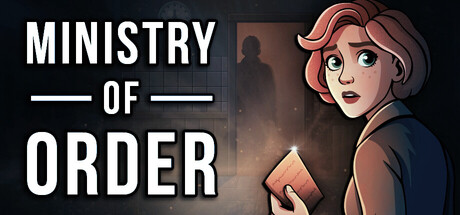
Ministry of Order capsule

Ministry of Order

Match babies to their parents by solving genetics puzzles. Get paid for being right, fined for mistakes. Each choice in branching dialogues has different consequences. Immerse yourself in the atmosphere of the gloomy 1920s totalitarian state.

IndieStory RichSimulation
VoltekPlayQ4 2026

Ministry of Order scores 75/100 — better than 68% of Steam capsules we've analysed (n=22,658).

Released Q4 2026 · By VoltekPlay

Quick text summary

Ministry of Order scored 75/100 on Steam Analyzer — Good for a Steam capsule. Top priority fix: [genre_clarity] Introduce a subtle visual element hinting at the genetics puzzle mechanic (e.g., subtle family tree iconography, chromosome motif, or matching symbol) to differentiate from generic narrative games.

Capsule scores by dimension

  • Genre Clarity: 7/10 — Period narrative adventure with puzzle elements. The 1920s aesthetic, formal typography, and the female character holding what appears to be a document clearly signal a narrative-driven adventure set in a historical totalitarian state. The shadowy figure in the background reinforces governmental themes. At tiny size, the character silhouette and period styling remain readable enough to suggest an indie narrative game, though the specific genetics puzzle mechanic is not visually apparent.
  • Title Readability: 8/10 — Clean sans-serif, strong hierarchy and contrast. The title 'MINISTRY OF ORDER' uses a bold, geometric sans-serif with excellent contrast against the dark background and supported by white letterforms. The horizontal dividing lines create clear visual separation and hierarchy. Even at tiny size, the major words remain legible due to large size and weight, though 'OF' becomes harder to distinguish; the overall logo structure holds well in thumbnail view.
  • Contrast & Color: 8/10 — Strong warm-cool separation with clear silhouette. The character's warm peachy-pink hair and skin tones create strong contrast against the cool dark blue-black background, while white typography sits decisively on top. The shadowed figure in the background provides depth layering without competing for attention. Grayscale evaluation confirms clean value separation between the character and background; the warm tones read distinctly even when desaturated.
  • Uniqueness & Polish: 7/10 — Distinctive art style, solid character design. The character illustration has a polished, slightly stylized quality with expressive eyes and period-appropriate styling that feels intentional rather than generic. The color palette—warm flesh tones, cool shadows, and institutional white text—communicates both the game's narrative premise and premium indie production values. However, the composition remains relatively conventional for the narrative adventure genre, lacking a truly unexpected visual hook that would elevate it to 8+.
  • Brand Consistency: 7/10 — Coherent 1920s aesthetic with character focus. The art direction is internally consistent: the character's period styling, the institutional typography, the muted color palette, and the shadowed governmental backdrop all reinforce a unified visual identity around the totalitarian 1920s state theme. The character design and color treatment would likely be recognizable across other marketing materials. Without access to the full store page, this score reflects strong internal cohesion visible in this single image.
  • Composition: 8/10 — Clear focal hierarchy, balanced layout, safe margins. The character occupies the right-center foreground with the shadowed figure creating atmospheric depth in the upper background, while the title dominates the left side with strong visual weight. The composition balances text and image with no cramping at edges and clear visual hierarchy. At small and tiny sizes, the character remains the primary focal point while the title remains legible, and no critical elements are lost to Steam's typical edge cropping.

What works

  • Clear visual hierarchy and readable title. Bold white sans-serif typography with horizontal dividers creates immediate legibility at all sizes, and the word arrangement guides the eye naturally through the composition.
  • Strong atmospheric character design. The female character's expressive face, period-appropriate styling, and warm color palette make an emotional connection and instantly communicate the game's narrative tone.
  • Excellent contrast against Steam background. Warm peachy tones and white elements create decisive separation from the dark blue-black background, maintaining clarity even in quick-scroll conditions.

What hurts the capsule

  • Shadowed figure lacks gameplay clarity. The background governmental figure adds atmosphere but doesn't communicate any specific mechanic (genetics puzzles, parent-matching, dialogue systems) that would set the game apart from other narrative adventures.
  • Generic narrative adventure positioning. While well-executed, the composition follows familiar patterns from the genre—character portrait with historical setting—without a distinctive visual hook that suggests the unique genetics puzzle mechanic described in the store copy.
  • Limited color palette beyond backgrounds. The warm-cool contrast works but relies heavily on the character and shadows; the overall palette remains relatively subdued and could benefit from an accent color that hints at the game's core mechanic.

Priority fixes

  1. [genre_clarity] Introduce a subtle visual element hinting at the genetics puzzle mechanic (e.g., subtle family tree iconography, chromosome motif, or matching symbol) to differentiate from generic narrative games.
  2. [uniqueness_polish] Consider adding an accent color or thematic element that visually communicates the core matching/genetics mechanic beyond the 1920s aesthetic alone.
  3. [composition] Test whether a secondary focal element (such as a document, book, or symbolic object in the character's hands) strengthens the puzzle-strategy aspect visibility at thumbnail sizes.

Store copy priority fixes

  1. [hook_strength] Lead the short description with the atmospheric setting: rewrite to open with "In a gloomy 1920s totalitarian state, you are appointed to match newborns to parents by solving genetics puzzles—get paid for accuracy, fined for mistakes" to anchor emotional resonance earlier.
  2. [feature_communication] Add a brief bulleted list or structured section in the detailed description that explicitly lists core mechanics (Genetics Matching, Dialogue Branching, Faction Alignment, Resource Management) for scannability and clarity.
  3. [genre_clarity] Insert the word "simulation" explicitly in the short description, such as "...a darkly comic bureaucratic simulation where genetics puzzles determine survival" to immediately signal genre.
  4. [audience_targeting] Add a sentence addressing expected playtime (e.g., "Roughly 4–6 hours to completion, with multiple playthroughs rewarded") and clarify whether puzzle difficulty is adaptive or fixed to help targeted players self-select.

Related guides

Steam app ID: 3572310