Scoring genre clarity...
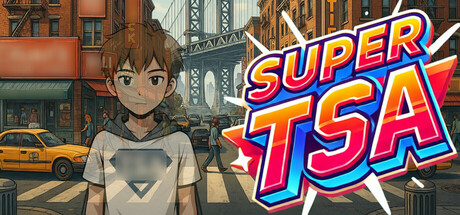
Super TSA capsule

Super TSA

The free autism awareness game! Step into the shoes of an autistic person and navigate daily sensory, social, and professional challenges. A heartfelt project — free, ad-free, and made to foster understanding and build a more inclusive world

Free to PlayMostly Positive(14)
Life Sim3DSimulation
Nicolas HAENENMay 15, 2025

Super TSA scores 65/100 — better than 8% of Life Sim capsules (n=1,058).

Mostly Positive (14 reviews) · Free to Play · Released May 15, 2025 · By Nicolas HAENEN

Quick text summary

Super TSA scored 65/100 on Steam Analyzer — Solid for a Life Sim capsule. Top priority fix: [genre_clarity] Add a subtle UI element or gameplay indicator (e.g., a schedule, sensory icon, or interaction prompt) to signal the simulation and education focus distinct from narrative games.

Capsule scores by dimension

  • Genre Clarity: 6/10 — Simulation setting clear, character focus ambiguous. The urban cityscape with yellow taxi and architectural detail clearly signals a city simulation or management game at full size. However, at TINY size the character illustration dominates and could read as a narrative adventure or character-driven game rather than a gameplay simulation. The genre-specific UI or mechanic cues expected in top-performing simulators are absent from this capsule.
  • Title Readability: 8/10 — Bold logo, excellent legibility across sizes. The 'SUPER TSA' title uses a bold, high-contrast red and yellow comic-style font positioned in the upper-right, which maintains excellent clarity from full size down to TINY. The white outline and saturated colors ensure strong separation from the background. At TINY size the logo remains fully readable and maintains its punchy character.
  • Contrast & Color: 7/10 — Good value separation, warm palette dominates. The character illustration in the center-left uses warm earth tones (brown hair, tan/beige clothing) that sit comfortably against the cool blue-grey building backdrop. The yellow taxi and title logo add bright accent points. At TINY size the character silhouette remains distinct, though the mid-tone clothing slightly reduces separation from some background elements; the busy architectural detail in the background creates some visual noise that competes with the subject at small sizes.
  • Uniqueness & Polish: 6/10 — Competent anime aesthetic, generic simulation framing. The character illustration shows solid anime art direction with expressive eyes and clean line work, which feels polished. However, the layout follows a predictable pattern—character on left, title on right, generic cityscape behind—that mirrors many other simulation game capsules without a clear distinctive visual hook. The combination does not communicate the unique premise (autism awareness simulation) through visual storytelling.
  • Brand Consistency: 5/10 — Limited identity signals, anime style only cue. The anime character art style provides some visual consistency with the game's narrative focus, but there are no iconic symbols, memorable color motifs, or signature design elements that would make this capsule recognizable on a second viewing. The bold title treatment is memorable, but the background and composition lack internal brand markers that tie to the game's core message or identity.
  • Composition: 7/10 — Clear focal point, effective space usage. The character is positioned as a strong primary subject on the left-center, drawing immediate attention with direct eye contact and centered framing. The title occupies the upper-right in a complementary position that does not fight for dominance. The cityscape provides supporting context without overwhelming the figure. At SMALL and TINY sizes the character remains the clear focal point, though the busy building detail in the background creates some visual competition that slightly reduces compositional clarity.

What works

  • High-impact title design. The bold red and yellow 'SUPER TSA' logo with white outline delivers excellent readability and memorability across all viewing sizes, from full to TINY.
  • Clear character focal point. The centered character illustration with direct eye contact creates an immediate visual anchor that guides attention and maintains hierarchy at reduced scales.
  • Polished anime art direction. The character rendering shows clean line work, expressive features, and intentional art style that elevates the presentation above generic asset quality.

What hurts the capsule

  • Generic simulation background. The urban cityscape backdrop uses typical stock-style architecture that does not differentiate this game or hint at its unique autism awareness premise.
  • Weak genre-specific communication. Unlike top-performing simulators that feature clear UI elements, character interactions, or specific mechanics, this capsule relies on setting alone and fails to hint at the core gameplay loop or unique simulation focus.
  • Limited brand identity signals. No iconic symbols, character motifs, or signature visual elements are present that would create recognition or convey the game's distinctive educational mission.
  • Busy background competes at small sizes. The detailed architectural elements create visual noise that reduces silhouette clarity and focal point emphasis when viewed at SMALL and TINY scales.

Priority fixes

  1. [genre_clarity] Add a subtle UI element or gameplay indicator (e.g., a schedule, sensory icon, or interaction prompt) to signal the simulation and education focus distinct from narrative games.
  2. [brand_consistency] Introduce a signature visual motif or color accent that ties to autism awareness or the game's core themes to create memorable brand identity.
  3. [uniqueness_polish] Simplify or desaturate the background architecture to reduce visual competition and strengthen the character as the sole focal point; consider a more contextual setting that hints at daily life challenges.
  4. [contrast_color] Increase background depth separation by adding a subtle vignette or value gradient that pushes the busy cityscape further back and emphasizes the character silhouette.

Store copy priority fixes

  1. [feature_communication] After 'Play as an autistic person in daily life,' add 2-3 concrete examples of daily scenarios and how players navigate them (e.g., 'manage sensory input at a crowded café, navigate workplace social cues, plan a daily routine around energy levels').
  2. [feature_communication] Add a sentence describing the progression or goal structure: are players completing daily challenges, working through story beats, or building a sustainable routine? This clarifies the game's pacing and replayability.
  3. [uniqueness] Insert a specific differentiator: what perspective, narrative design, or mechanical choice makes this game's approach to autism representation distinct from other awareness or educational projects?

Related guides

Steam app ID: 3690470 · Tags: Life Sim, 3D, Family Friendly, Simulation, Modern