Scoring genre clarity...
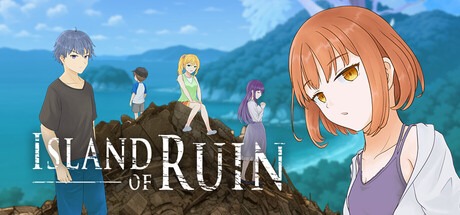
Island of Ruin capsule

Island of Ruin

"Island of Ruin" is a puzzle novel game where you collect memory cores hidden across the island and uncover the truth behind a tragedy of the past. When the horrors that befell the boys and girls and the island’s strange phenomena are revealed, what final choice will you make?

$7.992 user reviews
AdventureVisual NovelPuzzle
cretia studioMar 12, 2026

Island of Ruin scores 60/100 — better than 0% of Adventure capsules (n=7,922).

2 user reviews · $7.99 · Released Mar 12, 2026 · By cretia studio

Quick text summary

Island of Ruin scored 60/100 on Steam Analyzer — Solid for a Adventure capsule. Top priority fix: [genre_clarity] Integrate visual storytelling that hints at mystery or puzzle-solving—e.g., memory fragment effects, strange island phenomenon, or cryptic UI elements in the scene composition.

Capsule scores by dimension

  • Genre Clarity: 5/10 — Anime visual novel, unclear gameplay. The capsule reads strongly as anime visual novel or adventure based on character art style and composition, but the puzzle-collection and mystery elements are not visually communicated. At tiny size, it collapses to generic anime dating-sim aesthetic with no indication of the puzzle-solving or mystery horror gameplay that defines the title.
  • Title Readability: 7/10 — Title readable at full and small size. The logo 'ISLAND OF RUIN' uses a clean, spaced serif font with good contrast against the landscape background. At small size it remains legible; at tiny size it becomes thin and slightly strained but still identifiable. The white outline and dark letter fill provide adequate separation from the mid-tone background.
  • Contrast & Color: 6/10 — Moderate separation, soft palette. The character on the right (orange hair, light skin) pops reasonably well against the blue-green landscape background, and the title has white-dark contrast. However, the overall palette is soft pastels and warm mid-tones with limited value separation; grayscale test reveals the scene relies on hue rather than bold light-dark contrast, reducing impact at tiny size where color distinction collapses.
  • Uniqueness & Polish: 6/10 — Competent anime art, generic composition. The character illustration is well-rendered with clean line work and soft shading typical of modern visual novel art. The composition feels like a standard character showcase with landscape backdrop rather than communicating a unique visual hook or core mechanic; it resembles dozens of other anime adventure titles without a distinctive selling point beyond genre conventions.
  • Brand Consistency: 6/10 — Cohesive anime style, limited identity. Internal rendering is consistent—character art, background, and typography align in a unified anime visual novel style with warm peachy tones and soft lighting. However, there are no strong iconic motifs, symbols, or signature design elements that create lasting brand recognition; the style is polished but generic within the visual novel space.
  • Composition: 6/10 — Balanced layout, focal point clear. The focal point is the character on the right with large, expressive eyes drawing immediate attention, supported by secondary characters and landscape depth in the background. Title placement is center-lower and readable. At tiny size the composition holds but the character's subtle expressions and supporting cast become visual noise; no element risks edge cropping but the layout feels safe rather than intentional.

What works

  • Strong character rendering. The foreground character is beautifully illustrated with clear features, warm color palette, and expressive eyes that anchor visual interest.
  • Readable logo at multiple sizes. Title text uses clean serif letterforms with good spacing and contrast; maintains legibility from full to small sizes.
  • Balanced depth layering. Background landscape, supporting characters, and primary subject create a clear spatial hierarchy that guides the eye.

What hurts the capsule

  • Genre identity unclear. Capsule reads as generic visual novel romance rather than puzzle-mystery adventure, failing to communicate the gameplay hook of memory collection and mystery unraveling.
  • Low contrast and soft palette. Warm pastels and mid-tone colors lack bold value separation; at tiny size the design flattens and blends into a muddy whole without strong silhouette definition.
  • Generic anime aesthetic. While well-executed, the visual style follows familiar visual novel conventions with no distinctive motif or signature element that differentiates it from dozens of comparable titles.
  • No gameplay hint or visual storytelling. The composition is a character portrait with scenic backdrop; it does not visually communicate puzzles, mystery, horror, or the tragic island setting that defines the game.

Priority fixes

  1. [genre_clarity] Integrate visual storytelling that hints at mystery or puzzle-solving—e.g., memory fragment effects, strange island phenomenon, or cryptic UI elements in the scene composition.
  2. [contrast_color] Increase value contrast by strengthening dark shadows in the character or background, or introducing a bold accent color (e.g., glowing memory core) that pops against the dark Steam background.
  3. [uniqueness_polish] Add a distinctive visual hook such as an iconic symbol, signature light effect, or thematic element unique to Island of Ruin that signals brand identity beyond generic anime art.
  4. [composition] Reframe the focal point to emphasize the puzzle or mystery element—e.g., character discovering a memory core, or a haunting environmental detail—rather than pure character portrait.

Store copy priority fixes

  1. [feature_communication] In the 'How to Play' section, add a paragraph explaining how player choices during the Novel Part branches the story, how many endings exist, and what choices actually change about the narrative or island's future.
  2. [uniqueness] Rewrite the opening of the Puzzle mechanics section to explain what makes the color-matching+memory-unlocking integration unique—e.g., 'Solve puzzles to unlock the memories that shape your choices' instead of 'Thrilling puzzle action with chain reactions.'
  3. [audience_targeting] Add a sentence after 'Trigger Happy Mode' clarifying the intended audience, e.g., 'Perfect for story enthusiasts who want narrative depth without mechanical friction' or 'Designed for players seeking a balance between puzzle challenge and narrative immersion.'
  4. [feature_communication] Expand the hidden memories teaser: clarify whether found items are collectibles, optional story branches, or achievement-related, and what narrative or gameplay benefit they unlock.

Related guides

Steam app ID: 3759130 · Tags: Adventure, Visual Novel, Puzzle, Story Rich, Choose Your Own Adventure