Scoring genre clarity...

The Museum capsule

The Museum

A content creator enters the cursed Museum for views, but finds something watching. Solve twisted puzzles, survive a ghost’s wrath, and choose your ending in this survival horror tale.

$2.991 user reviews
Time ManagementCasualAction-Adventure
DarkLab GamesJul 1, 2025

The Museum scores 65/100 — better than 10% of Time Management capsules (n=936).

1 user reviews · $2.99 · Released Jul 1, 2025 · By DarkLab Games

Quick text summary

The Museum scored 65/100 on Steam Analyzer — Solid for a Time Management capsule. Top priority fix: [genre_clarity] & [uniqueness_polish] Add a subtle atmospheric or environmental background element (e.g., shadowed museum architecture, silhouetted artifact, or creature hint) to hint at the puzzle/haunting mechanic while maintaining the dark aesthetic.

Capsule scores by dimension

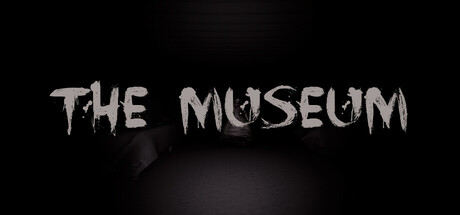
  • Genre Clarity: 7/10 — Horror survival clearly signaled. The distressed, hand-drawn typography and pure black background with minimal lighting immediately communicate a dark, survival horror tone. At tiny size, the sparse presentation and jagged letterforms still read as spooky/ominous, though the specific 'museum puzzle' angle is not visually apparent without context. Genre cues are strong for horror but lack gameplay-specific visual storytelling.
  • Title Readability: 7/10 — Readable title, minimal context loss. The title 'THE MUSEUM' is legible at full size with clear letterforms and strong contrast against black. At small (231×87) and tiny (120×45) sizes, the text remains readable due to its bold, hand-distressed design and generous spacing. However, at tiny size some fine texture detail in the letters begins to blur, and the lack of any accompanying tagline or context makes the capsule feel stark, though this actually reinforces the horror theme.
  • Contrast & Color: 8/10 — Strong value separation, minimal palette. The gray distressed text pops cleanly against the pure black background with excellent contrast ratio and clear silhouette definition. In grayscale, the separation is maximized; the lighting on the text creates depth without color dependency. At tiny size, the contrast remains unmuddy and reads well even under quick scroll, though the near-monochromatic palette offers limited warmth or visual richness.
  • Uniqueness & Polish: 6/10 — Minimalist design, limited distinctive hook. The hand-distressed typography is intentional and fits the horror theme, but the overall execution feels more like a deliberate aesthetic choice than a premium, polished product. The capsule communicates a mood rather than a unique selling point or memorable visual identity. Compared to top-tier horror capsules (Lies of P, Resident Evil 4, Senua's Saga), this feels more conceptual and less craft-driven; it works thematically but lacks standout visual storytelling or character/iconic imagery.
  • Brand Consistency: 5/10 — Minimal visual identity, no iconography. The capsule offers no recognizable character, symbol, or signature visual motif that could anchor brand recall. The distressed text style is the only consistent element, but it is generic to the horror genre and does not establish a unique identity cue. Without reference to the six store screenshots, this capsule presents only a mood/aesthetic rather than a memorable brand signal that would be distinct from other indie horror titles.
  • Composition: 6/10 — Centered title, minimal focal depth. The title is centered horizontally and positioned in the upper-middle region, creating a straightforward but uninspired hierarchy. There is no secondary focal point, layering, or supporting visual elements—just text on black. The layout is safe from cropping and reads consistently across sizes, but the empty lower half and lack of depth or context feel unambitious compared to the benchmark tier, which typically layer atmosphere, character, or environmental details.

What works

  • Strong contrast against dark background. Gray distressed text separates cleanly from pure black with excellent value contrast that holds at tiny size and resists blur.
  • Thematic, intentional typography choice. Hand-drawn, distressed letterforms immediately reinforce the horror mood and match the game's narrative premise.
  • Legible at small and tiny sizes. Title remains readable even at 120×45 due to bold weight, letter spacing, and high contrast ratio.

What hurts the capsule

  • No visual storytelling or unique imagery. Capsule communicates only a mood via typography; lacks character, environment, or iconic visual hook that differentiates from other indie horror titles.
  • Minimal brand identity or recognition cues. No memorable symbol, character, or signature motif that would enable later recognition in a storefront carousel.
  • Sparse composition with wasted negative space. Empty lower half and lack of supporting visual elements create an unfinished, underdeveloped look compared to premium-tier capsules.
  • No gameplay or unique mechanic hint. Capsule signals horror mood but does not communicate the 'puzzle-solving' or 'content creator' angle that differentiates this game from generic survival horror.

Priority fixes

  1. [genre_clarity] & [uniqueness_polish] Add a subtle atmospheric or environmental background element (e.g., shadowed museum architecture, silhouetted artifact, or creature hint) to hint at the puzzle/haunting mechanic while maintaining the dark aesthetic.
  2. [composition] Introduce a secondary focal point or visual element in the lower or side regions to create depth layering and improve composition hierarchy beyond centered text alone.
  3. [brand_consistency] Develop or incorporate a recognizable visual motif (iconic symbol, color accent, or character silhouette) that can anchor brand recall and differentiate from generic horror titles.
  4. [title_readability] Consider a subtle tagline or thematic subtext (e.g., 'The Curse Awaits') positioned below the title to add narrative context without sacrificing legibility at tiny size.

Store copy priority fixes

  1. [feature_communication] Create a bulleted feature section listing "Solve environmental puzzles," "Evade sound-reactive enemy," "Multiple branching endings," and "Immersive first-person perspective" for faster comprehension.
  2. [uniqueness] Add a sentence explaining what distinguishes the Museum's curse mechanic or Anya's behavior from other survival horror games (e.g., 'her sound-reactive hunting forces constant tension management unique to this experience').
  3. [audience_targeting] Insert a sentence directly addressing streamers and content creators: 'Perfect for content creators seeking an atmospheric, tense experience with natural replay value via multiple endings.'
  4. [feature_communication] Clarify difficulty and accessibility upfront by adding 'Customize your challenge with adjustable difficulty and sound-reactive mechanics that scale to your comfort level.'

Related guides

Steam app ID: 3792500 · Tags: Time Management, Casual, Action-Adventure, 3D, Adventure