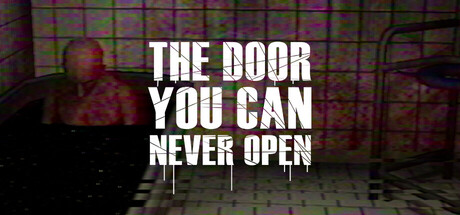
The door you can never open scores 77/100 — better than 84% of Adventure capsules (n=7,922).

Quick text summary

The door you can never open scored 77/100 on Steam Analyzer — Good for a Adventure capsule. Top priority fix: [genre_clarity] Add a subtle visual reference to the door-choice mechanic (e.g., a closed door silhouette or multiple door outlines) to differentiate from generic institutional horror and hint at core gameplay.

Capsule scores by dimension

  • Genre Clarity: 8/10 — Psychological horror with clear menace. The distorted figure, industrial horror setting with chain-link fence, and unsettling color palette immediately signal psychological horror. At TINY size, the warped silhouette and cold green-tinted environment still read as disturbing and genre-appropriate. The tagline reinforces dread and player agency themes central to indie psychological horror.
  • Title Readability: 9/10 — Excellent contrast and hierarchy. Bold white sans-serif text is clearly legible at full size and remains readable at SMALL size due to strong value contrast against the darker background. At TINY size, the title is still parseable though individual letters compress slightly. Strategic placement in the upper-center region avoids the distorted figure and maintains clean separation from background noise.
  • Contrast & Color: 8/10 — Strong value separation with color mood. Bright white title pops sharply against the muted purple-green palette and dark industrial background. The figure's reddish-pink tones create visual tension and separate from the cooler environment. Grayscale evaluation confirms the dark mid-tones and bright text maintain clear silhouette definition even at reduced sizes.
  • Uniqueness & Polish: 7/10 — Distinctive horror aesthetic with restraint. The distorted human figure and chain-link fence suggest institutional psychological horror rather than standard jump-scare design. The deliberate choice to obscure the figure's face and use unsettling chromatic distortion shows thematic craft. However, the industrial horror setting is a recognizable trope in indie horror, keeping it from reaching premium distinctiveness without additional visual signature elements.
  • Brand Consistency: 6/10 — Coherent mood but limited identity markers. The muted color palette and distorted figure create internal cohesion and align with psychological horror themes. Without access to additional store screenshots, the capsule establishes mood consistency but lacks a distinctive recurring symbol, character, or visual motif that would anchor brand recall. The aesthetic feels deliberately anonymous in service of unease rather than memorable branding.
  • Composition: 8/10 — Clear focal point with strong hierarchy. The distorted figure provides a primary visual anchor in the frame center, while the title dominates the upper region without competing for attention. The chain-link fence and industrial setting create layered depth that guides the eye naturally. Safe margins protect the title, and the composition remains legible at SMALL and TINY sizes with the figure and text both remaining clearly separated.

What works

  • Title legibility at scale. White sans-serif text maintains excellent readability from full size down to TINY thumbnail due to strategic contrast and clean spacing.
  • Clear horror genre signaling. Distorted figure, industrial setting, and cold color palette immediately communicate psychological horror without ambiguity.
  • Focused composition hierarchy. Single focal point (distorted figure) prevents visual clutter and maintains attention across all viewing sizes.
  • Thematic visual language. Chromatic distortion and institutional setting reinforce the game's core themes of reality distortion and psychological dread.

What hurts the capsule

  • Limited memorable visual identity. The capsule establishes mood effectively but lacks a distinctive character or symbol that would create strong brand recall versus other indie horror titles.
  • Generic industrial horror aesthetic. While well-executed, the chain-link facility and distorted humanoid figure draw from familiar psychological horror visual language without a unique hook.
  • No gameplay mechanic hint. The capsule communicates horror tone but does not visually suggest the door-choice mechanic or care-taking gameplay mentioned in the description.

Priority fixes

  1. [genre_clarity] Add a subtle visual reference to the door-choice mechanic (e.g., a closed door silhouette or multiple door outlines) to differentiate from generic institutional horror and hint at core gameplay.
  2. [uniqueness_polish] Introduce a recurring visual symbol or color accent that could function as a brand identity marker and elevate polish perception versus competitor titles like Dredge.
  3. [brand_consistency] Verify the palette and distortion effects match the 6 available store screenshots to ensure cohesive visual identity across all promotional materials.

Store copy priority fixes

  1. [hook_strength] Rewrite the closing of the short description to replace 'opening the wrong door might be your last' with a specific example of the distortion or threat tied to the father-care dilemma (e.g., 'but something in the house wants to prevent your escape').
  2. [uniqueness] Add 1-2 sentences to the detailed description that explicitly connect the caregiving role to the horror—how does your obligation to your father conflict with or amplify the presence's threat?
  3. [feature_communication] Add concrete examples under Features (e.g., 'manage your father's medications while reality fractures around you' or 'decide whether to open doors that might reveal his fate or yours').
  4. [tone_match] Remove or reframe the final promotional line about Deadly Chance, or move it to a separate 'About Developer' section to preserve the horror atmosphere.

Related guides

Steam app ID: 3815470 · Tags: Adventure, Interactive Fiction, Puzzle, 3D, First-Person