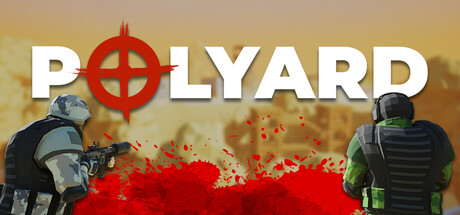
POLYARD scores 78/100 — better than 85% of Shooter capsules (n=2,327).

Quick text summary

POLYARD scored 78/100 on Steam Analyzer — Good for a Shooter capsule. Top priority fix: [uniqueness_polish] Introduce a distinctive visual element—such as a signature infected creature silhouette, evacuation transport, or unique color accent—that communicates the co-op evacuate-after-combat core loop and differentiates from generic military shooters.

Capsule scores by dimension

  • Genre Clarity: 8/10 — Clear tactical co-op shooter. Two armed figures in tactical gear facing a red hazard zone with a military-style crosshair logo immediately signals action gameplay and combat focus. At tiny size, the silhouettes of the soldiers and red danger visual remain legible enough to communicate a shooter, though specific co-op or infection themes are less obvious without context.
  • Title Readability: 9/10 — Bold, readable white sans-serif. POLYARD is rendered in large, clean white sans-serif with strong contrast against the tan-brown background and no competing elements at the top. The title remains fully readable at small and tiny sizes due to weight, spacing, and strategic placement above the action; no decorative fonts or small taglines undermine clarity.
  • Contrast & Color: 8/10 — Strong value separation and silhouettes. White title pops sharply against warm tan background; soldier silhouettes are dark and clearly separated from the mid-tone environment; red crosshair and splatter create strong accent color that draws the eye. In grayscale, the dark figures maintain clear distinction from background, and the composition reads well even under squint test.
  • Uniqueness & Polish: 7/10 — Solid craft, tactical military aesthetic. The crosshair logo, soldier poses, and red hazard splatter convey a cohesive tactical shooter identity with intentional art direction and clean effects. However, the overall composition—armed figures, red danger zone, tan military background—follows familiar action game visual language and lacks a distinctive hook or unique visual storytelling element that would elevate it to premium tier.
  • Brand Consistency: 7/10 — Coherent tactical military identity. The red crosshair motif, soldier silhouettes, and military color palette create an internally consistent brand voice that could be recognized across marketing materials. However, without reference to store screenshots, the identity feels generic to the tactical shooter category rather than distinctly memorable or iconic; no singular character, symbol, or signature visual elevates recognition beyond the subgenre itself.
  • Composition: 8/10 — Balanced hierarchy, strong focal point. Title anchors the top with clear priority; the red splatter and two soldier figures form a stable midground focal point that guides the eye downward; background tan creates safe layering without clutter. The composition survives cropping and maintains hierarchy at small and tiny sizes; no dead zones or awkward element placement, though soldiers are positioned slightly high in frame relative to dead space below.

What works

  • Title legibility across all sizes. Large white sans-serif POLYARD remains perfectly readable at tiny thumbnail size due to weight, contrast, and clean typography.
  • Clear genre and action intent. Soldier silhouettes, tactical gear, military crosshair logo, and red hazard zone immediately communicate action shooter gameplay without ambiguity.
  • Strong contrast and silhouette separation. Dark figures and red accents create sharp value separation against tan background, maintaining clarity even in grayscale and under quick-scroll conditions.

What hurts the capsule

  • Generic tactical shooter aesthetic. The soldier poses, military backdrop, and red hazard visuals follow familiar action game template language without a distinctive visual hook or unique selling point.
  • Limited brand identity specificity. The red crosshair and soldier silhouettes are functional but not iconic enough to differentiate POLYARD from other tactical shooters in genre-wide recognition.
  • Co-op and infection themes unclear at tiny size. While action is clear, the specific gameplay loop of co-op infected-clearing and evacuation is not visually communicated, reducing narrative clarity for cold viewers.

Priority fixes

  1. [uniqueness_polish] Introduce a distinctive visual element—such as a signature infected creature silhouette, evacuation transport, or unique color accent—that communicates the co-op evacuate-after-combat core loop and differentiates from generic military shooters.
  2. [brand_consistency] Develop and lock a signature visual motif (character, emblem, or color accent pattern) that could appear consistently across store page materials and be recognized as unique to POLYARD.
  3. [genre_clarity] Consider subtle visual cues—such as a zombie or infected figure element in the red zone—to clarify the infection/infected enemy theme beyond generic tactical combat.

Store copy priority fixes

  1. [feature_communication] Expand the detailed description to explain what 'tactically clearing' means mechanically (e.g., flanking positions, ability synergies, resource denial) and how the economy system rewards player choices beyond simply progressing to harder arenas.
  2. [uniqueness] Add a sentence that articulates a specific differentiator (e.g., 'The only co-op shooter where you must collectively manage evacuation logistics' or a unique mechanic tied to the low poly aesthetic or arena design).
  3. [feature_communication] Clarify the relationship between resources, money, and arena unlocks—are arenas earned, purchased, or randomized? What do players actually spend money on?
  4. [hook_strength] Open the detailed description with a more evocative statement than 'dynamic low poly shooter where survival turns into a profitable business'—lead with the core hook (co-op chaos, survival pressure, or arena progression) instead of a business metaphor.

Related guides

Steam app ID: 3910390 · Tags: Shooter, Action, Arena Shooter, Multiplayer, 3D