Scoring genre clarity...
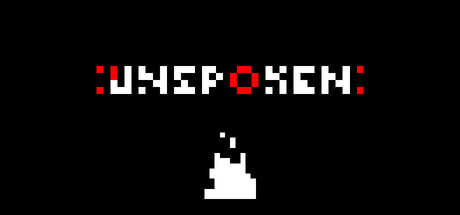
Unspoken capsule

Unspoken

Based on a true story, where someone goes through depression and a hard time. On the verge of suicide. It is a 2d puzzle platformer with some psychological horror elements. You will be controlling a whisp, we did this to leaving the interpretation of the Character to the players.

$4.993 user reviews
CasualAdventurePsychological Horror
Emanuele Ellul, Burstyn SantilloJan 10, 2026

Unspoken scores 63/100 — better than 7% of Casual capsules (n=10,153).

3 user reviews · $4.99 · Released Jan 10, 2026 · By Emanuele Ellul

Quick text summary

Unspoken scored 63/100 on Steam Analyzer — Solid for a Casual capsule. Top priority fix: [genre_clarity] Add a subtle environmental context element—small platform shapes, a puzzle grid motif, or a whisper-like particle trail—that hints at puzzle platformer gameplay without cluttering the design

Capsule scores by dimension

  • Genre Clarity: 5/10 — Ambiguous gameplay, unclear tone. The pixelated white wisp silhouette reads as abstract and minimal, which matches the intentional character interpretation design but fails to communicate puzzle platformer or psychological horror at tiny size. The red and white glitchy title suggests something unsettling, but without additional context clues like environmental hazards, platforms, or genre-specific UI elements, genre remains unclear from visuals alone.
  • Title Readability: 7/10 — Bold pixel font, readable at all sizes. The title uses a strong monospace pixel font with high contrast white letterforms and red accent blocks that remain legible even at tiny thumbnail size. At small size it reads cleanly; at full size the red pixel corruption effect adds visual interest without sacrificing clarity, though the tagline 'UNSPOKEN' maintains readability due to its prominent position.
  • Contrast & Color: 8/10 — Strong value separation, silhouette pops. White wisp and white title text create excellent contrast against the black background (#1b2838 equivalent), and red accent pixels add a secondary color pop that reads clearly even under grayscale. The clean separation and minimal palette ensure the design does not collapse at tiny size, with the white silhouette remaining distinct and readable during quick scroll.
  • Uniqueness & Polish: 6/10 — Intentional minimalism, lacks distinctive hook. The design shows deliberate artistic choice in its restraint and abstract wisp character, which aligns with the game's psychological themes and player interpretation intent. However, the minimal visual presentation feels more conceptually interesting than visually distinctive—it reads more as understated indie than premium or memorable, with no clear iconic motif that would stand out among peers like DREDGE or ANIMAL WELL.
  • Brand Consistency: 5/10 — Minimalist aesthetic, lacks memorable identity. The black background, white wisp, and red accents form a consistent internal palette, but without reference to the 6 store screenshots, the capsule lacks recognizable brand identity markers like a signature character pose, environmental detail, or visual motif that would reinforce the game's identity. The glitch effect on the title suggests psychological elements but does not create a distinctive brand cue that would be instantly recognizable across marketing materials.
  • Composition: 7/10 — Centered hierarchy, balanced but minimal. The composition places the title prominently at top center and the wisp in the lower center, creating a clear vertical hierarchy that survives at all sizes from full to tiny. The layout is clean and focused with good use of negative space, though the stark minimalism leaves considerable dead space that could risk feeling empty rather than intentional if the game's core visual identity is not already established in player awareness.

What works

  • Excellent contrast against dark Steam background. White and red elements separate cleanly from black, maintaining clear silhouette and readability even at 120×45 thumbnail size during quick scroll.
  • Legible pixel font title at all scales. Monospace letterforms with red accent blocks remain sharp and readable from full size down to tiny, supporting quick recognition without blur collapse.
  • Intentional design aligns with game concept. Minimalist abstract wisp and glitch effects subtly communicate psychological and uncertain themes consistent with the game's depression narrative.

What hurts the capsule

  • Genre unclear from visuals alone. A wisp silhouette and glitch text do not communicate puzzle platformer or horror gameplay, requiring prior knowledge to understand game type.
  • Generic minimalism lacks distinctive visual hook. The design is clean but does not establish a memorable brand identity or unique selling point that differentiates it from other minimal indie games.
  • Minimal composition risks feeling empty. Heavy use of negative space with only two focal elements (title and wisp) may read as underdone rather than intentional, especially without strong brand recognition.

Priority fixes

  1. [genre_clarity] Add a subtle environmental context element—small platform shapes, a puzzle grid motif, or a whisper-like particle trail—that hints at puzzle platformer gameplay without cluttering the design
  2. [uniqueness_polish] Introduce a signature visual motif or iconic wisp behavior (e.g., a specific color glow, trail pattern, or pose) that becomes the game's recognizable brand marker across all marketing
  3. [brand_consistency] Reference the 6 store screenshots to identify and reinforce recurring visual themes or palette choices that should appear in the capsule to strengthen brand cohesion

Store copy priority fixes

  1. [hook_strength] Rewrite the opening to lead with the unique player perspective ('Play as a whisp navigating the mind's breaking point') rather than expository summary, and add a single sentence that explains what makes this story compel someone to experience it.
  2. [tone_match] Revise the mechanical descriptions to match the serious, introspective tone—replace 'gravity changing, and rotating the world!' with language that reflects psychological transformation, such as 'reality shifts as you question your perception' or similar phrases that integrate theme and mechanic.
  3. [audience_targeting] Add 1-2 sentences clarifying the intended player type: is this primarily a narrative catharsis game that uses puzzles to explore mental health, or a puzzle-platformer that uses mental health as thematic context? This reduces ambiguity.
  4. [feature_communication] Explain how the 'texts to help or disrupt you' mechanic functions and why it matters—does narrative choice affect puzzle solutions? Do messages reinforce or contradict environmental cues?

Related guides

Steam app ID: 3918560 · Tags: Casual, Adventure, Psychological Horror, Puzzle Platformer, 2D