Quick text summary
RIP Love: A Story of Pain scored 62/100 on Steam Analyzer — Solid for a Adventure capsule. Top priority fix: [title_readability] Increase title font size and weight, simplify to 'RIP LOVE' only, ensure legibility at 120x45px by testing at actual TINY size.
Capsule scores by dimension
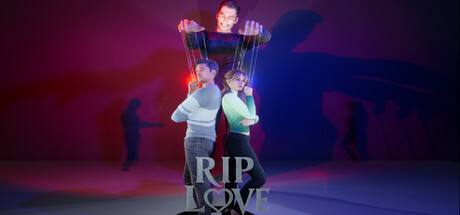
- Genre Clarity: 7/10 — Narrative drama with atmospheric tension. The visual composition—multiple figures, dramatic lighting, and melancholic color palette of purples and blues—signals a character-driven, emotional narrative experience rather than action-oriented gameplay. At TINY size, the silhouettes of the figures and the somber mood remain readable, though the specific genre nuance (grief-focused narrative adventure) is not immediately obvious without the title text. The staging feels theatrical and introspective, which aligns with indie narrative games.
- Title Readability: 5/10 — Title legible at full size, struggles tiny. The 'RIP LOVE' text is rendered in a clear, blocky font at full header size and sits in the lower third with reasonable contrast against the darker ground. However, at TINY size (120x45), the letterforms collapse and become difficult to parse—the tight spacing and moderate text size cause the title to blur into the background figures. The subtitle 'A Story of Pain' is nearly unreadable at small sizes and adds little value.
- Contrast & Color: 7/10 — Strong mood, good value separation. The purple-to-blue gradient backdrop with warm orange accent lights on the figures creates clear value separation and emotional resonance against the Steam dark background. The silhouettes of the characters read distinctly even at small sizes due to the bright clothing (white, green) contrasting against the darker midground. In grayscale, the foreground figures maintain sharp definition, though some of the atmospheric ambient light blends toward mid-tone muddiness in the background.
- Uniqueness & Polish: 6/10 — Competent but emotionally generic staging. The image uses professional lighting and composition, but the core visual—grouped figures with dramatic backlighting—is a common indie narrative game trope (similar positioning seen in games like Slay the Princess and similar story-driven titles). The distinctive hook lies in the emotional weight communicated through body language and color mood, but the overall execution feels solid rather than memorable or iconic. There are no distinctive visual motifs or art direction that immediately signal this specific game's unique identity.
- Brand Consistency: 5/10 — Generic aesthetic, limited identity signal. Without reference to the 13 store screenshots, this capsule alone does not establish a strong, memorable visual brand. The purple-blue palette and dramatic lighting are evocative but are used across many indie titles. No iconic character, distinctive symbol, or signature art style is visible that would allow recognition of this specific game later. The composition and mood are internally coherent, but cohesion alone does not create a distinctive brand identity.
- Composition: 7/10 — Clear layered hierarchy, safe placement. The composition features a strong three-layer structure: dark atmospheric background, central figures in midground, and title anchored in the lower safe margin. The primary focal point—the clustered figures with bright clothing—is centered and draws attention immediately at all sizes. At TINY size, the composition remains readable, though title prominence suffers. The use of vertical staging (figures stacked upward) creates depth, and no critical elements sit dangerously close to edges.
What works
- Emotionally evocative color palette. The purple-to-blue gradient with warm orange highlights creates strong mood and contrast against the Steam dark background, signaling a narrative-driven, emotionally heavy experience.
- Clear focal point and layered depth. The grouped figures in the center with strong silhouettes against the background establish an immediate focal point that reads well even at TINY size, supported by clear foreground-midground-background separation.
- Professional lighting and craft. The use of dramatic backlighting and staged positioning demonstrates competent visual design and intentional art direction throughout the composition.
What hurts the capsule
- Title illegible at tiny size. The 'RIP LOVE' text collapses at TINY size (120x45) due to tight letterform spacing and moderate font size relative to overall dimensions, severely reducing discoverability in quick scroll.
- Generic visual language. The dramatic group staging with theatrical lighting is a common indie narrative game visual cliché, lacking distinctive motifs or signature art style that would make this game memorable or instantly recognizable.
- Subtitle adds clutter without value. The 'A Story of Pain' tagline is unreadable at small sizes and consumes text real estate without contributing to quick genre or title recognition.
Priority fixes
- [title_readability] Increase title font size and weight, simplify to 'RIP LOVE' only, ensure legibility at 120x45px by testing at actual TINY size.
- [genre_clarity] Consider adding a subtle visual motif or UI element (e.g., broken heart icon, grief visual metaphor) to differentiate the game's unique emotional focus from generic narrative drama.
- [uniqueness_polish] Introduce a distinctive color accent or lighting signature that would be immediately recognizable across store screenshots and create a memorable visual identity.
Store copy priority fixes
- [genre_clarity] Remove or reconcile conflicting tags—confirm whether this is a pure visual novel/walking simulator or if it includes platforming/hidden objects, then rewrite the gameplay section to match.
- [hook_strength] Lead the short description with a specific emotional premise or narrative hook (e.g., 'Follow a protagonist's descent into grief after an unexpected betrayal') instead of listing abstract themes.
- [feature_communication] Replace 'Gameplay' bullets with a concrete description of how players interact with the world—do they walk through environments, make dialogue selections, solve puzzles, or observe scenes?
- [uniqueness] Add a story premise or thematic angle that explains why this tale of pain matters—what is the protagonist's specific loss, and what truth or insight does the game offer about grief?
Related guides
Steam app ID: 3957640 · Tags: Adventure, Interactive Fiction, Visual Novel, Walking Simulator, 3D Platformer