Scoring genre clarity...
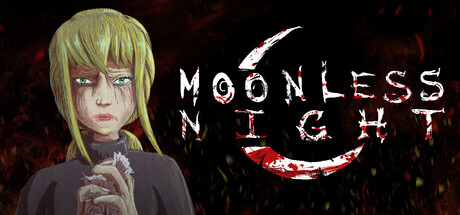
Moonless Night capsule

Moonless Night

Moonless Night is a psychological horror game where you explore Selene’s mind, uncover her sins, and escape a labyrinth of shadows. Every choice matters—face the darkness and discover one of six different endings.

$2.994 user reviews
ExplorationMystery DungeonAdventure
Tzompixel StudioOct 9, 2025

Moonless Night scores 73/100 — better than 61% of Exploration capsules (n=4,872).

4 user reviews · $2.99 · Released Oct 9, 2025 · By Tzompixel Studio

Quick text summary

Moonless Night scored 73/100 on Steam Analyzer — Good for a Exploration capsule. Top priority fix: [title_readability] Simplify the glitch effect on letters to maintain consistent letterform clarity at small sizes while preserving distress aesthetic.

Capsule scores by dimension

  • Genre Clarity: 8/10 — Psychological horror clearly conveyed. The pale female character with unsettling expression, combined with the blood-red crescent moon and distressed title treatment, immediately signals horror and psychological darkness. At TINY size, the character silhouette and red accent remain readable, though fine facial details blur; the overall mood stays intact and genre-appropriate.
  • Title Readability: 7/10 — Readable with intentional distress. MOONLESS NIGHT uses a deliberate glitch/horror font with red slash accents that remains legible at SMALL size and mostly readable at TINY, though some letter forms compress slightly. The title placement on the right side with dark background support ensures it does not fight against the character; however, the decorative slashing effect could cause minor clarity loss at the smallest viewport.
  • Contrast & Color: 8/10 — Strong light-dark separation. The pale blonde character and light skin tones contrast sharply against the dark red and black background, creating clear silhouette separation that persists at TINY size. The red crescent moon moon pops distinctly; in grayscale, the value separation between subject and background remains strong, ensuring the primary focal point reads immediately even under quick scroll.
  • Uniqueness & Polish: 7/10 — Distinctive psychological horror identity. The character design with asymmetrical eye makeup and pained expression, paired with the intentionally broken/glitched title treatment, signals a premium indie horror title with clear artistic intent rather than generic theme reuse. The red crescent as a motif choice feels deliberate and thematic; however, the execution is competent rather than groundbreaking, placing it solidly in good territory without extraordinary polish.
  • Brand Consistency: 7/10 — Cohesive dark psychological aesthetic. The pale protagonist, red/black color palette, and distressed typography create internal visual harmony that would remain recognizable across marketing materials. The character design and color scheme form a memorable identity; however, without seeing the five store screenshots referenced, this score reflects only the capsule's internal consistency, which is strong but not iconic enough to guarantee standalone instant recall.
  • Composition: 7/10 — Clear focal point with balanced layout. The character occupies the left-center area as the primary focal point, while the title anchors the right side, creating natural left-to-right eye flow without clutter. The dark background provides breathing room; however, at TINY size the character face detail compresses and the title glitch effects flatten slightly, though the overall hierarchy remains intact and the composition does not suffer significant crop resilience issues.

What works

  • Strong emotional hook. The character's pained expression and unsettling makeup immediately communicate psychological distress and horror narrative intent.
  • Solid contrast against Steam dark background. Pale character skin and red accents create clear separation from the #1b2838 background, ensuring visibility at all viewport sizes.
  • Thematic visual cohesion. Red crescent moon, glitched typography, and dark palette work together to reinforce the psychological horror and labyrinth concept.

What hurts the capsule

  • Decorative font loses precision at tiny size. The slashed letters in MOONLESS NIGHT compress and blur at TINY viewport, reducing title clarity despite remaining readable.
  • Character detail compression at small sizes. Fine facial features and makeup asymmetry that create emotional impact at full size collapse into a general pale face silhouette at TINY.
  • Limited visual storytelling of core mechanic. The capsule communicates mood and horror theme but does not visually hint at the 'labyrinth,' 'choices,' or 'six endings' that differentiate the game.

Priority fixes

  1. [title_readability] Simplify the glitch effect on letters to maintain consistent letterform clarity at small sizes while preserving distress aesthetic.
  2. [genre_clarity] Add a subtle environmental or symbolic element (e.g., shadowy maze walls, fractured mirror, or symbolic object) to reinforce the labyrinth exploration and psychological depth beyond mood alone.
  3. [composition] Consider slight character repositioning to create more foreground-midground-background layering, improving depth perception at TINY size where the character currently reads as slightly flat.

Store copy priority fixes

  1. [hook_strength] Rewrite the short description opening to lead with the unique core verb or emotional core instead of "explore the mind"—e.g., "Uncover the buried truth that haunts Selene before her mind consumes her" or similar specificity that avoids cliché.
  2. [uniqueness] Add 1–2 sentences to the detailed description explaining what makes this psychological horror narrative or mechanics distinct—whether it's the amnesia framing, the number of interactive characters, or the nature of the puzzles.
  3. [tone_match] Dial back one or two of the most overwrought phrases ("cryptic pages that whisper," "labyrinth of shadows") to tone-match the pixel-art medium and avoid raising false expectations about visual or production scale.

Related guides

Steam app ID: 3980180 · Tags: Exploration, Mystery Dungeon, Adventure, Puzzle, Interactive Fiction