Scoring genre clarity...
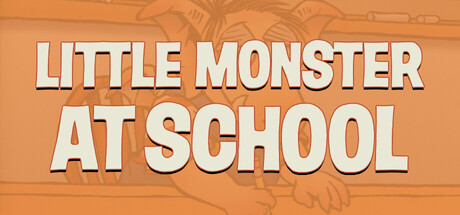
Little Monster at School capsule

Little Monster at School

Explore and share the Mercer Mayer’s classic, adapted into an interactive animated adventure! Little Monster brings the story alive one word at a time, offering a reading mode which is fully animated and voiced. An interactive story with lots of bonuses and secrets to discover!

$9.99
CasualEducationPoint & Click
Brøderbund, Jordan Freeman Group, Living Books, Wanderful Interactive StorybooksDec 26, 2025

Little Monster at School scores 60/100 — better than 0% of Casual capsules (n=10,153).

$9.99 · Released Dec 26, 2025 · By Brøderbund

Quick text summary

Little Monster at School scored 60/100 on Steam Analyzer — Solid for a Casual capsule. Top priority fix: [genre_clarity] Add a visible character (Little Monster) or iconic interactive element (open book, reading scene, or story progression visual) to immediately communicate the narrative-adventure genre and core mechanic.

Capsule scores by dimension

  • Genre Clarity: 5/10 — Ambiguous casual narrative game. The title and orange schoolhouse background suggest an educational or children's narrative game, but the capsule provides no visual gameplay hints, UI elements, or character interaction cues. At tiny size, only the title and warm background remain readable, leaving the actual game type (interactive storybook vs. educational adventure) unclear without prior knowledge.
  • Title Readability: 8/10 — Strong at full, solid at tiny. The white-outlined title text is legible and well-positioned in the upper half against the orange background. At small and tiny sizes, the bold sans-serif letterforms remain decipherable due to high contrast and clean spacing. The outline thickness supports retention even at 120x45 thumbnail, though fine serif details are lost.
  • Contrast & Color: 7/10 — Warm orange with adequate contrast. The bright orange background contrasts moderately well against Steam's dark theme (#1b2838), and the white title text is highly visible at all sizes. However, the faint schoolhouse line-art texture in the background creates visual noise that reduces silhouette clarity and doesn't add meaningful depth when squinting or viewing at tiny size.
  • Uniqueness & Polish: 5/10 — Generic educational game aesthetic. The capsule presents a safe, competent children's book aesthetic with orange warmth and simple typography, but lacks distinctive visual hooks or memorable art direction. No character, iconic symbol, or unique gameplay visual is shown to set it apart from countless other casual educational games; it reads as a template approach rather than a premium or distinctive title.
  • Brand Consistency: 5/10 — Minimal brand identity signals. The orange and white color scheme is consistent and appropriate for children's media, but no recognizable character, signature motif, or iconic symbol appears to establish lasting brand recognition. Without visible character representation (Little Monster itself) or a distinctive visual signature, the capsule offers limited identity anchors for future recognition.
  • Composition: 6/10 — Centered title, minimal focal point. The title is centered and occupies most of the visual real estate, leaving the background texture as supporting negative space. At full header size this works, but at small and tiny sizes the composition offers no secondary focal point or depth layering—only flat title over flat background—creating a one-note visual hierarchy that doesn't reward sustained attention.

What works

  • Legible title at all sizes. The white-outlined sans-serif title remains readable from full header down to tiny thumbnail due to bold letterforms and high outline contrast.
  • Warm, appealing color for target audience. The orange palette is inviting and appropriate for children's media, creating positive emotional association without aggression.
  • Safe, professional execution. Typography is clean, spacing is intentional, and the overall presentation is polished and free of distracting artifacts or misalignment.

What hurts the capsule

  • No character or visual hook present. The capsule shows only title and background texture with no visible Little Monster character or gameplay element to communicate core identity or appeal.
  • Generic visual language. Orange schoolhouse aesthetic could apply to dozens of children's educational games, offering no distinctive silhouette or unique art direction to stand out in genre browsing.
  • Shallow composition and depth. The flat arrangement of centered text over uniform background provides no secondary focal point, eye-guidance, or layered visual storytelling at small sizes.
  • Faint background texture adds visual noise. The schoolhouse line-art detail muddies the silhouette clarity when squinting or viewing at tiny size, reducing overall visual punch against dark Steam background.

Priority fixes

  1. [genre_clarity] Add a visible character (Little Monster) or iconic interactive element (open book, reading scene, or story progression visual) to immediately communicate the narrative-adventure genre and core mechanic.
  2. [uniqueness_polish] Introduce distinctive art style or visual identity cue—either a signature character pose, unique color accent, or thematic icon—that differentiates this from generic educational game templates.
  3. [composition] Layer foreground character or element with meaningful background depth to create visual hierarchy and focal point that reads at small and tiny sizes.
  4. [contrast_color] Simplify or darken the background texture to reduce noise and improve silhouette separation of the title and any new character element against the orange.

Store copy priority fixes

  1. [hook_strength] Rewrite the opening to lead with a child-centric emotional hook: 'Follow Little Monster's first day at school in this fully animated, voiced storybook adventure' before mentioning the Mercer Mayer IP.
  2. [uniqueness] Add 1-2 sentences explaining what makes this 2024 re-release special beyond the 1993 original: new interactive mini-games, updated art, expanded hidden scenes, or enhanced controls for modern devices.
  3. [feature_communication] Replace 'interactive' with specific verbs: 'Click on characters and objects to discover secrets,' 'solve mini-puzzles,' or 'unlock hidden scenes' so players understand the gameplay loop.
  4. [audience_targeting] Add a sentence explicitly naming the age range: 'Perfect for early readers ages 3–7' or 'Designed for children just starting their reading journey' to sharpen targeting.

Related guides

Steam app ID: 4056640 · Tags: Casual, Education, Point & Click, Visual Novel, 2D