Scoring genre clarity...

SlayBall Brick Breaker capsule

SlayBall Brick Breaker

SlayBall Brick Breaker is a fun twist on classic Brick Breaker games. Play an endless arcade mode where you put your skills to the test as you try and destroy as many bricks as possible and beat your high score.

$3.99
CasualArcadeScore Attack
Ziecon StudiosDec 18, 2025

SlayBall Brick Breaker scores 78/100 — better than 82% of Casual capsules (n=10,153).

$3.99 · Released Dec 18, 2025 · By Ziecon Studios

Quick text summary

SlayBall Brick Breaker scored 78/100 on Steam Analyzer — Good for a Casual capsule. Top priority fix: [uniqueness_polish] Introduce a distinctive visual hook or character element that differentiates SlayBall from generic neon arcade templates and becomes a recognizable brand symbol.

Capsule scores by dimension

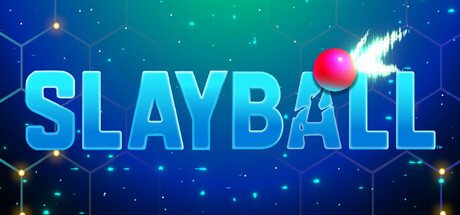
  • Genre Clarity: 8/10 — Arcade action game clearly communicated. The bright ball with trailing effect in the top right and the brick-breaking game mechanics are instantly recognizable as casual arcade/puzzle gameplay. The dynamic motion lines and neon aesthetic signal fast-paced action. At tiny size, the glowing ball and trail remain the primary focal point that communicates the genre without ambiguity.
  • Title Readability: 9/10 — Bold cyan text reads at all sizes. SLAYBALL is rendered in large, high-contrast cyan with strong outlines against the dark blue gradient background. The letterforms are clean, spacing is consistent, and the text occupies prime real estate in the center-left. Even at tiny thumbnail size, the chunky sans-serif holds together and remains legible due to the bright color separation and thick stroke weight.
  • Contrast & Color: 9/10 — Excellent neon-to-dark separation. Bright cyan title and glowing magenta ball create strong value contrast against the deep blue-to-teal gradient background. The hexagon grid pattern and starfield add depth without competing. In grayscale, the bright elements still separate clearly, and the glowing white trail on the ball reinforces silhouette clarity at small sizes.
  • Uniqueness & Polish: 7/10 — Polished but familiar arcade aesthetic. The neon glow effects, hexagon grid, and particle lighting are well-executed but follow a conventional sci-fi gaming template. The magenta ball with motion trail is the strongest unique hook, suggesting an energetic twist on brick breaker. The craft is solid and premium-looking, but the overall visual approach sits within expected casual indie game territory rather than standing apart visually.
  • Brand Consistency: 6/10 — Clean but no distinctive identity marker. The cyan and magenta color palette, neon glow style, and hexagon motif are internally consistent and coherent across the image. However, there are no iconic symbols, character marks, or signature visual elements that would make SlayBall immediately recognizable on repeat viewing. The aesthetic is professional but generic within the neon-arcade space.
  • Composition: 8/10 — Strong focal point with balanced hierarchy. The glowing ball dominates the top-right quadrant as the primary focal point, with the bold title anchoring the left-center area. The hexagon grid and stars provide supporting visual interest without cluttering. Safe margins are respected, and the composition remains readable at small sizes with the ball and title as clear priorities.

What works

  • Title legibility at thumbnail size. Large cyan letters with strong outline maintain clarity even at 120×45px due to thick stroke weight and high color contrast.
  • Clear genre communication. The motion-trail ball and arcade visual language instantly signal casual brick-breaker gameplay without ambiguity.
  • Professional neon aesthetic. Glowing effects, gradient, and particle elements are cleanly executed and create a polished, premium feel.
  • Effective focal point hierarchy. Ball and title work together to guide attention; supporting grid and stars do not compete for focus.

What hurts the capsule

  • Generic sci-fi template feel. Hexagon grids, neon glows, and starfields are common in casual indie games, limiting visual distinctiveness.
  • No memorable brand symbol. No iconic mascot, character, or signature motif that would make SlayBall instantly recognizable in future materials.
  • Limited unique selling point communication. Visuals show it is a brick breaker but do not clearly convey what the 'slay' twist or unique mechanic is.

Priority fixes

  1. [uniqueness_polish] Introduce a distinctive visual hook or character element that differentiates SlayBall from generic neon arcade templates and becomes a recognizable brand symbol.
  2. [brand_consistency] Develop a signature icon or mascot design that appears consistently across all marketing materials to build immediate brand recall.
  3. [genre_clarity] Subtly strengthen the twist mechanic visual—consider a secondary UI element or particle effect that hints at what makes this brick breaker different from classics.

Store copy priority fixes

  1. [hook_strength] Rewrite the short description to lead with the procedurally generated mechanic or momentum-driven gameplay rather than 'fun twist'—e.g., 'SlayBall Brick Breaker randomizes every board and rewards split-second reflexes; chase high scores in endless arcade runs.'
  2. [uniqueness] Add a sentence in the detailed description that explicitly differentiates SlayBall from static brick breaker games—e.g., 'Unlike traditional brick breakers with fixed puzzles, every run is procedurally unique, keeping you sharp and the gameplay fresh.'
  3. [audience_targeting] Expand the detailed description's opening to acknowledge both competitive and casual players—e.g., 'Pick your difficulty, then dive into a fresh, procedurally generated layout every time—whether you're hunting a new personal best or settling in for relaxed play.'
  4. [feature_communication] Describe the visual style and art direction with concrete detail instead of vague claims—e.g., reference the colorful/futuristic/retro aesthetic in the tags with specific examples of the art's look.

Related guides

Steam app ID: 4083160 · Tags: Casual, Arcade, Score Attack, Singleplayer, 2D