Scoring genre clarity...
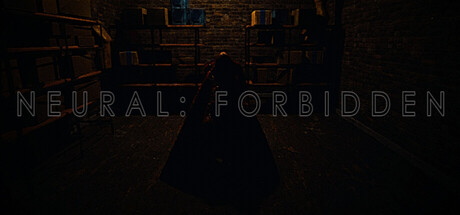
Neural: Forbidden capsule

Neural: Forbidden

Natasha descends into a place that doesn’t exist, shaped by guilt, fear, and memory. Among the ruins of thoughts and the echoes of a familiar voice, reality twists like a dream. - Where am I?... Dad? A psychological horror and puzzle game that seeks to disturb you before going to sleep.

$2.992 user reviews
IndieHorrorPsychological Horror
NoDays GamesNov 4, 2025

Neural: Forbidden scores 60/100 — better than 0% of Indie capsules (n=11,449).

2 user reviews · $2.99 · Released Nov 4, 2025 · By NoDays Games

Quick text summary

Neural: Forbidden scored 60/100 on Steam Analyzer — Solid for a Indie capsule. Top priority fix: [title_readability] Increase font weight or scale the title outline to ensure legibility at TINY (120x45) thumbnail size—test against compressed preview.

Capsule scores by dimension

  • Genre Clarity: 7/10 — Psychological horror clearly signaled. The dark, architectural ruins with warm amber lighting and a solitary silhouette in shadow effectively communicate psychological horror and mystery. At TINY size, the ominous ruins and silhouette remain readable enough to signal the genre, though the specific 'puzzle' element is not visually obvious. The dreamlike, distorted perspective and moody color palette align well with the description of guilt and twisted reality.
  • Title Readability: 5/10 — Title readable at full, fades at tiny. The title 'NEURAL: FORBIDDEN' is rendered in a thin, outlined font positioned in the upper-middle area with reasonable contrast against the dark background. At SMALL size, the letterforms remain distinguishable; however, at TINY thumbnail size (120x45), the thin outline collapses and becomes difficult to parse without prior knowledge of the game. The spacing and positioning are clean, but the font weight is too delicate for small scales.
  • Contrast & Color: 6/10 — Moody but lacks silhouette punch. The warm orange/amber lighting in the ruins creates atmospheric separation from the near-black foreground and sky, but the overall value range is compressed into dark to mid-tone territory. The central silhouette blends into the shadow-heavy composition, reducing immediate visual pop against Steam's #1b2838 background. The grayscale test shows limited separation; the subject lacks a crisp edge that would hold at quick scroll speed.
  • Uniqueness & Polish: 6/10 — Atmospheric but somewhat template-like. The architectural ruin environment with warm lighting is well-rendered and thematically appropriate for psychological horror, but it follows familiar visual tropes from the indie horror genre (compare to DREDGE's somber aesthetic). The solitary figure and dream-logic distortion are compelling, but the capsule reads as competent atmospheric design rather than a distinctive hook that separates it from peer titles. No iconic character, symbol, or unique visual mechanism jumps out.
  • Brand Consistency: 6/10 — Cohesive internal style, limited identity. The rendering style, color palette (dark with warm amber accents), and architectural environment maintain visual consistency within the capsule itself. However, without reference to the 10 available store screenshots, it is difficult to identify signature brand elements—no recognizable character silhouette, motif, or palette that would make this instantly reidentifiable. The monolithic ruins could belong to several psychological horror titles.
  • Composition: 6/10 — Centered focus, safe but static. The solitary silhouette in the center provides a clear focal point, and the layered depth (distant ruins, middle ground architecture, dark foreground) creates visual hierarchy. However, the composition feels centered and static; the figure dominates but does not guide the eye through the space dynamically. At SMALL and TINY sizes, the composition reads as a dark, quiet scene but lacks the visual momentum or directional cue that would enhance discovery appeal during a quick scroll.

What works

  • Thematic atmosphere strong. The warm architectural lighting and dark silhouette effectively communicate the psychological horror and dreamlike world described in the game's narrative.
  • Clear title positioning. The title placement in the upper-middle area avoids edge cropping and maintains clean spacing from the visual subject.
  • Depth layering readable. The foreground shadow, midground ruins, and distant lit architecture create a convincing sense of three-dimensional space that supports the 'descending' narrative.

What hurts the capsule

  • Title font too thin at scale. The outline-style letterforms lose legibility at TINY size and will be nearly unreadable in a scrolling Steam library view.
  • Silhouette lacks contrast separation. The central figure blends too heavily into the shadow-dominated composition, reducing visual pop and immediate readability against the Steam dark background.
  • Generic architectural aesthetic. The ruin environment, while well-lit, does not establish a visually distinctive or memorable brand identity compared to other indie psychological horror titles.
  • Static centered composition. The focal point is stable but passive; there is no visual direction or dynamic element that encourages eye movement or creates a sense of narrative momentum.

Priority fixes

  1. [title_readability] Increase font weight or scale the title outline to ensure legibility at TINY (120x45) thumbnail size—test against compressed preview.
  2. [contrast_color] Lighten the silhouette or add a subtle rim-light halo around the central figure to increase separation from the dark background and improve pop during quick scroll.
  3. [uniqueness_polish] Introduce a distinctive visual signature—a unique environmental detail, iconic gesture, or symbolic object—that differentiates the capsule and makes it memorable versus competitor psychological horror titles.
  4. [composition] Add subtle directional lighting or a lead-in element (fog, reflection, architectural line) that draws the eye upward or into the space, creating dynamic visual flow rather than static centering.

Store copy priority fixes

  1. [feature_communication] Add a specific example of a core puzzle mechanic or interaction. For example: 'Use your camera to uncover hidden details in the environment that unlock new areas' or 'Solve memory-based puzzles that reflect Natasha's fractured recollection.'
  2. [hook_strength] Rewrite the short description's final clause to lead with gameplay instead of mood: replace 'seeks to disturb you before going to sleep' with a verb-forward reason to play, e.g., 'Explore a fractured mindscape, uncover the truth about her father, and piece together fragmented memories through first-person exploration and puzzle-solving.'
  3. [uniqueness] Add one sentence that articulates what makes this game distinct in the psychological horror space. For example: 'Unlike traditional horror games, every environment is a manifestation of Natasha's trauma—solving puzzles literally rewrites her reality.' or 'Blends third-person narrative cutscenes with first-person immersive exploration to blur the line between observer and victim.'
  4. [feature_communication] Clarify the mixed-perspective mechanic earlier and with more detail, such as 'Switch between first-person exploration (where you feel Natasha's presence) and third-person scenes (where you observe her story from outside) to piece together the full narrative.'

Related guides

Steam app ID: 4096020 · Tags: Indie, Horror, Psychological Horror, Singleplayer