Scoring genre clarity...
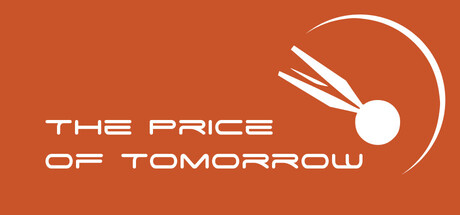
The price of tomorrow capsule

The price of tomorrow

The price of tomorrow is a story-driven sci-fi drama about the choice between a corporation and the people of planet Chenora. As Jack Butler, you negotiate, break taboos, and decide the planet’s fate. Yield to the temptations of Omnilat — and choose wisely.

$2.996 user reviews
Visual NovelInteractive FictionStory Rich
Gleb&AleksandrApr 14, 2026

The price of tomorrow scores 60/100 — better than 0% of Visual Novel capsules (n=1,147).

6 user reviews · $2.99 · Released Apr 14, 2026 · By Gleb&Aleksandr

Quick text summary

The price of tomorrow scored 60/100 on Steam Analyzer — Solid for a Visual Novel capsule. Top priority fix: [genre_clarity] Integrate a subtle character silhouette or environmental element (planet surface, corporate skyline) into the composition to signal narrative adventure rather than abstract puzzle game.

Capsule scores by dimension

  • Genre Clarity: 5/10 — Ambiguous genre identity unclear. The minimalist geometric design with a white sphere and curved lines suggests sci-fi, but at tiny size the visual language reads as abstract rather than narrative adventure or RPG. The title text dominates but provides no gameplay hints—no character silhouettes, UI elements, or environmental context that would clarify this is story-driven sci-fi drama. Genre cohesion suffers because the image could apply to puzzle games, tech apps, or abstract experiences equally well.
  • Title Readability: 7/10 — Title legible at small but thin lines weaken. The white geometric sans-serif title 'THE PRICE OF TOMORROW' remains readable at small and tiny sizes due to high contrast against the burnt orange background and clean letter spacing. However, the thin stroke weight of the geometric typeface begins to break apart at tiny size, particularly in letters like 'E' and 'R', reducing confidence in legibility during quick scrolls. The stacked two-line layout is smart for space efficiency but relies on sustained attention.
  • Contrast & Color: 7/10 — Strong value separation supports readability. The warm burnt orange (#C65A2D approximate) background pairs with crisp white text and geometric elements, creating excellent value contrast that maintains clarity even against Steam's dark background. The white sphere and lines silhouette distinctly against the orange field. At tiny size the color separation holds, though the orange-on-dark-background loses some pop compared to cooler or more saturated accent tones that typically dominate premium indie capsules.
  • Uniqueness & Polish: 6/10 — Minimalist but generic sci-fi aesthetic. The design demonstrates clean craft with deliberate geometry—the orbital circle, angled trajectory lines, and balanced white sphere suggest intentional symbolism around orbits or planetary systems. However, the visual treatment feels more like a corporate or tech brand than a narrative-driven RPG, lacking character presence, visual storytelling, or distinctive hooks that communicate 'story-driven sci-fi drama about negotiation and moral choices.' It reads as competent but generic against top-tier indie capsules.
  • Brand Consistency: 5/10 — No recognizable character or signature motif. The capsule relies entirely on abstract geometric elements—sphere, curves, text—with no character, iconic symbol, or distinctive visual language that would establish a memorable brand identity. Without access to the full game's visual identity, the minimalist approach feels disconnected from narrative-driven story games which typically feature protagonist faces, environmental mood, or thematic imagery. The color palette is cohesive internally but not distinctive enough to be recognized in a crowded store.
  • Composition: 6/10 — Balanced but flat, lacks focal depth. The layout distributes text on the left and geometric elements on the right, creating symmetrical balance that holds at all sizes. However, the composition lacks clear focal hierarchy—the white sphere and curves sit equally important to the text, creating visual competition rather than guided attention. The flat single-plane design offers no depth layering (background, midground, foreground), and at tiny size the entire image compresses into an undifferentiated field of burnt orange with white marks, losing visual storytelling impact.

What works

  • Title contrast and readability. White geometric sans-serif on burnt orange maintains legibility across full, small, and tiny sizes with clean letter spacing and straightforward hierarchy.
  • Value separation against Steam dark background. Warm orange and white combination creates strong silhouette clarity that prevents the capsule from fading into the dark Steam interface during scrolls.
  • Intentional minimalist craft. The geometric elements show deliberate design with balanced proportions and symbolic orbital imagery suggesting thoughtful creative direction.

What hurts the capsule

  • Genre and tone ambiguity. The abstract sci-fi aesthetic fails to communicate 'story-driven narrative adventure' and could equally represent puzzle games, tech tools, or abstract experiences.
  • No protagonist or narrative visual hook. The capsule lacks any character silhouette, thematic environment, or visual storytelling that would signal a choice-driven drama centered on protagonist Jack Butler and moral decisions.
  • Flat composition without visual depth. Single-plane arrangement with geometric elements competing equally for attention creates no focal hierarchy or layered visual interest at tiny size.
  • Generic sci-fi aesthetic without brand identity. The minimalist approach reads as corporate or tech branding rather than establishing a distinctive visual identity recognizable across marketing materials.

Priority fixes

  1. [genre_clarity] Integrate a subtle character silhouette or environmental element (planet surface, corporate skyline) into the composition to signal narrative adventure rather than abstract puzzle game.
  2. [uniqueness_polish] Add atmospheric visual storytelling—warm lighting on a character face, negotiation UI hints, or thematic imagery—to communicate the choice-driven drama core mechanic.
  3. [composition] Reorganize layout to establish clear focal hierarchy with the white sphere or a new character element as primary focal point, with text supporting rather than competing.
  4. [brand_consistency] Develop a signature visual motif or color accent (beyond white and orange) that connects to the corporation-vs-people theme and would be recognizable across store screenshots and marketing.

Store copy priority fixes

  1. [uniqueness] Add a 1-2 sentence statement that articulates what makes this diplomatic sci-fi narrative distinct—e.g., 'Unlike games where you choose sides, your choices here directly determine whether Chenora's ancient culture is preserved or exploited' to differentiate from Mass Effect or similar choice games.
  2. [feature_communication] Clarify the scope of gameplay beyond negotiations: specify if the game includes exploration phases, relationship-building mechanics, or other systems so players understand the full experience structure.
  3. [audience_targeting] Add explicit mention of estimated playtime and whether the game rewards multiple playthroughs or has hidden branching paths to help players understand commitment level and replay value.

Related guides

Steam app ID: 4134670 · Tags: Visual Novel, Interactive Fiction, Story Rich, Multiple Endings, Choices Matter