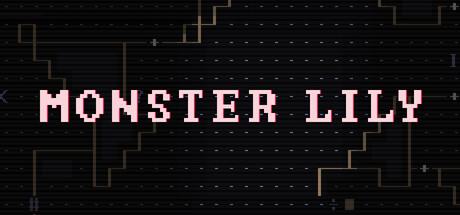
Monster Lily scores 70/100 — better than 26% of Traditional Roguelike capsules (n=148).

Quick text summary

Monster Lily scored 70/100 on Steam Analyzer — Good for a Traditional Roguelike capsule. Top priority fix: [uniqueness_polish] Integrate a distinctive visual hook such as a recognizable character silhouette, iconic symbol, or thematic element (e.g., college-specific imagery or a signature creature) that communicates Monster Lily's unique identity within the roguelike space.

Capsule scores by dimension

  • Genre Clarity: 7/10 — ASCII roguelike identity clear. The pixel art grid pattern, ASCII-style lettering, and retro digital aesthetic immediately signal a roguelike or tactical indie game. The stark monochrome palette with gold accents on a dark background communicates a classic dungeon-crawler vibe, though the specific college setting is not visually implied. At tiny size, the pixelated grid and retro styling still register as roguelike, though genre nuance becomes harder to parse.
  • Title Readability: 8/10 — Bold pixel font reads well. MONSTER LILY is rendered in a clean, chunky pixel font with strong white letterforms against the dark background and minimal competing elements in the title region. The text sits on a relatively clean dark area with grid patterns that frame rather than obscure it. At small and tiny sizes, the font holds legibility well, though at the tiniest scale individual letters begin to compress slightly—still readable due to high contrast and letter spacing.
  • Contrast & Color: 8/10 — High contrast white on dark. The white title text creates excellent value separation against the #1b2838-equivalent dark background, and the subtle gold grid accents add warmth without muddying the core read. The overall composition uses limited but effective color—whites, dark navy/blacks, and warm gold tones create clean silhouettes with no muddy midtones. In grayscale, the white-to-dark contrast remains strong and readable at all sizes, and edge definition is crisp.
  • Uniqueness & Polish: 6/10 — Competent ASCII style, lacks hook. The capsule executes a clean retro ASCII aesthetic with deliberate grid patterns and pixel typography, showing craft in layout and color restraint. However, the visual presentation feels like a straightforward genre homage without a distinctive visual hook or unique selling point that differentiates it from other ASCII roguelikes or retro-styled games. The design is competent and professional but does not communicate a specific mechanic, character, or narrative element that makes Monster Lily memorable at a glance.
  • Brand Consistency: 6/10 — Retro style coherent internally. The capsule presents a consistent aesthetic—uniform pixel rendering, aligned grid elements, and a cohesive retro-digital palette that suggests an intentional visual direction. Without reference to the 7 available store screenshots, internal elements feel harmonious and deliberate. However, there are no distinctive brand identity cues such as a memorable character, symbol, or signature motif that would anchor Monster Lily's unique identity within the roguelike space.
  • Composition: 7/10 — Title centered, balanced layout. The title occupies the horizontal center with symmetric spacing, and the grid pattern fills the frame evenly without dead zones or awkward voids. The composition is balanced but somewhat static—there is no clear focal point beyond the text itself, and the background pattern, while intentional, does not create depth layering or visual hierarchy beyond the title. At small and tiny sizes, the centered layout remains readable and safe from cropping, though the flat composition lacks visual dynamism.

What works

  • Retro pixel font clarity. MONSTER LILY's chunky white pixel lettering maintains excellent legibility across full, small, and tiny sizes with clean letter spacing and no decorative noise.
  • Strong dark-to-light contrast. White text and warm gold grid accents create high value separation against the dark background, ensuring the title pops in quick scrolls and reads well in grayscale.
  • Intentional ASCII aesthetic. The grid pattern and retro styling communicate a deliberate roguelike identity and feel polished rather than haphazard or templated.
  • Safe composition margins. The centered title placement and balanced layout avoid edge-hugging or cropping risks across Steam's standard capsule dimensions.

What hurts the capsule

  • No visual differentiation hook. The capsule relies on retro aesthetic alone without visual storytelling, unique character, or mechanic cues that distinguish Monster Lily from other ASCII roguelikes.
  • Static, flat composition. The centered grid-fill layout lacks depth layering, focal point hierarchy, or visual dynamism—text dominates with minimal supporting visual interest.
  • College setting unexpressed. The game's core narrative setting (Hanwu Divinity College) is not visually implied, missing an opportunity to communicate unique flavor or thematic identity.
  • Generic roguelike framing. While well-executed, the visual presentation feels like a standard retro dungeon-crawler without a distinctive brand motif or iconic element that would aid later recognition.

Priority fixes

  1. [uniqueness_polish] Integrate a distinctive visual hook such as a recognizable character silhouette, iconic symbol, or thematic element (e.g., college-specific imagery or a signature creature) that communicates Monster Lily's unique identity within the roguelike space.
  2. [composition] Add depth layering or a secondary focal point in the background or margins (e.g., a subtle character sprite, architectural motif, or thematic asset) to create visual hierarchy and reduce the flat, text-only feel.
  3. [genre_clarity] Incorporate a subtle visual cue referencing the college setting or a distinctive game mechanic to strengthen genre and narrative clarity beyond generic roguelike signaling.

Store copy priority fixes

  1. [uniqueness] Add 1–2 concrete examples of what makes Monster Lily's mechanics or item interactions distinct (e.g., 'the only roguelike where item synergies unlock hidden combo damage' or cite a specific mechanical innovation that sets it apart from classic roguelikes).
  2. [feature_communication] Add a brief example of an enemy ability and how positioning counters it to illustrate the tactical depth claim with the same specificity used for items.
  3. [audience_targeting] Clarify difficulty and progression explicitly: 'Ideal for roguelike veterans—or newcomers willing to embrace permadeath' and highlight that Save Anytime removes save-scumming anxiety without removing challenge.

Related guides

Steam app ID: 4135810 · Tags: Traditional Roguelike, Mystery Dungeon, Roguelike, Dungeon Crawler, Retro