Scoring genre clarity...
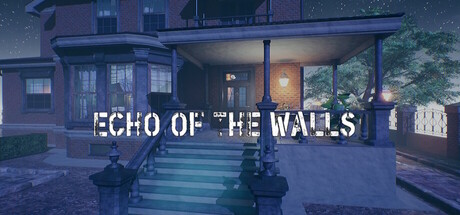
Echo of the Walls capsule

Echo of the Walls

Enter a world where the lines between reality are blurred. Like Daniel, you came here in search of the truth, but found yourself trapped in a terrifying mind game. Your only key to freedom and understanding is an ancient Polaroid camera, capable of capturing the invisible.

$0.99Mixed(19)
AdventureSimulationAction
STuNTNov 20, 2025

Echo of the Walls scores 72/100 — better than 48% of Adventure capsules (n=7,922).

Mixed (19 reviews) · $0.99 · Released Nov 20, 2025 · By STuNT

Quick text summary

Echo of the Walls scored 72/100 on Steam Analyzer — Good for a Adventure capsule. Top priority fix: [uniqueness_polish] Integrate the Polaroid camera into the composition—either held by the figure, prominent on the steps, or as a glowing key element—to visualize the core mechanic and increase distinctiveness.

Capsule scores by dimension

  • Genre Clarity: 7/10 — Psychological horror adventure clearly signaled. The eerie residential setting with warm interior lighting against cool twilight creates a classic horror atmosphere. The silhouette of a figure on the steps and the abandoned house aesthetic immediately communicate psychological thriller or supernatural horror. At tiny size, the architectural composition and ominous tone still read as dark adventure/horror, though specific mechanics like the Polaroid camera mechanic are not visually apparent.
  • Title Readability: 8/10 — Bold white text readable across sizes. "ECHO OF THE WALLS" uses a clean, thick white sans-serif font positioned horizontally across the center of the image with strong contrast against the darker upper and lower regions. The title maintains legibility at small size due to letter spacing and weight, and remains identifiable even at tiny thumbnail size. No decorative flourishes compromise clarity, though some letter forms compress slightly at the smallest viewing scale.
  • Contrast & Color: 8/10 — Strong value separation with warm-cool tension. The image uses excellent contrast between the cool blue-purple twilight sky and the warm golden interior lighting spilling from windows, creating visual depth and separation. The white title text pops distinctly against both the dark architecture and sky. At tiny size, the value separation between light and shadow zones remains clear, and the silhouette of the figure maintains definition even in grayscale.
  • Uniqueness & Polish: 7/10 — Atmospheric but somewhat familiar aesthetic. The photorealistic rendering and residential horror setting are competently executed with good lighting work and environmental storytelling, but the abandoned house with warm windows is a familiar trope in psychological horror media. The composition feels polished and intentional, though it lacks a distinctive visual hook or unique game-specific mechanic visualization that would elevate it to premium tier. The mysterious figure and Polaroid camera concept could be stronger focal points to differentiate it from generic horror aesthetics.
  • Brand Consistency: 6/10 — Coherent mood but no iconic identity marker. The visual direction is internally consistent—moody twilight atmosphere, architectural focus, mysterious human presence—and the color palette (cool blues, warm oranges, muted greens) holds together well. However, there are no distinctive brand signals like a recurring character, symbol, or signature visual motif that would make this capsule uniquely recognizable as Echo of the Walls specifically rather than a generic psychological horror title. The Polaroid camera concept mentioned in the description is absent from the visual.
  • Composition: 7/10 — Balanced focal point with clear depth layering. The house facade anchors the composition with the figure on the steps providing a secondary focal point, while the architectural leading lines (railings, window geometry) guide the eye naturally. The foreground figure, midground building, and background sky create clear depth separation that reads well at small size. The title placement is well-integrated without blocking critical visual elements, though at tiny size the figure becomes abstract and less commanding than intended.

What works

  • Excellent atmospheric lighting. The warm-cool color contrast between interior lights and twilight sky creates strong visual separation and conveys mystery and unease immediately.
  • Readable title implementation. Clean white sans-serif text with proper spacing maintains legibility from full size down to thumbnail without degradation.
  • Clear depth and layering. Foreground figure, midground building, and background sky create visual hierarchy that guides attention naturally and preserves readability at small sizes.

What hurts the capsule

  • Generic horror setting. The abandoned residential house with warm windows is a familiar visual shorthand that lacks distinctive identity compared to top-tier horror titles.
  • Missing core mechanic visualization. The Polaroid camera described as the key gameplay element is completely absent from the visual, losing an opportunity to communicate unique selling point.
  • Lack of iconic brand markers. No recognizable character, symbol, or signature visual motif that would make this capsule distinctly memorable as Echo of the Walls rather than a generic psychological horror.

Priority fixes

  1. [uniqueness_polish] Integrate the Polaroid camera into the composition—either held by the figure, prominent on the steps, or as a glowing key element—to visualize the core mechanic and increase distinctiveness.
  2. [brand_consistency] Introduce a subtle but memorable visual signature such as a recurring distortion effect, symbolic object, or distinctive figure design that reinforces brand identity across marketing materials.
  3. [composition] Consider emphasizing the mysterious figure more prominently at tiny size by adjusting scale or adding a subtle glow or unique silhouette shape to increase focal impact during quick scroll.

Store copy priority fixes

  1. [feature_communication] Expand the Polaroid mechanic with a concrete example: 'Photograph a painting of the manor's original owner, and the developed image reveals a hidden passage in the present-day wall' to show cause-and-effect gameplay rather than vague storytelling.
  2. [hook_strength] Delete the repeated opening paragraph from the detailed description and replace it with immediate gameplay context: 'Your Polaroid is your only defense. Each photograph pierces the veil between realities, exposing the invisible paths forward—and the horrors hunting you.' This maintains atmosphere while clarifying player agency.
  3. [audience_targeting] Add a sentence signaling tone and audience: 'Built for atmospheric puzzle-solvers who value exploration over combat—expect eerie ambiance, logic-based challenges, and tense cat-and-mouse evasion rather than action-heavy gameplay.' This helps players self-select.
  4. [genre_clarity] Move the 'first-person game with horror elements' sentence to the second paragraph and expand it: 'In this first-person exploration game blending mystery, puzzle-solving, and horror, you'll navigate Blackwood Manor's darkening corridors while an unseen presence grows more dangerous.' This earlier placement clarifies the core loop.

Related guides

Steam app ID: 4159670 · Tags: Adventure, Simulation, Action, Puzzle, Walking Simulator