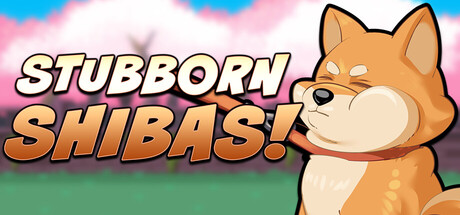
Stubborn Shibas scores 73/100 — better than 54% of Casual capsules (n=10,153).

Quick text summary

Stubborn Shibas scored 73/100 on Steam Analyzer — Good for a Casual capsule. Top priority fix: [genre_clarity] Add subtle puzzle elements to the composition—such as a small grid, blocked piece, or environmental clue—to signal the gameplay type without cluttering the design.

Capsule scores by dimension

  • Genre Clarity: 7/10 — Casual puzzle game intent clear. The cheerful Shiba character, soft art style, and pastel sky background clearly signal a lighthearted casual game rather than action or strategy. At tiny size, the character silhouette and warm color palette remain recognizable as cute indie fare, though 'puzzle' specifically is not visually implied by gameplay iconography. The stubborn expression hints at challenge but could apply to multiple casual genres.
  • Title Readability: 8/10 — Bold title readable at all sizes. The title 'STUBBORN SHIBAS!' uses a strong orange-yellow gradient with clean black outline, positioned clearly in the upper left. It remains legible at small and tiny sizes due to thick letterforms and high contrast against the sky background. The tagline placement does not interfere with title clarity at any viewing size.
  • Contrast & Color: 8/10 — Warm palette pops on dark Steam background. The orange Shiba, warm peachy tones, and vibrant sky gradient create strong value separation against the dark Steam background #1b2838. In grayscale, the character and title maintain clear silhouettes with good midtone-to-highlight separation. The green grass layer adds depth without muddying the overall contrast hierarchy.
  • Uniqueness & Polish: 7/10 — Charming character art, competent craft. The Shiba illustration has a consistent, appealing hand-drawn style with clean line work and expressive facial features that convey personality. The design feels intentional and polished rather than asset-flipped, with a cohesive anime-influenced aesthetic. However, the composition remains somewhat standard for casual indie titles—a centered mascot character with sky background is a familiar template not pushing visual boundaries.
  • Brand Consistency: 7/10 — Consistent character-driven visual identity. The Shiba character serves as a strong recurring brand anchor with a distinct personality and expression. The warm color palette, soft art style, and anime-influenced rendering appear internally consistent. Without reviewing all five store screenshots, the Shiba's recognizable design and stubborn expression suggest strong identity potential across marketing materials.
  • Composition: 7/10 — Clear focal point, balanced layout. The Shiba character anchors the right-center composition while the title sits safely in the upper left, creating good hierarchy and visual balance. The three-layer background (sky, midground, grass) provides depth without clutter. At tiny size, the character remains the clear focal point; however, the centered character placement is conventional, and the lower grass area represents slightly underutilized negative space that could reinforce the stubborn expression through stronger compositional tension.

What works

  • Readable title with strong outline. The black-outlined orange-yellow gradient title remains legible at tiny size and stands out against all background regions.
  • Appealing character personality. The Shiba's expressive face and stubborn posture communicate charm and attitude, reinforcing the game's core concept immediately.
  • Effective color contrast on Steam background. The warm palette creates excellent separation from the dark Steam UI, ensuring high discoverability in scrolling.

What hurts the capsule

  • Generic casual game template. The centered mascot character with sky background is a heavily used format in indie gaming, limiting visual distinctiveness at glance.
  • Puzzle mechanic not visually implied. While 'stubborn' is communicated through expression, there are no UI hints, props, or visual cues that suggest the puzzle gameplay loop.
  • Compositional space imbalance. The lower third features a large green grass field with minimal detail, creating dead space that doesn't reinforce the game's appeal or mechanic.

Priority fixes

  1. [genre_clarity] Add subtle puzzle elements to the composition—such as a small grid, blocked piece, or environmental clue—to signal the gameplay type without cluttering the design.
  2. [composition] Reduce or repurpose the lower grass area by introducing a secondary character, environmental detail, or visual element that strengthens the stubborn/challenge theme.
  3. [uniqueness_polish] Introduce a signature visual motif or icon (e.g., a small symbol in the corner, unique UI element, or repeated pattern) that could serve as a recognizable brand identity beyond the character alone.

Store copy priority fixes

  1. [feature_communication] Add 1-2 sentences explaining the core match-3 mechanic: how players make matches, whether there are special tiles or power-ups, and how enemy patterns mechanically disrupt gameplay. Example: 'Swap adjacent tiles to match three or more and deal damage. Each Shiba opponent uses unique board disruptions and status effects to slow your progress.'
  2. [uniqueness] Articulate one concrete design differentiator in the detailed description. Example: 'Unlike typical match-3 games, each Shiba's stubborn personality directly changes the rules—some add immovable blocks, others corrupt your tiles mid-turn.'
  3. [audience_targeting] Explicitly mention difficulty progression or suggest the target player profile. Example: 'Perfect for puzzle lovers seeking a relaxed, dog-themed challenge, or families playing together' to help the right players self-identify.

Related guides

Steam app ID: 4217180 · Tags: Casual, Match 3, Puzzle, 2D, Cute