Scoring genre clarity...
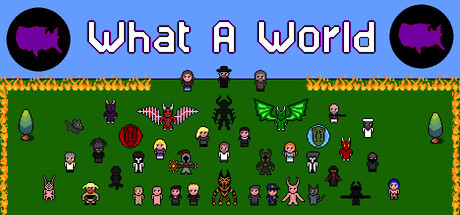
What A World capsule

What A World

A top-down pixel-art boss-fighter with skill-based combat, I-frame dodging, instant retries, and weird characters. Explore a compact world mocking modern society with puzzles, vehicles, and secrets lurking between absurd battles.

$4.99
ActionAdventureAction-Adventure
Jesse BensenJan 12, 2026

What A World scores 63/100 — better than 5% of Action capsules (n=8,535).

$4.99 · Released Jan 12, 2026 · By Jesse Bensen

Quick text summary

What A World scored 63/100 on Steam Analyzer — Solid for a Action capsule. Top priority fix: [composition] Add a prominent hero character or focal point in the foreground center—scale one charismatic NPC larger and position it with depth separation from the background crowd to create clear hierarchy and stop the eye at tiny size.

Capsule scores by dimension

  • Genre Clarity: 7/10 — Pixel art action game clear. The retro pixel-art style, top-down perspective, and diverse character lineup immediately signal a classic action-adventure game with comedic or irreverent tone. At tiny size, the colorful sprite arrangement reads as a quirky cast of characters, establishing adventure/action intent, though the exact boss-fighter subgenre specificity is less obvious without context. The bright green field and scattered NPCs suggest exploration and interaction rather than pure combat focus.
  • Title Readability: 6/10 — Title legible but not prominent. The title 'What A World' uses a clean, blocky pixel font in black text centered against the light blue background, maintaining reasonable legibility at full and small sizes. However, at tiny size the text begins to blur and loses crispness; the font lacks sufficient outline thickness or shadow to maintain edge clarity at extreme reduction. The title placement is safe and readable but does not command visual hierarchy or feel distinctive for a memorable capsule.
  • Contrast & Color: 7/10 — Good value separation overall. The bright blue sky, vibrant green field, and dark sprite silhouettes create strong value contrast against the Steam dark background. The purple fish icons in the top corners pop well and guide attention, while the varied character colors (reds, whites, blacks, pinks) maintain visual separation across the composition. At tiny size, the overall contrast holds reasonably well, though fine color details in the sprite crowd begin to merge into a busy mid-tone field.
  • Uniqueness & Polish: 6/10 — Competent retro style, generic execution. The pixel-art aesthetic is clean and functional, with consistent sprite quality and a cohesive color palette suggesting intentional craft. However, the capsule reads as a straightforward sprite showcase rather than communicating a unique selling point, core mechanic, or distinctive visual hook—it is essentially a character lineup on a green field without narrative framing, environmental storytelling, or a standout composition idea. Compared to top-performing indie capsules like DREDGE, Slay the Princess, or COCOON, this feels more like a competent gallery than a premium, purposeful design.
  • Brand Consistency: 6/10 — Consistent style, limited identity. The retro pixel-art rendering, color grading, and sprite proportions are internally cohesive and match the game's visual identity seen in store screenshots. However, there are no distinctive icons, symbolic motifs, or signature character silhouettes that would make this capsule immediately recognizable as 'What A World' versus any other quirky pixel game. The purple fish icons in the corners appear unique but are not prominent or iconic enough to anchor brand recall at tiny size.
  • Composition: 6/10 — Scattered subjects, safe but flat. The layout distributes characters evenly across the green field with title anchored at top center, creating a balanced but undifferentiated focal point—the eye has no clear primary subject to land on at tiny size due to equal visual weight across the sprite crowd. The composition uses safe margins and avoids edge-cutting hazards, but the flat arrangement of scattered small figures against a uniform green background lacks depth layering, silhouette hierarchy, and the kind of visual storytelling that would elevate engagement at small thumbnail sizes. At tiny size, the design collapses into a busy textured field with the title as the only clear readable element.

What works

  • Strong color contrast against dark background. Bright blues, greens, and varied sprite colors maintain clear value separation that reads at all sizes including tiny thumbnails.
  • Consistent pixel-art craftsmanship. Sprites are uniform in quality and style, rendering the retro aesthetic professionally without cheap asset feel.
  • Safe title placement and margins. Centered title avoids cropping hazards and remains legible at small sizes without edge risk or uncomfortable positioning.

What hurts the capsule

  • No clear focal point or hierarchy. Equal visual weight distributed across sprite crowd creates a busy, undifferentiated composition that fails to guide attention at small or tiny size.
  • Generic gallery layout lacking narrative. Character lineup on a flat field communicates 'quirky game with many NPCs' but does not showcase a unique mechanic, tone, or selling point that differentiates from competitors.
  • Title lacks visual weight and distinctiveness. Pixel font is legible but thin and generic, with no outline, shadow, or stylistic signature that makes it memorable or premium-feeling.
  • Busy mid-tone sprite field at tiny size. The dense cluster of small figures blurs into a textured mass at extreme reduction, reducing readability and visual appeal in thumbnail view.

Priority fixes

  1. [composition] Add a prominent hero character or focal point in the foreground center—scale one charismatic NPC larger and position it with depth separation from the background crowd to create clear hierarchy and stop the eye at tiny size.
  2. [title_readability] Thicken the title letterforms with a dark outline or shadow and consider adding a contrasting banner or background shape behind the text to increase visual weight and memorability at small sizes.
  3. [genre_clarity] Include one or two signature environmental or mechanical visual cues (e.g., a dynamic action pose, weapon silhouette, or UI element) that hint at boss-fighting or combat rather than relying solely on character variety.
  4. [uniqueness_polish] Introduce depth layering—elevate the hero character or add a mid-ground scene element that frames the composition with foreground-midground-background structure, transforming the flat gallery into a purposeful scene.

Store copy priority fixes

  1. [hook_strength] Replace 'mocking modern society' with a specific, concrete example of the absurdist humor—e.g., 'face off against tax-collector demons and self-help influencers' or similar—to make the dark comedy premise immediately vivid.
  2. [tone_match] Rewrite the 'custom action combat system' sentence to match the irreverent voice of the rest of the copy—e.g., 'Master frame-perfect dodges, instant weapon swaps, and wild abilities as you adapt on the fly' instead of clinical phrasing.
  3. [audience_targeting] Add a direct sentence like 'Perfect for solo players seeking skill-based challenge wrapped in absurdist humor' or similar to clarify the intended player type and difficulty expectation.
  4. [uniqueness] Emphasize what makes the boss-fight + exploration loop distinct—e.g., 'Every boss defeat sends you straight back to the action, no downtime; between fights, a compact world rewards exploration with secrets and vehicle rides' to differentiate from pure boss-rushers.

Related guides

Steam app ID: 4243600 · Tags: Action, Adventure, Action-Adventure, Combat, Souls-like