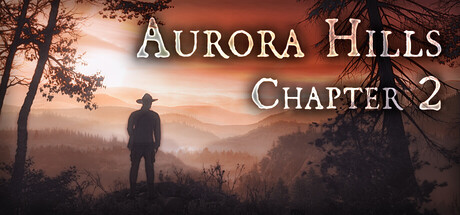
Aurora Hills: Chapter 2 scores 70/100 — better than 33% of Adventure capsules (n=7,922).

Quick text summary

Aurora Hills: Chapter 2 scored 70/100 on Steam Analyzer — Good for a Adventure capsule. Top priority fix: [uniqueness_polish] Add a subtle visual element that hints at the puzzle-solving mechanic—such as glowing clues, UI-inspired accents, or a distinctive environmental artifact that signals 'mystery to solve' rather than generic exploration.

Capsule scores by dimension

  • Genre Clarity: 7/10 — Western adventure mystery clear. The solitary ranger figure against a misty landscape with warm golden lighting clearly communicates an outdoor adventure narrative. At tiny size, the silhouette of the standing figure and the atmospheric landscape still read as exploration-focused adventure, though the puzzle mechanic is not visually implied. The 'Chapter 2' subtitle reinforces story-driven adventure positioning.
  • Title Readability: 8/10 — Strong serif typography, good contrast. The title 'AURORA HILLS' uses a clean serif font with solid white letterforms and strategic placement in the upper third against the darker sky, maintaining legibility at all sizes including tiny. The subtitle 'CHAPTER 2' is appropriately scaled and does not compete for attention. At tiny size, both lines remain readable due to high contrast and generous spacing, though fine serifs begin to soften slightly.
  • Contrast & Color: 8/10 — Warm gradient with strong value separation. The white title text pops cleanly against the warm orange-brown sky gradient, creating excellent value contrast that persists at small and tiny sizes. The silhouetted ranger figure maintains strong separation from the misty background through dark foreground framing. In grayscale, the composition still reads clearly with distinct light and dark zones, though the mid-tone foliage complexity slightly reduces overall punch.
  • Uniqueness & Polish: 6/10 — Competent but familiar western aesthetic. The capsule presents a polished, cinematic western adventure scene with professional atmospheric rendering and golden-hour lighting that feels premium. However, the solitary ranger in misty landscape is a fairly common indie adventure game visual trope seen in multiple genre entries. The execution is clean but lacks a distinctive mechanical hook or unique visual storytelling element that sets Aurora Hills apart from comparable titles like DREDGE or Jusant.
  • Brand Consistency: 6/10 — Consistent tone, limited iconic identity. The warm, moody atmospheric palette and western ranger protagonist align with adventure game conventions and likely match the in-game aesthetic based on a point-and-click puzzle adventure context. The serif typography choice and golden-hour color grading create internal cohesion across the composition. However, without visible distinctive character design elements, UI motifs, or signature visual symbols, the capsule lacks strong brand recognition markers that would make Aurora Hills immediately identifiable among similar mystery adventure titles.
  • Composition: 7/10 — Clear focal point with good layering. The ranger figure anchors the center-lower third as the primary subject, with atmospheric layering (silhouetted trees, misty middle ground, bright sky) creating clear depth and drawing the eye naturally through the scene. Title placement in the upper region respects the compositional hierarchy and safe margins. At tiny size, the three-tier depth structure (foreground silhouettes, subject figure, luminous background) remains distinct, though some fine detail in vegetation becomes abstract.

What works

  • Title contrast and placement. White serif text positioned against darker sky with sufficient spacing maintains excellent readability from full header down to tiny thumbnail sizes.
  • Atmospheric depth layering. Foreground, midground, and background create a three-dimensional visual hierarchy that guides the eye and remains effective even at small scales.
  • Cohesive warm color palette. The golden-hour orange and brown tones create a unified, premium mood that reinforces the contemplative adventure tone.

What hurts the capsule

  • Generic western adventure trope. The solitary ranger in misty landscape is a familiar visual formula shared by many indie adventure games, reducing distinctive brand identity.
  • No mechanical or gameplay hint. The capsule communicates narrative mystery and atmosphere but does not visually suggest the point-and-click puzzle mechanics that define the game.
  • Limited iconic character presence. The ranger is a silhouette without distinctive costume detail or personality visual that could anchor brand recall.

Priority fixes

  1. [uniqueness_polish] Add a subtle visual element that hints at the puzzle-solving mechanic—such as glowing clues, UI-inspired accents, or a distinctive environmental artifact that signals 'mystery to solve' rather than generic exploration.
  2. [genre_clarity] Consider foregrounding or highlighting a unique aspect of Ethan Hill's character (distinctive gear, pose, or item) that differentiates this protagonist from other western adventure heroes.
  3. [brand_consistency] Develop a signature visual motif or color accent that can serve as a recognizable Aurora Hills identity marker across future promotional materials.

Store copy priority fixes

  1. [hook_strength] Rewrite the short description to lead with a specific, unexpected danger or mystery element—e.g., 'Your fellow ranger vanishes without a trace. Now you're alone in the forest at dusk with only her cryptic notes and a feeling that something isn't human.'
  2. [uniqueness] Add a sentence clarifying what makes Aurora Hills' mysteries distinct—e.g., whether the puzzles involve supernatural elements, local folklore integration, or an innovative puzzle mechanic not common in the genre.
  3. [audience_targeting] Specify the expected experience level and playtime bracket—e.g., 'Perfect for puzzle enthusiasts who enjoy 4-6 hour narrative adventures' or 'Ideal for players seeking medium-difficulty, logic-based challenges.'
  4. [feature_communication] Integrate one feature example into the narrative copy—e.g., after describing the ransacked camp, add 'You'll need to piece together evidence and solve environmental puzzles to uncover what happened to her' to demonstrate puzzle-exploration synergy.

Related guides

Steam app ID: 4285320 · Tags: Adventure, Puzzle, Point & Click, Mystery, Hidden Object