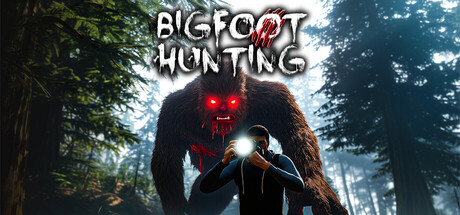
Bigfoot Hunting scores 68/100 — better than 15% of Early Access capsules (n=3,067).

Quick text summary

Bigfoot Hunting scored 68/100 on Steam Analyzer — Solid for a Early Access capsule. Top priority fix: [uniqueness_polish] Integrate a distinctive visual signature—consider a unique creature design element, environmental lighting style, or color accent (e.g., distinctive weapon light color, specific tactical gear silhouette) that differentiates Bigfoot Hunting from generic creature-hunt games

Capsule scores by dimension

  • Genre Clarity: 8/10 — Action horror hunting clearly communicated. The glowing red eyes and aggressive creature posture immediately signal supernatural horror-action. The player character with firearms and tactical stance confirms a hunting/survival gameplay focus. At tiny size, the bright red eyes and dark forest silhouette remain the dominant read, successfully conveying 'hunt dangerous creature' genre without ambiguity.
  • Title Readability: 7/10 — Title readable but font lacks polish. BIGFOOT HUNTING text is white and positioned top-center with clear separation from the background elements. The font is basic and somewhat blocky; at tiny size it remains legible but loses distinctive character. The all-caps layout and center placement help readability, though the letterforms feel utilitarian rather than premium.
  • Contrast & Color: 8/10 — Strong contrast with glowing red focal point. The creature's glowing red eyes create excellent value separation against the dark forest and night sky backdrop, making it pop against Steam's dark UI. The bright sky in the upper right and golden-orange muzzle flash add warm accent contrast. The composition maintains clear silhouette definition even when squinting, though the mid-tone greens of the foliage could be slightly darker to strengthen overall separation.
  • Uniqueness & Polish: 6/10 — Competent but visually generic creature hunt. The image presents a competent execution of 'angry creature in forest' without a distinctive hook or memorable visual identity. The glowing red eyes feel familiar from horror game tropes, and the lighting/rendering is solid but matches expectations rather than exceeding them. While technically sound, it lacks the art direction or unique premise communication that would elevate it above mid-tier indie presentation.
  • Brand Consistency: 5/10 — No memorable identity or recurring motif. The image shows a generic dark forest with an aggressive creature; there are no visible recurring design motifs, color palettes, or iconic elements that would signal Bigfoot Hunting specifically over other creature-hunting games. Without access to the 10 store screenshots as a visual library, internal cohesion appears consistent but lacks distinctive brand markers that would aid recognition or recall.
  • Composition: 7/10 — Clear focal hierarchy with minor balance issues. The creature's red eyes and upper torso form a strong primary focal point at center, with the player character providing secondary interest at lower center. Forest framing and sky create natural depth layers. The title placement at top doesn't interfere with the creature's dominance. At tiny size, the composition reads clearly, though the player character detail becomes slightly lost and the composition could benefit from tighter cropping to emphasize the threat more dramatically.

What works

  • Glowing red eyes create immediate visual hook. The bright red-glowing eyes instantly catch attention and communicate danger, maintaining visibility and impact even at tiny thumbnail size.
  • Clear depth layering through foreground-midground-background. Forest elements, creature, player, and sky create natural spatial separation that prevents visual flatness and maintains visual interest across all viewing sizes.
  • White title text maintains legibility. The centered, all-caps white text has sufficient contrast and sizing to remain readable at small sizes without competing with the creature focal point.

What hurts the capsule

  • Generic dark-forest-creature composition lacks distinction. The image reads as a familiar creature-in-woods scenario that could apply to many horror-hunting games, offering no unique visual identity or memorable brand marker.
  • Player character detail diminishes at small sizes. The lower-center player character and weapon details become muddy and indistinct at tiny thumbnail size, weakening the survival/hunting gameplay communication.
  • Font lacks premium polish and personality. The simple blocky title font feels utilitarian rather than deliberately branded, missing an opportunity to signal indie craft or distinctive tone.

Priority fixes

  1. [uniqueness_polish] Integrate a distinctive visual signature—consider a unique creature design element, environmental lighting style, or color accent (e.g., distinctive weapon light color, specific tactical gear silhouette) that differentiates Bigfoot Hunting from generic creature-hunt games
  2. [title_readability] Upgrade the title font to a bolder, more distinctive typeface with subtle outline or shadow that maintains character at tiny size while signaling premium indie production
  3. [composition] Increase visual emphasis on the player character by positioning it more prominently or adding stronger lighting/muzzle-flash effects, ensuring the gameplay premise (you are hunting) reads clearly at all sizes
  4. [brand_consistency] Develop a consistent signature color or lighting motif (beyond generic red eyes) that can carry across other marketing materials and create visual recognition

Store copy priority fixes

  1. [uniqueness] Add a sentence explaining what is unique about Bigfoot Hunting compared to other survival or hunting games—e.g., a specific mechanic (AI behavior, environment system), narrative hook, or interpretation of the Bigfoot legend that sets it apart.
  2. [genre_clarity] Explicitly state the primary gameplay loop in the short description or opening of the detailed description—clarify whether this is a first-person shooter, tactical planner, or survival sim, and how combat, exploration, and resource management fit together.
  3. [feature_communication] Expand 1–2 key features with player-focused explanations (e.g., 'Set traps to lure Bigfoot into ambushes' instead of just 'set traps') so players understand the gameplay impact and moment-to-moment decisions.
  4. [tone_match] Reduce emoji usage and marketing language in the feature sections to maintain the darker, more immersive tone established in the opening and closing narrative prose.

Related guides

Steam app ID: 4413360 · Tags: Early Access, Adventure, Simulation, Action, Exploration