Scoring genre clarity...
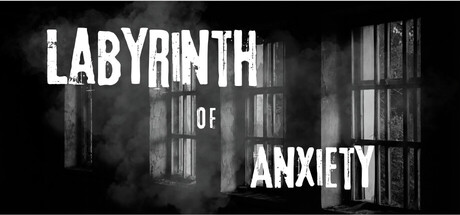
Labyrinth of anxiety capsule

Labyrinth of anxiety

You are trapped in a labyrinth of identical rooms that repeat endlessly. The goal is to find the right door and move forward before anxiety consumes you. Every decision matters... the labyrinth doesn't forgive mistakes.

$1.992 user reviews
SimulationLife Sim3D
JordiAStudiosMar 13, 2026

Labyrinth of anxiety scores 68/100 — better than 17% of Simulation capsules (n=5,188).

2 user reviews · $1.99 · Released Mar 13, 2026 · By JordiAStudios

Quick text summary

Labyrinth of anxiety scored 68/100 on Steam Analyzer — Solid for a Simulation capsule. Top priority fix: [uniqueness_polish] Add a distinctive visual element—such as a distorted figure, clock, or recurring symbolic object—that hints at the anxiety mechanic and differentiates from generic institutional horror.

Capsule scores by dimension

  • Genre Clarity: 7/10 — Psychological thriller with puzzle hints. The monochromatic institutional interior with repeating windows and doorways strongly signals a maze or confinement theme, supporting the labyrinth concept. At TINY size the austere architecture and trapped-room aesthetic remain readable, though the psychological/anxiety angle is implicit rather than explicitly visual—a player unfamiliar with the title might guess horror or adventure before simulation.
  • Title Readability: 8/10 — Clear hierarchy, strong contrast. LABYRINTH sits prominently in the upper left in large, bold serif capitals with clean white fill; OF ANXIETY stacks below with equal clarity. At SMALL and TINY sizes both lines remain legible due to high contrast against the dark architectural background and intentional spacing that avoids overlap with the window geometry.
  • Contrast & Color: 8/10 — High value separation, silhouette strong. Crisp white typography and bright window frame lines cut sharply against deep blacks and dark grays of the interior, creating excellent value contrast that passes grayscale squint test. The monochromatic palette reinforces mood while maintaining clear visual hierarchy; subject and text remain distinct at all sizes.
  • Uniqueness & Polish: 6/10 — Atmospheric but visually familiar. The black-and-white institutional interior evokes classic psychological horror cinema and feels intentional and cohesive, but the repeating-rooms concept is a well-worn indie game trope (see DREDGE, The Backrooms, etc.). The execution is clean and craft-focused, yet the visual approach lacks a distinctive hook or memorable art signature that sets it apart from peers in the psychological-simulation space.
  • Brand Consistency: 5/10 — Thematic but no iconic anchor. The monochromatic architectural style and anxious confinement theme align with the game's premise and would likely carry through the 5 available screenshots for internal cohesion. However, there is no memorable character, symbol, palette break, or visual motif that creates a recognizable brand identity—it reads as mood and setting rather than a distinct brand signature.
  • Composition: 7/10 — Balanced focal point, safe margins. Title is anchored in upper left/center with strong hierarchy; the window geometry creates depth and directs eye inward, avoiding clutter and dead space. At SMALL size the composition holds well, though the window lines could be read as competing with text at TINY size; overall the layout is intentional and respects safe margins.

What works

  • Legible title with strong contrast. White text on dark background with clean serif letterforms reads clearly at all sizes, including TINY.
  • Mood and theme alignment. Monochromatic institutional setting immediately communicates confinement and unease, supporting the anxiety-labyrinth premise.
  • Clean craft and composition. No clutter, intentional layering of windows and architecture, and respect for text placement show professional design discipline.

What hurts the capsule

  • Generic visual concept. Repeating-room institutional interior is a familiar trope in indie psychological games with no distinctive visual hook or character anchor.
  • Limited brand identity signals. No iconic motif, character, or signature palette break to make the capsule instantly recognizable or memorable in isolation.
  • Psychological theme not fully visual. Anxiety as a mechanic is not explicitly communicated through visual stress cues, particle effects, or distortion—relying entirely on title and setting.

Priority fixes

  1. [uniqueness_polish] Add a distinctive visual element—such as a distorted figure, clock, or recurring symbolic object—that hints at the anxiety mechanic and differentiates from generic institutional horror.
  2. [brand_consistency] Introduce a subtle but recognizable palette accent or visual motif (e.g., a red door, fractured mirror detail, or motion blur) that signals anxiety and can anchor brand identity across store assets.
  3. [genre_clarity] Consider a subtle visual cue (stress lines, depth-of-field blur, or subtle color shift) that more explicitly telegraphs psychological simulation/anxiety themes to players unfamiliar with the title.

Store copy priority fixes

  1. [hook_strength] Rewrite the short description to open with a sensory or emotional verb: 'Navigate an endless maze of identical rooms while your anxiety tightens around you' or similar, replacing the passive 'trapped' with active dread.
  2. [uniqueness] Add 1-2 sentences to the detailed description explaining what makes this game's anxiety mechanic distinct—e.g., 'Unlike traditional roguelikes, anxiety is not just a timer; it responds dynamically to your choices, rewarding bold decisions and punishing hesitation' or similar.
  3. [feature_communication] Add a bullet or sentence under 'Key Features' addressing replay value or variation across runs, such as 'Procedural room layouts and dynamic key placement ensure no two runs feel identical' to justify the 'no save' design choice.
  4. [tone_match] Inject one brief moment of dark humor or existential voice in the detailed description (e.g., 'The rooms blur together. You begin to wonder: did you choose wrong, or are you already lost?') to intensify the psychological tone without breaking structure.

Related guides

Steam app ID: 4449050 · Tags: Simulation, Life Sim, 3D, Emotional, Singleplayer