Scoring genre clarity...

Missing Texture capsule

Missing Texture

Missing Texture is a psychological horror experience told in chapters. Download the free Launcher and access all main chapters. The full story expands through additional games.

Free to PlayMixed(15)
ActionAdventureStrategy
GaspachoWorkMar 27, 2026

Missing Texture scores 72/100 — better than 46% of Action capsules (n=8,535).

Mixed (15 reviews) · Free to Play · Released Mar 27, 2026 · By GaspachoWork

Quick text summary

Missing Texture scored 72/100 on Steam Analyzer — Good for a Action capsule. Top priority fix: [uniqueness_polish] Introduce a recognizable character silhouette or iconic symbol specific to Missing Texture's story or core mechanic to differentiate from generic neon-horror aesthetic.

Capsule scores by dimension

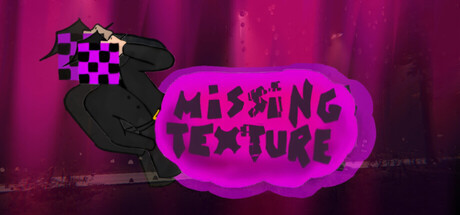
  • Genre Clarity: 7/10 — Horror vibes clear, action less so. The neon magenta glow, silhouetted figure, and glitch aesthetic immediately signal psychological horror or unsettling indie game. At tiny size, the dark silhouette and pink neon read as creepy/supernatural, aligning with the horror description. However, the action-adventure genre is not visually reinforced; the static pose and abstract design don't hint at combat or traversal mechanics.
  • Title Readability: 8/10 — Bold neon title holds at small. The title 'MISSING TEXTURE' in thick, bright magenta sans-serif lettering sits centered in a rounded bubble shape with strong contrast against the dark background. At full size it is crisp and legible; at small (231×87) it remains readable due to the bold weight and neon saturation. At tiny (120×45) the letters compress but the magenta glow keeps the shape recognizable, though individual letterforms blur slightly.
  • Contrast & Color: 8/10 — Neon magenta pops on dark purple. The bright magenta title bubble and glitch effect create strong value separation against the dark purplish background (#1b2838 equivalent). In grayscale, the light magenta would read as mid-to-bright gray, clearly separated from the dark silhouette and background. The saturated neon aesthetic maintains edge clarity and silhouette definition across all sizes, with no muddy mid-tones obscuring the focal point.
  • Uniqueness & Polish: 7/10 — Striking neon aesthetic, limited depth. The magenta neon glow, glitch cube effect, and silhouetted figure create a cohesive, intentional look that feels deliberately crafted rather than generic. This neon-horror visual language is distinctive and thematic. However, the composition is relatively simple—a single silhouette and text—lacking the visual storytelling or unique mechanical hook that would elevate it to premium tier; it reads more as a thematic style exercise than a unique selling point.
  • Brand Consistency: 6/10 — Consistent neon style, limited signature. The magenta neon palette, glitch cube, and silhouette figure form a coherent internal style that would likely be recognized across store materials if repeated. The aesthetic is consistent but not yet iconic; there are no memorable character, symbol, or motif cues that immediately brand this as 'Missing Texture' versus other indie horror games using similar neon effects. The design signals the genre but not a distinctive identity.
  • Composition: 7/10 — Centered, balanced, handles scale well. The silhouette occupies the left-center area, the title bubble dominates center-right, creating natural visual balance without clutter. The focal point hierarchy is clear: title first, then figure. At small and tiny sizes the composition remains readable with no critical elements cut by Steam's cropping, and the dark background provides safe margins around key assets. The spacing is intentional and the layout adapts well to reduced sizes, though the lack of foreground/midground/background layering keeps depth shallow.

What works

  • High-contrast neon title. Magenta text in rounded bubble reads crisp and clear even at tiny size, with no letterform collapse or ambiguity.
  • Thematic visual cohesion. The neon glow, glitch cube, and dark silhouette form a consistent, intentional aesthetic that clearly signals psychological horror indie game.
  • Clean composition and balance. Left-right arrangement of figure and title avoids clutter and maintains clear focal hierarchy across all sizes without unsafe cropping.

What hurts the capsule

  • Limited visual storytelling. The silhouette and neon effect are thematic but do not hint at core mechanics, gameplay type, or unique selling point beyond aesthetic.
  • Shallow depth and layering. The composition lacks distinct foreground/midground/background separation, feeling flat and relying solely on color contrast rather than spatial dimension.
  • No iconic brand signal. While visually consistent, the neon-silhouette approach lacks a memorable character, motif, or distinctive symbol that would make this instantly recognizable as Missing Texture specifically.

Priority fixes

  1. [uniqueness_polish] Introduce a recognizable character silhouette or iconic symbol specific to Missing Texture's story or core mechanic to differentiate from generic neon-horror aesthetic.
  2. [composition] Add subtle foreground or midground depth element (e.g., glitched terrain, fragmented environment detail) to create spatial layering and visual interest without sacrificing legibility at small sizes.
  3. [genre_clarity] Incorporate a subtle action or adventure visual cue (e.g., a tool, pose suggesting movement, environmental hint of traversal) to reinforce the action-adventure genre alongside the horror tone.

Store copy priority fixes

  1. [hook_strength] Rewrite the short description opening to lead with the immediate threat and emotional core—e.g., 'Trapped in a house that defies reality, pursued by its inhabitant, you must escape using only your wits and what you can find' before mentioning the Launcher structure.
  2. [uniqueness] Add one sentence after the Setting section that explicitly differentiates Missing Texture—e.g., 'Unlike traditional horror games, the house itself is a character: its layout shifts mid-playthrough, forcing you to rely on memory and perception rather than map knowledge.'
  3. [audience_targeting] Clarify story completeness by adding: 'Main chapters deliver a complete psychological horror story; side games expand the universe with new perspectives and reinterpret key events—play them for depth, not to understand the central mystery.'
  4. [feature_communication] Insert a brief 'Moment-to-Moment Loop' paragraph explaining the cycle: explore the house, interact with objects and doors, evade or hide from the kidnapper when encountered, solve puzzles to progress, and uncover fragmented truth through environmental storytelling.

Related guides

Steam app ID: 4486360 · Tags: Action, Adventure, Strategy, Puzzle, Exploration