Scoring genre clarity...
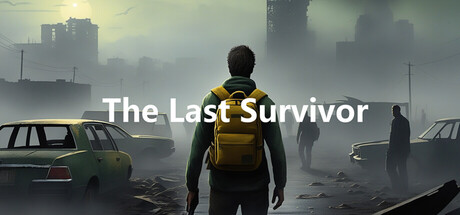
The Last Survivor capsule

The Last Survivor

The Last Survivor is a serious, narrative-driven visual novel set in a sudden zombie apocalypse. You play as an ordinary high school student forced to make difficult decisions as the world collapses. Every choice matters, and mistakes carry irreversible consequences.

$1.99No user reviews
GoreViolentRPG
HeFei PotatoMar 31, 2026

The Last Survivor scores 68/100 — better than 21% of Gore capsules (n=827).

No user reviews · $1.99 · Released Mar 31, 2026 · By HeFei Potato

Quick text summary

The Last Survivor scored 68/100 on Steam Analyzer — Solid for a Gore capsule. Top priority fix: [uniqueness_polish] Introduce a distinctive character design element, signature color accent, or iconic visual motif that is unique to The Last Survivor and recognizable across marketing materials.

Capsule scores by dimension

  • Genre Clarity: 7/10 — Post-apocalyptic survival, narrative focus clear. The abandoned cityscape, derelict vehicles, and lone figure in tactical gear with backpack clearly signal survival game/apocalypse theme. However, at TINY size the zombie/horror element is not visually explicit—it reads more as general post-apocalyptic than specifically undead survival. The narrative visual novel aspect is not communicated through genre iconography alone.
  • Title Readability: 8/10 — Strong white text, excellent contrast. The title 'The Last Survivor' uses bold white sans-serif text positioned in the center-left area against the misty gray cityscape, providing excellent contrast against the dark Steam background. The letterforms remain clearly legible at SMALL size and maintain excellent readability at TINY size due to the high value separation and clean outline.
  • Contrast & Color: 8/10 — Excellent silhouette and value separation. The centered protagonist in yellow-and-dark tactical gear stands out distinctly against the cool gray-blue foggy cityscape, creating strong value contrast. The silhouette reads clearly at TINY size, and the warm yellow accent on the backpack provides pop against the desaturated background. Grayscale test confirms the figure has clear edge definition and does not blend into the environment.
  • Uniqueness & Polish: 6/10 — Competent but familiar apocalypse aesthetic. The foggy abandoned city with lone survivor is a well-executed but conventional post-apocalyptic visual trope seen in many survival games. The image quality and lighting are clean and professional, but the composition and art direction lack a distinctive hook or unique visual identity that would distinguish it from similar genre titles. The yellow backpack provides a small identifying mark but does not elevate the overall originality.
  • Brand Consistency: 5/10 — Minimal identity cues, generic apocalypse. The capsule presents a standard post-apocalyptic survivor archetype with no memorable character traits, signature motifs, or cohesive identity system that could be recognized as unique to 'The Last Survivor' brand. Without reference to the five store screenshots, there are no iconic elements—logo, color palette, or visual shorthand—that would anchor brand recall or differentiate it from competing apocalypse narratives.
  • Composition: 7/10 — Clear focal point, good depth layering. The lone figure is the dominant focal point positioned in the center-right, with the misty cityscape providing atmospheric background depth and abandoned vehicles anchoring the midground. The composition creates a clear visual hierarchy that reads well at SMALL and TINY sizes, though the title placement slightly competes for attention with the figure. Safe margins are respected and the crop is resilient across sizes.

What works

  • Strong title contrast and legibility. White sans-serif text maintains excellent readability at all sizes including TINY due to high value separation from the gray-blue background.
  • Clear protagonist silhouette. The yellow-accented backpack and dark tactical gear create a distinct focal point that pops against the desaturated foggy environment even at thumbnail size.
  • Atmospheric depth and composition. Layered backgrounds with distant buildings, mid-distance fog, and foreground figure create visual depth that guides the eye and establishes context at a glance.

What hurts the capsule

  • Generic post-apocalyptic aesthetic. The foggy abandoned city with lone survivor is a heavily repeated visual trope that does not differentiate this title from many competing survival games in crowded storefronts.
  • Unclear narrative-driven visual novel identity. The apocalypse survival aesthetic dominates, but there are no visual cues that communicate this is a narrative-heavy choice-driven game as opposed to action survival.
  • No memorable brand icon or motif. The figure lacks distinctive character traits, signature colors, or iconographic elements that would create lasting brand recognition or visual recall.

Priority fixes

  1. [uniqueness_polish] Introduce a distinctive character design element, signature color accent, or iconic visual motif that is unique to The Last Survivor and recognizable across marketing materials.
  2. [genre_clarity] Add subtle narrative/choice-driven visual cues such as UI elements, dialogue indicators, or character emotion that communicate this is a story-heavy visual novel.
  3. [brand_consistency] Establish and consistently apply a cohesive color palette or signature visual style across the capsule and store screenshots that anchors brand identity beyond generic apocalypse tropes.

Store copy priority fixes

  1. [hook_strength] Rewrite the opening of the detailed description to lead with the core player agency: 'You are an ordinary high school student forced to make impossible choices in the first hours of a catastrophic pandemic. Every decision—from whether to shelter at home or flee, to whom to trust—shapes your survival and everyone around you. And every mistake is permanent.' This moves the hook from atmosphere to agency.
  2. [feature_communication] Add a brief sentence after the decision examples clarifying the mechanical loop: e.g., 'Your choices branch the narrative across multiple endings' or 'Dialogue-driven decisions determine who lives, dies, and whether you survive.' This translates thematic weight into mechanical understanding.
  3. [uniqueness] Expand the 'inspired by real-world pandemic experiences' line with concrete specificity: e.g., 'Unlike zombie fiction that focuses on combat, this game explores the moral collapse of society through household decisions made in the first 48 hours' or 'Grounded in epidemiological realism, not horror fantasy.' This differentiates it from walking-dead-style choice games.
  4. [audience_targeting] Mention estimated playtime and whether replayability is encouraged: e.g., 'A 4–6 hour narrative experience. Multiple endings reward replaying and exploring branches.' This helps players assess fit and understand scope.

Related guides

Steam app ID: 4498860 · Tags: Gore, Violent, RPG, Strategy, Short