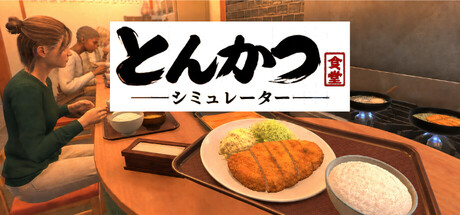
Tonkatsu Diner Simulator scores 78/100 — better than 79% of Simulation capsules (n=5,188).

Quick text summary

Tonkatsu Diner Simulator scored 78/100 on Steam Analyzer — Good for a Simulation capsule. Top priority fix: [uniqueness_polish] Add a distinctive visual element such as a signature character, iconic restaurant sign, or unique cooking action that differentiates this tonkatsu sim from generic restaurant management games.

Capsule scores by dimension

  • Genre Clarity: 8/10 — Restaurant sim management clear. The tonkatsu dish on a plate, chef's hat logo, and warm kitchen interior immediately signal a cooking/restaurant management sim. At TINY size, the golden-brown tonkatsu cutlets and plated presentation remain the focal point and clearly communicate food service gameplay. The genre reads as management simulation without ambiguity.
  • Title Readability: 9/10 — Bold, clean, highly legible. The title uses thick, outlined yellow and blue letterforms with strong contrast against the warm kitchen background. 'Tonkatsu Diner Simulator' remains fully readable at SMALL and TINY sizes due to generous stroke weight and strategic placement in the upper-middle area. The chef's hat icon adds visual reinforcement without cluttering the text.
  • Contrast & Color: 8/10 — Warm palette pops well. The golden-brown tonkatsu, bright yellow text, and blue accent create strong value separation against the warm beige kitchen background. The plated food has clear silhouette definition and the yellow title cuts through effectively even at TINY size. Against the Steam dark background, the warm palette reads as cohesive and distinct without muddy mid-tones.
  • Uniqueness & Polish: 7/10 — Charming, competent, somewhat generic. The capsule has clean craft with intentional typography and a charming hand-drawn aesthetic that matches the game's casual simulator tone. The tonkatsu presentation is appetizing and well-rendered, but the overall composition follows predictable restaurant sim conventions seen in similar titles like Supermarket Simulator or Taxi Life. There is no standout mechanical hook or distinctive visual signature beyond competent execution.
  • Brand Consistency: 7/10 — Warm, friendly, restaurant-focused. The warm yellow-orange palette, chef's hat icon, and tonkatsu-specific food item create recognizable brand identity cues consistent with a Japanese restaurant theme. Internal cohesion is strong: the kitchen setting, plated dish, and casual art style align well together. However, the identity is not as iconic or immediately memorable as top-tier simulators; it reads as 'a tonkatsu restaurant' but lacks a signature motif that would stand out in a crowded genre.
  • Composition: 8/10 — Clear hierarchy, strong focal point. The plated tonkatsu is the dominant centerpiece at full and small sizes, with the title anchored above in a balanced composition. The kitchen background provides supporting context without competing for attention, and safe margins protect key elements from edge cropping. At TINY size, the dish and title remain the clear primary subjects with no clutter or scattered focal points.

What works

  • Title legibility at all sizes. Yellow and blue bold letterforms with white outline maintain readability from full header down to tiny thumbnail without loss of recognition.
  • Appetizing food presentation. The tonkatsu on the plate is well-lit, golden-brown, and visually appealing, reinforcing the restaurant management fantasy effectively.
  • Strong genre communication. Chef's hat, kitchen interior, and food-focused composition immediately signal cooking and restaurant sim without ambiguity or mixed messaging.
  • Good contrast against dark background. Warm beige kitchen tones and yellow title text pop effectively against the Steam dark theme without murky blending.

What hurts the capsule

  • Generic simulator presentation. The capsule follows predictable restaurant sim design conventions with no distinctive visual hook or memorable identity signature.
  • Minimal narrative or mechanical cue. The image shows a finished dish and interface but does not communicate the core appeal of tonkatsu-specific cooking or business growth progression.
  • Common asset aesthetic. The kitchen interior and food rendering, while clean, carry a stock simulator vibe similar to many other management titles without standout art direction.

Priority fixes

  1. [uniqueness_polish] Add a distinctive visual element such as a signature character, iconic restaurant sign, or unique cooking action that differentiates this tonkatsu sim from generic restaurant management games.
  2. [brand_consistency] Introduce a recognizable brand motif or color accent (e.g., a restaurant logo, banner, or signature UI element) that can be consistently applied across future marketing and create instant recall.
  3. [composition] Consider layering more gameplay context such as a customer silhouette, ingredient prep area, or restaurant counter in the background to hint at the management depth and daily operations loop.

Store copy priority fixes

  1. [hook_strength] Rewrite the short description opening to lead with an action or aspiration verb: 'Fry perfect tonkatsu and transform a struggling diner into the town's most loved restaurant' instead of 'You are the owner of a small tonkatsu restaurant.'
  2. [uniqueness] Add 1–2 sentences explaining what makes this tonkatsu sim distinct—e.g., deep frying mechanics, authentic tonkatsu preparation, or a specific progression fantasy that sets it apart from generic restaurant management games.
  3. [audience_targeting] Include explicit signals about pacing and player type—clarify whether this is relaxing/casual, challenging, or story-driven, and who will most enjoy it.
  4. [tone_match] Inject personality into the copy by referencing tonkatsu culture, the satisfaction of a perfect fry, or the pride of running a family establishment, moving beyond generic management language.

Related guides

Steam app ID: 4619700 · Tags: Simulation, Cooking, Singleplayer, 3D, Realistic