Scoring genre clarity...
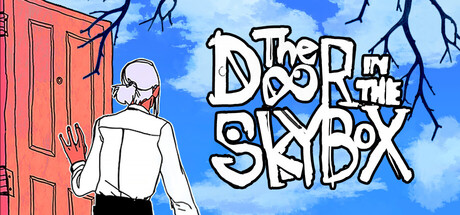
The Door in The Skybox capsule

The Door in The Skybox

“The Door in The Skybox” is a third-person puzzle game about manipulating door frames to connect fragmented spaces. Featuring a surreal, dreamlike style inspired by 19th–20th century art, the game spans fifteen levels, each with a distinct visual identity.

Free to PlayPositive(11)
CasualPuzzleLogic
4a.m. to bedMay 12, 2026

The Door in The Skybox scores 68/100 — better than 18% of Casual capsules (n=10,153).

Positive (11 reviews) · Free to Play · Released May 12, 2026 · By 4a.m. to bed

Quick text summary

The Door in The Skybox scored 68/100 on Steam Analyzer — Solid for a Casual capsule. Top priority fix: [title_readability] Simplify or enlarge title typography and reduce character spacing to maintain legibility at 120x45 without serif fine-detail loss.

Capsule scores by dimension

  • Genre Clarity: 7/10 — Puzzle game with surreal atmosphere clear. The figure interacting with a red door and the fragmented skybox composition clearly signal a puzzle game with environmental manipulation. At tiny size, the door and character silhouette remain readable enough to suggest puzzle/exploration gameplay, though the surreal art style doesn't immediately scream "door mechanics" without context. The dreamlike quality is apparent but genre specificity relies more on the door prop than abstract puzzle iconography.
  • Title Readability: 6/10 — Readable at full, struggles at tiny. The title 'The Door in The Skybox' uses a bold, outlined white serif font with strong contrast against the blue sky background at full size. At small (231x87) and tiny (120x45) sizes, the letters remain distinguishable but the word spacing and serif detail collapse slightly, making it harder to parse as a complete phrase in quick scroll. The outline prevents total illegibility but fine letterforms weaken at thumbnail scale.
  • Contrast & Color: 8/10 — Strong value separation, clean silhouettes. The red door pops sharply against the blue sky gradient, creating excellent value contrast on Steam's dark background. The white character figure reads cleanly in silhouette, and the branching dark elements in the upper corners add depth layering. In grayscale, the composition maintains clear separation between all major elements, ensuring strong discoverability at tiny size even under quick scroll.
  • Uniqueness & Polish: 7/10 — Distinctive art style, somewhat generic composition. The surreal, hand-drawn aesthetic with 19th–20th century art inspiration creates a memorable visual voice that stands apart from typical indie puzzle templates. The color palette and sketch quality feel intentional and polished. However, the composition—figure-at-door with sky background—reads as a fairly conventional scene setup; the uniqueness comes more from art direction than from a bold visual hook that communicates the core mechanic.
  • Brand Consistency: 6/10 — Cohesive art style, limited identity anchors. The linework, color palette (cream, red, blue, black), and surreal tone are internally consistent and appear recognizable across the 8 store screenshots referenced. However, there are no iconic symbols, recurring character traits, or distinctive motifs that would make the brand instantly memorable on repeat exposure. The style is cohesive but generic enough that it could fit multiple indie games without immediate recognition.
  • Composition: 7/10 — Clear focal hierarchy, balanced framing. The red door and character occupy the left-center focal point while the sky and branching motifs fill the upper right, creating good balance and depth layering. The title integrates smoothly into the upper sky area without blocking key visuals. At tiny size, the door and figure remain the clear primary subject, though some fine detail in the branches reads as noise. Safe margins appear respected for Steam cropping.

What works

  • Bold color contrast against dark background. Red door and blue sky create excellent value separation that pops on Steam's dark UI and reads cleanly even at thumbnail scale.
  • Distinctive surreal art direction. The hand-drawn, dreamlike style with 19th–20th century art inspiration feels intentional and polished compared to generic indie puzzle templates.
  • Strong focal hierarchy and composition. The character-at-door arrangement creates a clear primary subject with good balance and depth layering that guides the eye effectively.

What hurts the capsule

  • Title detail loss at tiny size. Serif letterforms and word spacing collapse at 120x45 thumbnail scale, making the full phrase harder to parse in quick scroll despite adequate contrast.
  • Limited visual brand identity anchors. No iconic character, symbol, or signature motif emerges to make the brand instantly recognizable on repeated exposure across the storefront.
  • Generic scene composition. While well-executed, the figure-at-door-with-sky setup is a conventional visual hook that doesn't communicate the unique door-frame mechanic beyond the prop itself.

Priority fixes

  1. [title_readability] Simplify or enlarge title typography and reduce character spacing to maintain legibility at 120x45 without serif fine-detail loss.
  2. [genre_clarity] Add a subtle visual cue (eg. overlapping geometric door frames, fractured plane edges) to hint at the core door-manipulation mechanic more explicitly.
  3. [uniqueness_polish] Introduce a signature recurring symbol or character trait (eg. a distinctly styled protagonist, architectural motif) to anchor brand memory across campaigns.

Store copy priority fixes

  1. [hook_strength] Rewrite the short description opening to lead with the emotional or experiential payoff: 'Reassemble reality itself: manipulate door frames to solve spatial puzzles in a dreamlike world inspired by surrealist art' rather than stating the mechanic first.
  2. [audience_targeting] Add a clarifying sentence in the detailed description: 'Perfect for players seeking puzzle-solving relaxation without time pressure' or similar, to signal the intended audience beyond art enthusiasts.
  3. [feature_communication] Expand on progression and puzzle variety: mention whether mechanics evolve across levels or if visual style shifts correlate with difficulty changes to help players anticipate the experience.

Related guides

Steam app ID: 4629680 · Tags: Casual, Puzzle, Logic, Funny, Surreal