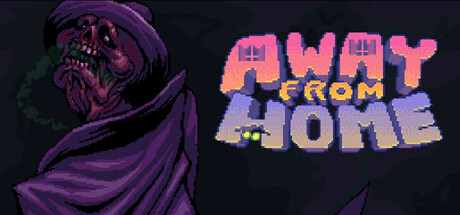
Away From Home scores 73/100 — better than 62% of RPG capsules (n=3,544).

Quick text summary

Away From Home scored 73/100 on Steam Analyzer — Good for a RPG capsule. Top priority fix: [genre_clarity] Add a subtle visual cue that hints at the rhythm mechanic—such as musical notes, a beat indicator, or a dynamic pose suggesting musicality—to differentiate from standard RPG capsules.

Capsule scores by dimension

  • Genre Clarity: 7/10 — Pixel RPG with rhythm elements clear. The pixelated art style and colorful character on the left immediately signal indie RPG, while the vibrant magenta/pink title suggests a playful, non-serious tone that aligns with rhythm-based gameplay. At tiny size, the character silhouette and pixel aesthetic still read as RPG, though the rhythm mechanic itself is not visually obvious from the imagery alone.
  • Title Readability: 8/10 — Bold, legible pixel title stands strong. The 'AWAY FROM HOME' title uses thick, chunky pixel letterforms in bright magenta with yellow/tan shadow effect that create strong contrast against the dark blue background. The title remains readable at small and tiny sizes due to large letterforms and high saturation, though the shadow detail becomes less distinct at tiny scale.
  • Contrast & Color: 8/10 — Excellent value separation and saturation. The bright magenta title pops dramatically against the #1b2838 background, while the purple-tinted character on the left maintains silhouette clarity through tonal variation in the cloak and face. In grayscale, the mid-tone character reads cleanly against the dark background, and the light-value title remains strong, creating excellent overall contrast for quick recognition.
  • Uniqueness & Polish: 7/10 — Polished pixel art with cohesive style. The capsule features clean, expressive pixel art animation on the character and intentional typography with shadow effects that feel deliberately crafted rather than generic. However, the composition is relatively straightforward—a character pose with title overlay—which is competent but not particularly distinctive compared to other indie RPG capsules that also feature pixel art and character focus.
  • Brand Consistency: 7/10 — Recognizable pixel art and color palette. The purple/magenta color scheme and detailed pixel character art establish an identifiable visual identity that could be recognized in store screenshots. The expressive character animation and vibrant palette are consistent with indie RPG branding, though without a logo, mascot, or unique symbol beyond the pixel style itself, the brand identity is somewhat reliant on the generic 'pixel indie' visual language.
  • Composition: 7/10 — Balanced layout with clear focal points. The character occupies the left side with strong visual weight, the title anchors the right and center, and the dark background provides breathing room without clutter. The layout remains readable at small sizes, though at tiny size the character detail collapses slightly and the composition feels tight; the safe margins are adequate but not generous, and important elements avoid edge cropping.

What works

  • Strong title contrast and readability. Magenta pixel title with yellow shadow creates excellent value separation against dark background and remains legible even at tiny thumbnail size.
  • Cohesive pixel art aesthetic. Expressive, well-rendered character animation and intentional visual polish signal a carefully crafted indie product rather than a template or asset-flip.
  • Clear genre signaling through visuals. Pixel art style, character pose, and colorful palette immediately communicate indie RPG genre expectations at quick glance.

What hurts the capsule

  • Rhythm gameplay mechanic not visually evident. The capsule does not communicate the rhythm-based core mechanic; a player unfamiliar with the game would assume standard RPG rather than rhythm-action hybrid.
  • Generic indie character composition. Character + title layout is competent but follows a common pattern in pixel art games, lacking a unique hook or memorable visual storytelling element that distinguishes it from peers.
  • Limited brand identity anchors. No logo, mascot icon, or unique symbol beyond the pixel art style itself; the visual identity relies heavily on the generic 'indie pixel RPG' aesthetic rather than distinctive branding.

Priority fixes

  1. [genre_clarity] Add a subtle visual cue that hints at the rhythm mechanic—such as musical notes, a beat indicator, or a dynamic pose suggesting musicality—to differentiate from standard RPG capsules.
  2. [uniqueness_polish] Introduce a recognizable brand symbol or UI element (logo, icon, or signature motif) that appears consistently across promotional materials to build memorable identity beyond pixel art alone.
  3. [composition] Consider a secondary element or environmental detail in the background that reinforces the game's unique world or 'Away From Home' narrative hook rather than generic dark void.

Store copy priority fixes

  1. [hook_strength] Rewrite the short description to lead with 'Blend Earthbound-style exploration with real-time rhythm battles' and emphasize player choice affecting the world, moving the hook from passive aesthetic appeal to active agency.
  2. [feature_communication] Restructure the detailed description with a bullet-point or numbered section early on listing core mechanics: overworld exploration, rhythm-based battles, item planning, side quest progression, and story branching.
  3. [audience_targeting] Add a sentence clarifying intended audience, such as 'For players who love story-rich JRPGs and want a fresh rhythm-action hybrid experience' or explicitly mention difficulty/pacing to set expectations.
  4. [genre_clarity] In the short description, explicitly mention 'rhythm-based battles' alongside RPG to signal the hybrid gameplay loop earlier, so readers know this is not a traditional turn-based game.

Related guides

Steam app ID: 1631980 · Tags: RPG, Indie, Story Rich, Rhythm, Strategy